.png)
.png) 1 hour ago
17
1 hour ago
17
5 min readMumbaiMar 27, 2026 11:21 PM IST
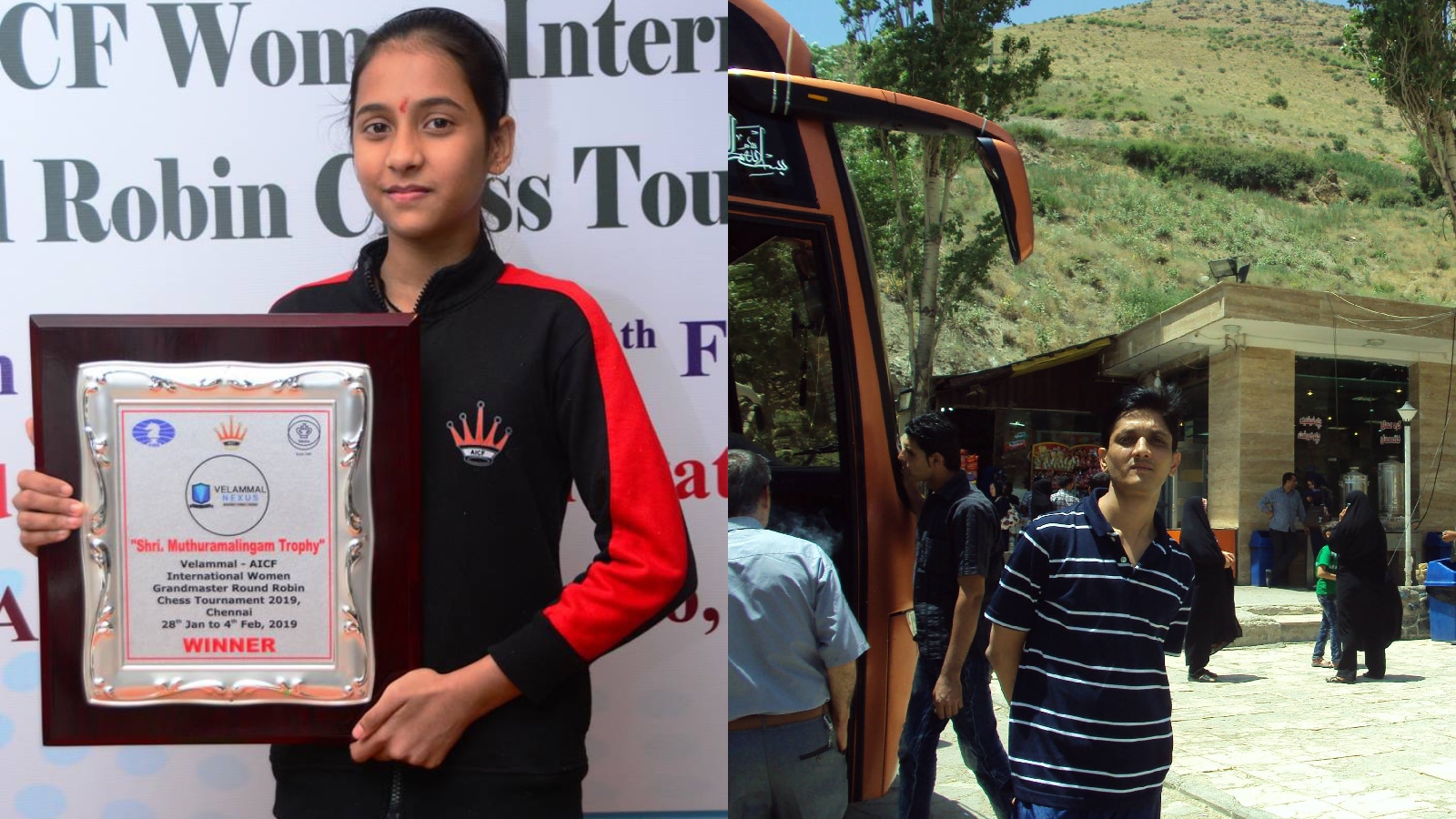 Divya Deshmukh, as a 13-year-old Woman International Master, holds the winner's trophy after winning the Velammal – AICF Women International Grandmaster Round Robin Chess tournament in 2019. (Photo: AICF); An undated photo of chess coach Rahul Joshi. (Photo: Rahul Joshi's Facebook page)
Divya Deshmukh remembers a moment from her early chess days very vividly. She was barely seven and had moved her first chess piece just three years ago. She was just about getting to know about chess at the national level.
But her coach at the time, Rahul Joshi, demanded more. He had bigger ambitions for the girl. Joshi put a piece of paper in front of the young Divya and told her to sign it. On it was written, ‘I’ll become a grandmaster by the age of 15.”
Even though Divya was the one who signs it, the paper is Joshi’s declaration of his belief in her potential. At the time, India had fewer than 30 grandmasters, only two of them women.
When Divya eventually became a grandmaster – four years later than she had signed up for — by winning the FIDE Women’s World Cup last year, Joshi wasn’t there to savour the moment, having passed away a few years earlier.
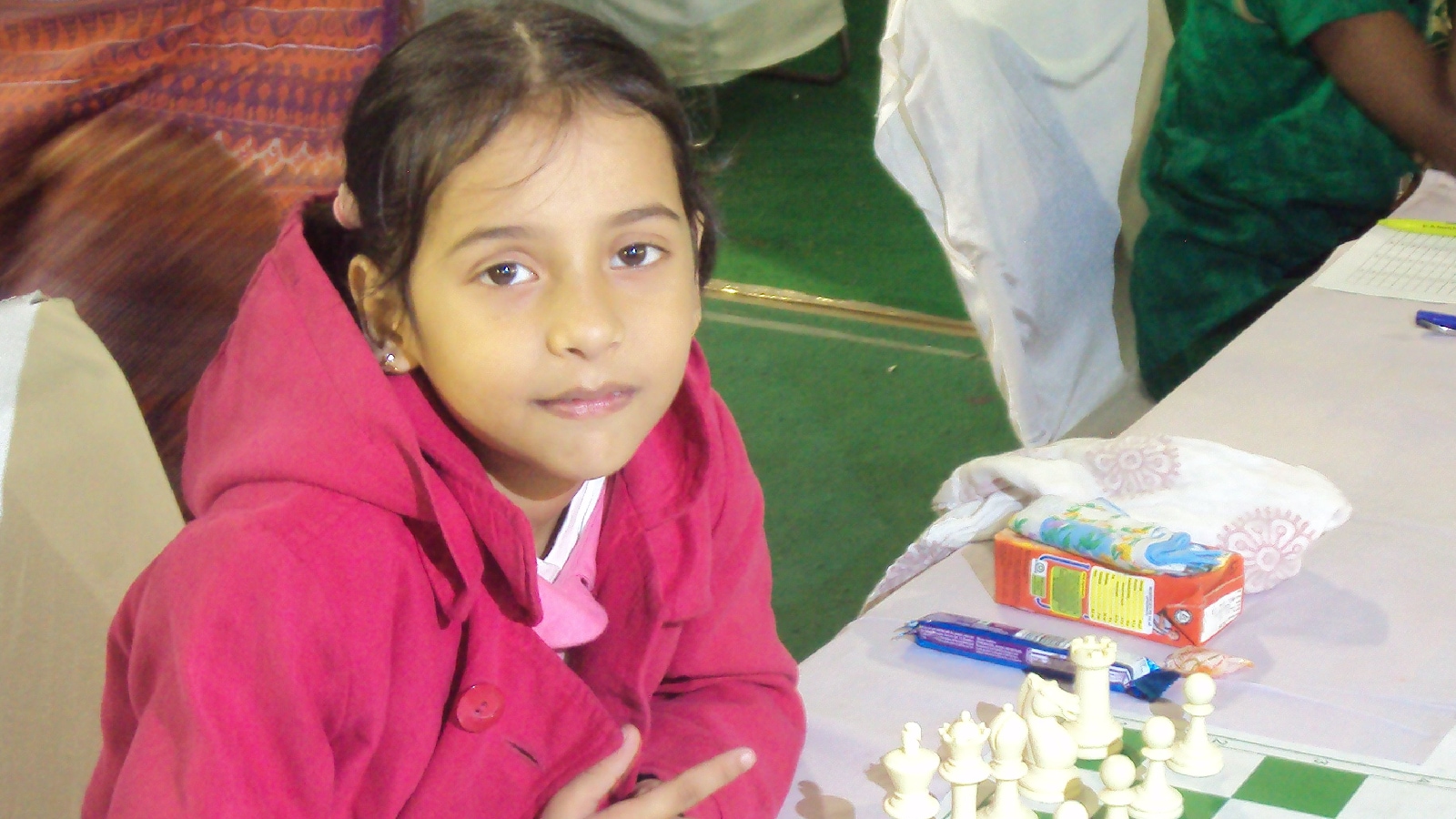 A young Divya Deshmukh during a game. (Photo: Divya Deshmukh/X)
But the World Cup triumph and the grandmaster title was proof that Joshi was right after all. Divya was meant for bigger things. Like the Women’s Candidates tournament, which starts on Sunday in Cyprus with Divya being one of eight contenders battling it out to earn a shot at Women’s World Champion Ju Wenjun.
Too often, when an athlete moves up, they move on from those who shaped them in their formative years. Not Divya. In interviews she did after that World Cup triumph in Georgia, she admitted to feeling a pang of regret that she couldn’t become a grandmaster sooner so that the first true believer in her calibre could bear witness to it. So she repeatedly dedicated her grandmaster title to Joshi. She spoke about his contribution to her career in every interview. And then, at a roadshow in Nagpur to welcome her back from Batumi, she held up a framed photo of Joshi and her to a crowd of hundreds of locals.
“From my childhood, the grandmaster title was something that he knew I was eventually going to achieve. If he was here today, he would have been very happy. He was the guiding force behind my career since the time I was too small to understand,” Divya had told The Indian Express in August last year.
Story continues below this ad
Guide and mentor
Joshi did a lot more than show a young Divya the ways of the chessboard. He guided her rise through the ranks as well, coaching the parents about how things work in the chess world.
“He was the one who pushed me to play at the state championship and then the Nationals. When I won my first Nationals, both my parents and I were not even aware that the Nationals lead to the Asian Championships and those lead to the World Championships. In fact, we didn’t even know that there were events like Asian Championships and World Championships in the sport,” Divya had said.
There are some delightful clips on YouTube of a seven- or eight-year-old Divya’s training at Joshi’s Anand Chess Academy in Nagpur. She’s not the only elite player in those clips, joining her is grandmaster Raunak Sadhwani, who also took his first steps in the sport under Joshi.
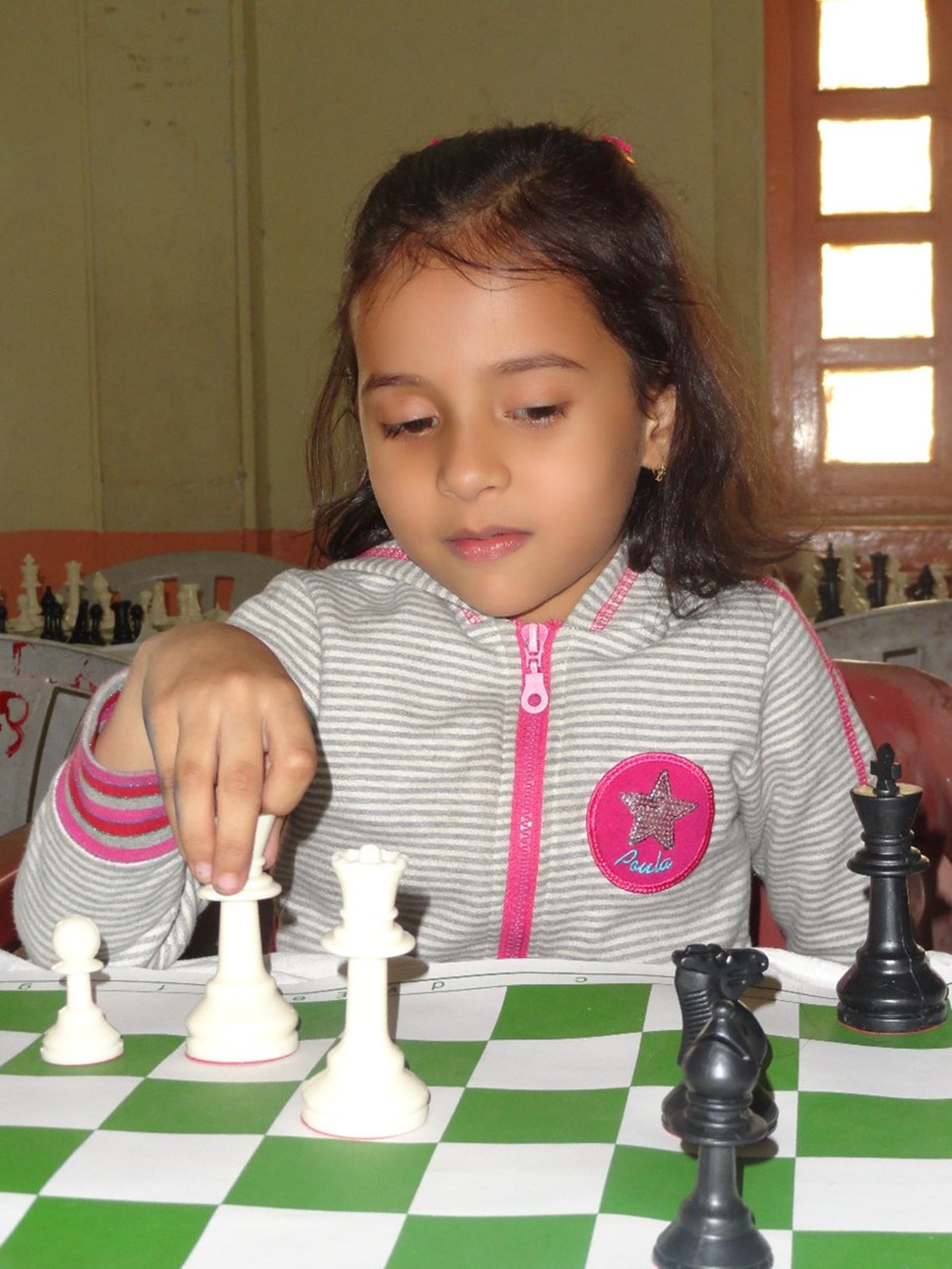 A young Divya Deshmukh during a game. (Photo: Divya Deshmukh/X)
In one of these clips, a young Divya is tasked with being the class monitor as she stands underneath a magnetic chess board on the wall, asking other kids to answer which move is the best one according to the position on the board. At one point, she even gets irritated that the others are not catching on as quickly as she did.
Story continues below this ad
Many of the attributes one sees in Divya were sharpened in those early days when she grew an appetite for fights on the board. At the nerve-wracking crucible of character they call the Candidates, she will walk in as a first-timer. But don’t expect her to get overawed by the pressure of the occasion. Joshi made sure of that early on, because he would keep pushing her to play in age-group tournaments.
“What has helped me the most in my career was playing in age-category events,” Divya had told this paper. “Usually in the last round of these events, it was quite crucial because either you get a medal or you just come fourth or something. So, it was in those events that I learned how to manage my nerves. I always wanted to aim for the gold. I think I got my fighting spirit to never give up from there.”

Amit Kamath is Assistant Editor at The Indian Express and is based in Mumbai. He primarily writes on chess and Olympic sports, and co-hosts the Game Time podcast, a weekly offering from Express Sports. He also writes a weekly chess column, On The Moves. ... Read More
© The Indian Express Pvt Ltd






 English (US) ·