.png)
 1 hour ago
22
1 hour ago
22
Last Updated:February 13, 2026, 14:23 IST
On World Radio Day, discover the story of the refugee composer behind All India Radio’s timeless signature tune that united a nation.

For generations of Indians, the day began with a familiar sound - the gentle hum of the tanpura followed by a lilting violin melody. This was the signature tune of All India Radio (AIR), played just before the morning news bulletin. It wasn’t just music; it was the nation’s wake‑up call, a sound that united millions across cities and villages. On World Radio Day, it’s worth revisiting the fascinating story of the man behind this timeless tune: Walter Kaufmann, a European refugee who found a new home in India and left behind a melody that still resonates. (Image: Canva)
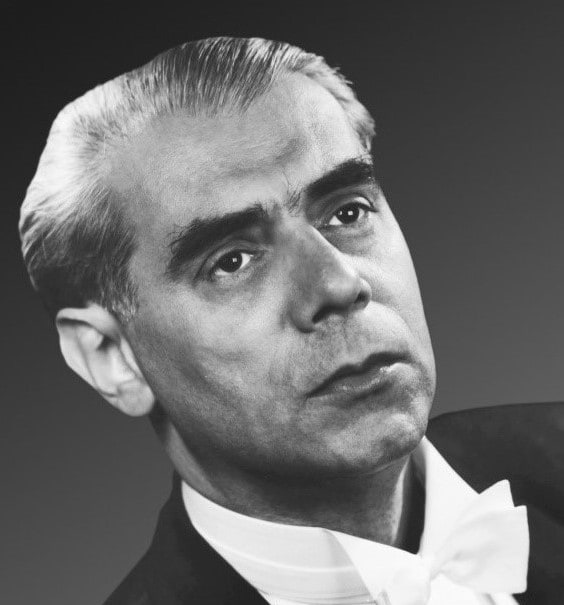
Walter Kaufmann was born in 1907 in Bohemia (then part of Austria‑Hungary). Trained in Prague and Berlin, he fled Nazi persecution in 1934 and arrived in Bombay. In India, he immersed himself in local music traditions, blending his Western classical training with Indian ragas. His deep respect for Indian culture shaped his compositions, including the AIR signature tune. (Image: Facebook)
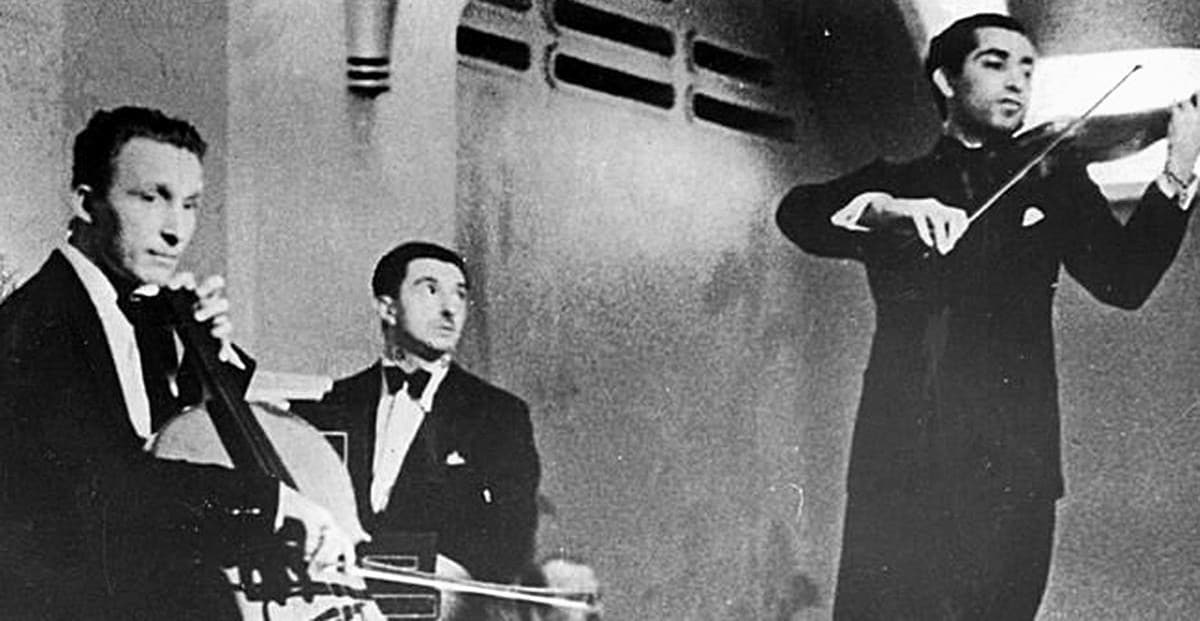
The AIR signature tune is based on Raag Shivaranjini, a raga known for its haunting yet soothing quality. Kaufmann combined the tanpura’s drone with violin, viola, and cello, creating a fusion of Indian and Western elements. The result was a melody that felt both familiar and fresh, bridging cultures and appealing to listeners across generations.
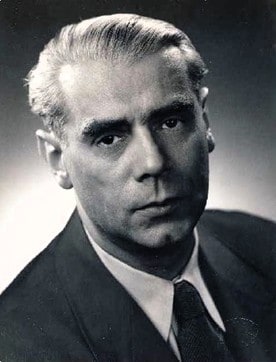
An interesting anecdote: Kaufmann’s journey to India was supported by none other than Albert Einstein, who wrote him a glowing recommendation letter in 1938. This endorsement helped him secure opportunities in Bombay, where he eventually became a music director at All India Radio. It’s a reminder of how global connections shaped India’s cultural landscape.

Every morning at 5:55 am, just before the first news bulletin, radios across India would come alive with Kaufmann’s tune. In an era without television or internet, this melody became the country’s heartbeat. It was more than music; it was a signal that the day had begun, carrying news, songs, and voices into homes nationwide. (Image: Facebook)
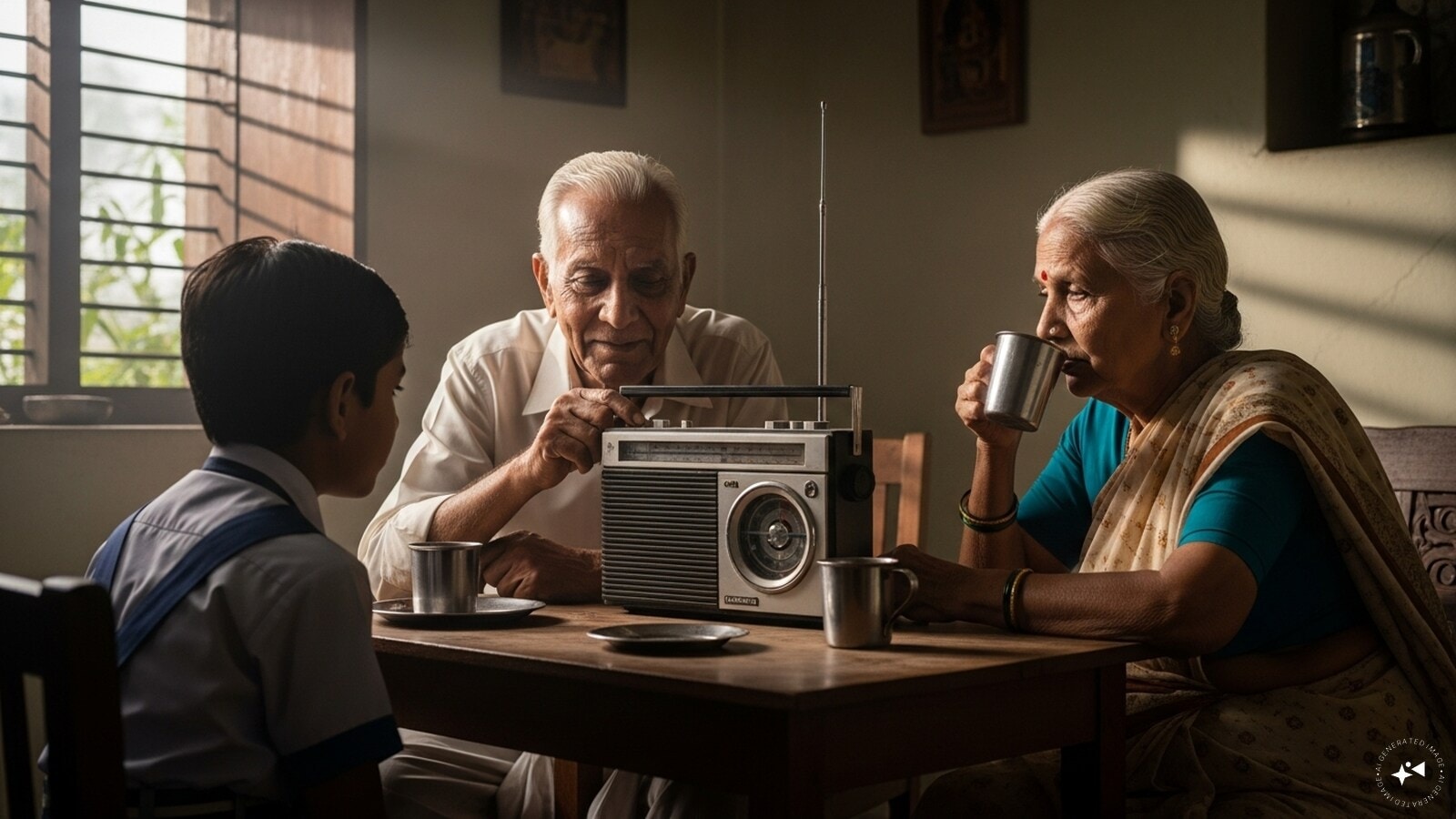
For many, the tune evokes childhood memories; grandparents tuning in for the news, families gathering around the radio, or students listening before school. Even today, the melody sparks nostalgia, reminding us of simpler times when radio was the primary link to the world. (Image: AI-Generated)
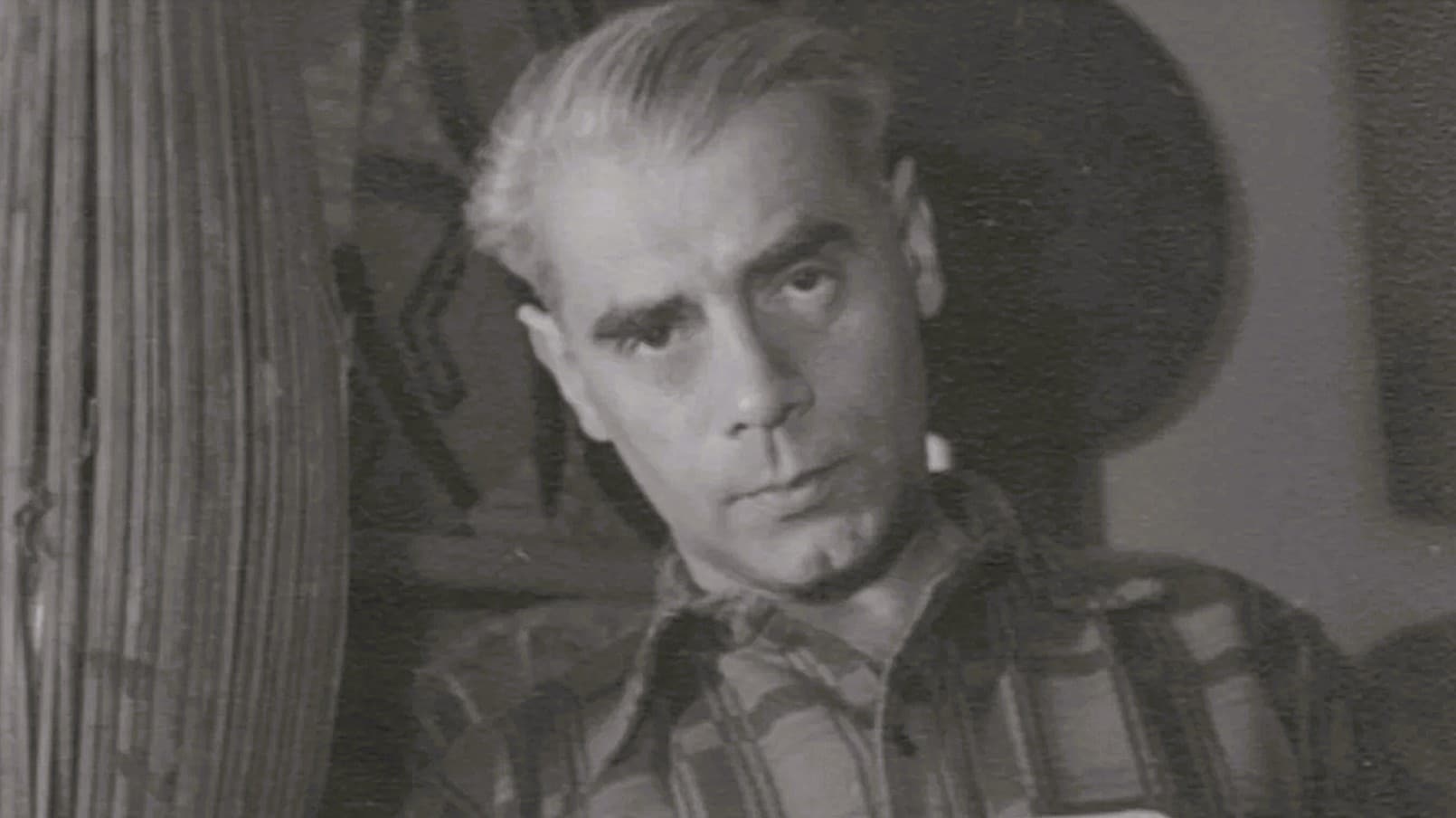
The tune’s enduring charm lies in its fusion. Kaufmann’s Western orchestration paired with Indian classical roots created something uniquely Indian yet globally resonant. It symbolized India’s openness to cultural exchange and innovation during a transformative era.
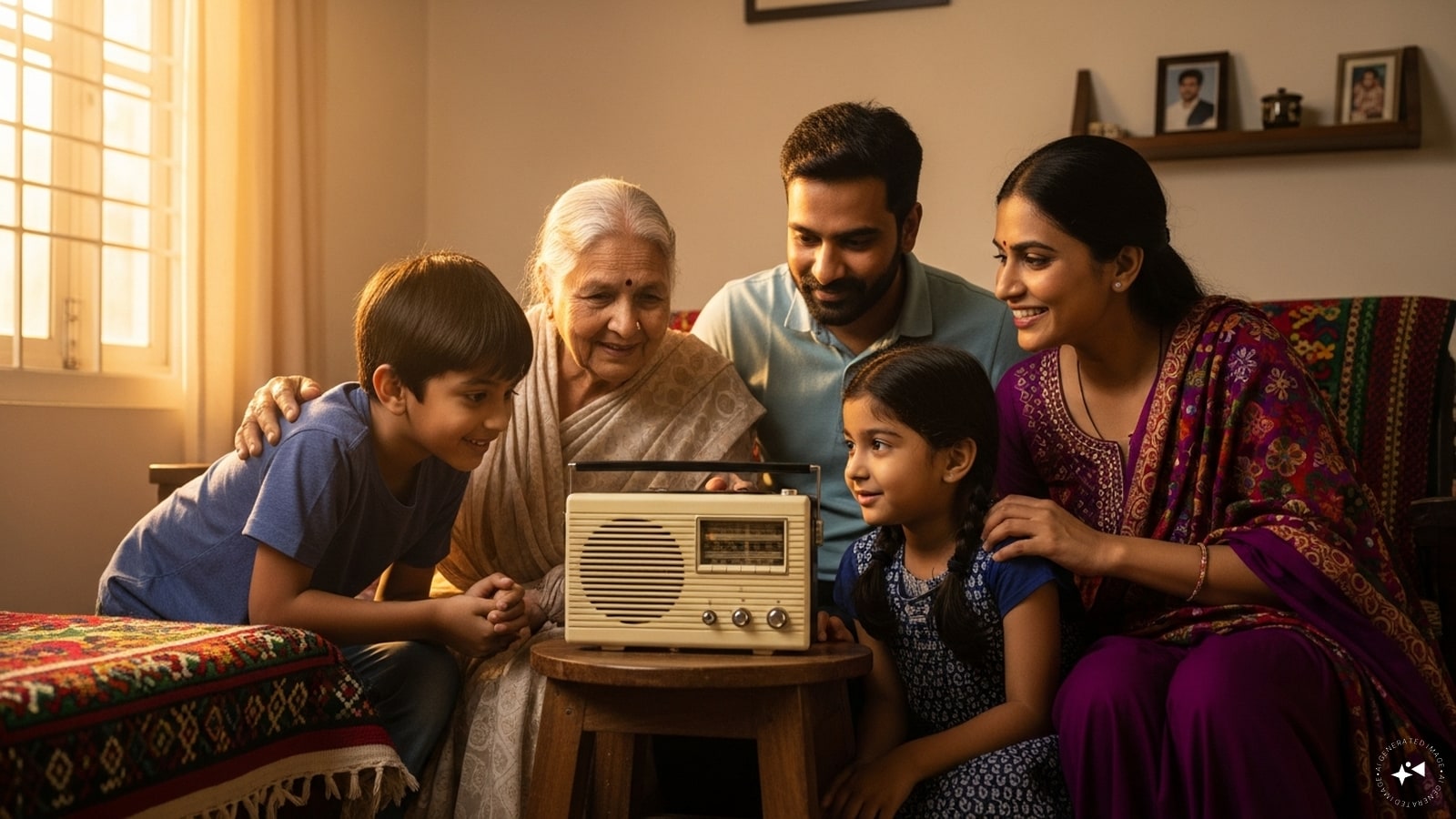
Though Kaufmann eventually moved to London, Canada, and later the U.S., his contribution to Indian music remained significant. He composed for films, collaborated with Indian musicians, and documented Indian musical traditions. But the AIR tune remains his most iconic gift to India. (Image: AI-Generated)
News Photogallery india GK: Do You Know Who Composed The All India Radio Signature Tune?





 English (US) ·