.png)
 1 hour ago
10
1 hour ago
10

India has no plans to ration fuel supplies despite ongoing disruptions in global energy markets, a top oil ministry official said Monday, adding that the country has maintained adequate inventories of crude products and LPG while diversifying imports to manage supply risks.
“There is no need to panic. There are sufficient supplies. There is no rationing in place. It’s not going to happen,” Oil Secretary Neeraj Mittal said at CII’s Annual Business Summit here, noting that India had maintained around 60 days of fuel stocks and about 45 days of LPG inventories during the past 67 days of market disruption.
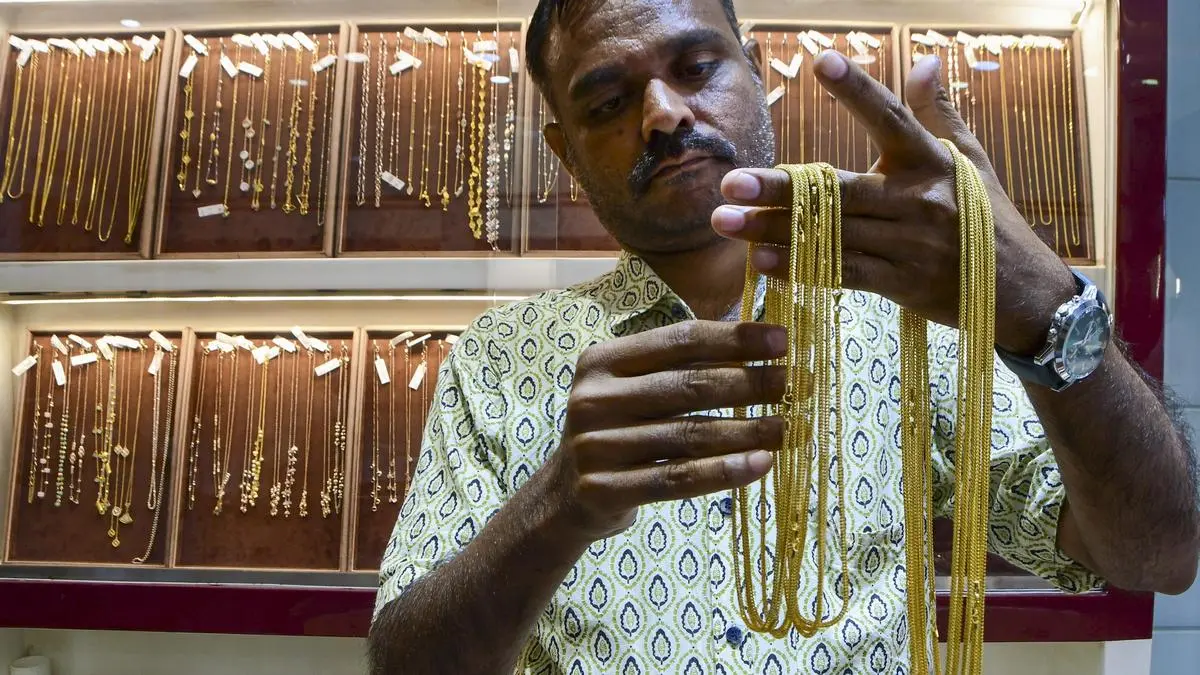
The comments came a day after Prime Minister Narendra Modi urged for fuel conservation and lower imports as surging global energy prices pressure India’s foreign exchange reserves, while also calling for restraint in gold purchases to ease external vulnerabilities.
This was seen by some as preparation of ground for a possible fuel price hike.
Petrol and diesel continues to be sold at two-year-old rates despite international prices shooting up since the West Asia conflict started 10 weeks back. Holding prices despite over 50 per cent rise in input cost has led to oil companies losing Rs 1,000 crore to Rs 1,200 crore - a loss that is now threatening their financial viability.
A top government source however said, “default mode of the government is to keep the prices and supplies stable.
India boosts imports and manages disruptions
Mittal said the government had secured additional energy cargoes, increased procurement from existing suppliers and absorbed part of the price shock through fiscal measures, including excise duty cuts on petrol and diesel.
India, the world’s third-largest oil importer and consumer, was also accelerating efforts to expand domestic exploration, strategic reserves and alternative energy programs including green hydrogen, ethanol blending and sustainable aviation fuel, he said.
“For a country like India which consumes 5 million barrels a day, to have a 90-day reserve would be putting a lot of money in a box without using it at all,” he said, adding that the government was exploring “creative ways” to expand strategic reserves while generating returns on stored crude.
Mittal said the government had spent the past 67 days managing supply disruptions arising from geopolitical conflict and constraints in global energy shipments.
“The constraint has not changed at all. In fact, it is a shade worse,” he said, adding that India had nevertheless managed to get its 14 ships out of the war-hit Strait of Hormuz during the period.
India has maintained around 60 days of fuel stocks and roughly 45 days of LPG inventories throughout the crisis, he said.
“We have procured from other sources. We have procured from other countries. We have increased procurement from existing countries and that has kept us going in terms of supply management in the short run,” he said.
Refining strength cushions supply shocks
The official said India’s large refining base had helped cushion the impact of supply shocks, allowing the country not only to meet domestic demand but also continue exports of refined petroleum products.
He said the government had also undertaken calibrated demand-management measures, including prioritising LPG supplies for household cooking use and allowing 70 per cent industrial LPG supply after industry requests for easing restrictions.
Mittal said nearly 100 per cent digital delivery tracking of LPG cylinders had significantly reduced diversion and black-market sales.
“There is no need to panic. There’s sufficient supplies. There is no rationing in place. It’s not going to happen,” he said.
Strategic reserves and fiscal support under focus
On strategic reserves, Mittal said India was evaluating “creative ways” to expand stockpiles without locking up excessive capital, given the country’s daily oil consumption of about 5 million barrels.
“For a country like India which consumes 5 million barrels a day, to have a 90-day reserve would be putting a lot of money in a box without using it at all,” he said.
He added that the government was exploring commercial partnerships and trading models to ensure strategic crude inventories could also generate returns.
Mittal said the government had absorbed much of the price shock through fiscal measures, including excise duty cuts on petrol and diesel that created a revenue impact of around Rs 1.6 lakh crore.
“Government uses all sorts of tools,” he said, adding that India had remained “a relative oasis of calm” compared with countries that had imposed fuel rationing and stricter demand curbs.
Published on May 11, 2026






 English (US) ·