.png)
 53 minutes ago
14
53 minutes ago
14
Last Updated:May 16, 2026, 11:00 IST
Government documents accessed by News18 show India is preparing multi-basin seismic surveys across the Bay of Bengal to identify potential oil and gas reserves beneath the seabed.


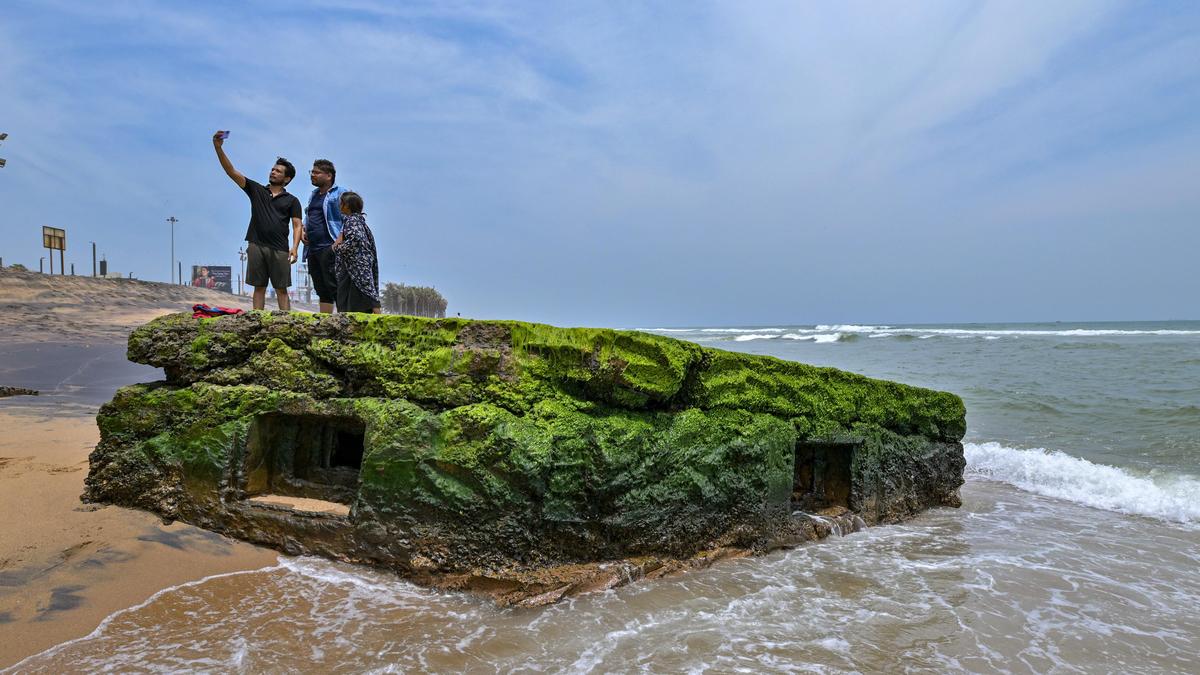
India is quietly preparing for one of its biggest offshore oil-and-gas exploration pushes in recent years. (Representative image)
India is quietly preparing for one of its biggest offshore oil-and-gas exploration pushes in recent years. Survey ships could soon begin crisscrossing thousands of kilometres across the Bay of Bengal, scanning deep beneath the seabed in search of something that could alter India’s energy future — oil and natural gas.
The exercise, planned by the Directorate General of Hydrocarbons, is massive in scale. Government documents accessed by CNN-News18 show that the Modi government is preparing a multi-basin geological survey across the east coast covering the Bengal-Purnea, Mahanadi, Krishna-Godavari, Cauvery and Andaman offshore regions. Bids were floated in this regard on May 14.
In technical language, the project is called “2D Broadband Marine Seismic & Gravity-Magnetic Data Acquisition, Processing and Interpretation". But in simpler terms, India is preparing to conduct a giant underground scan of the ocean floor to identify where commercially viable hydrocarbons may be hidden beneath layers of sediment and rock formed over millions of years.
The scale itself is staggering.
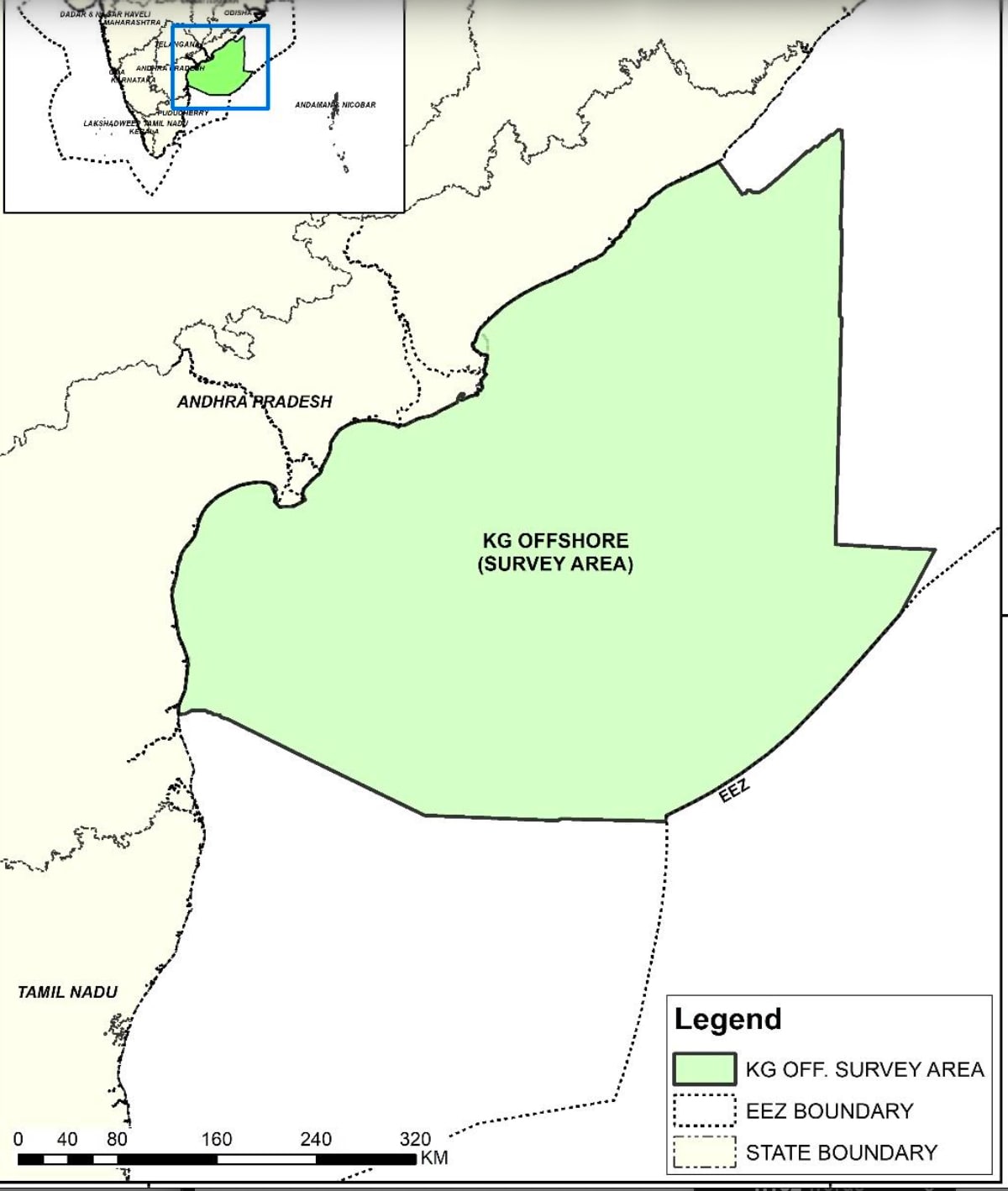
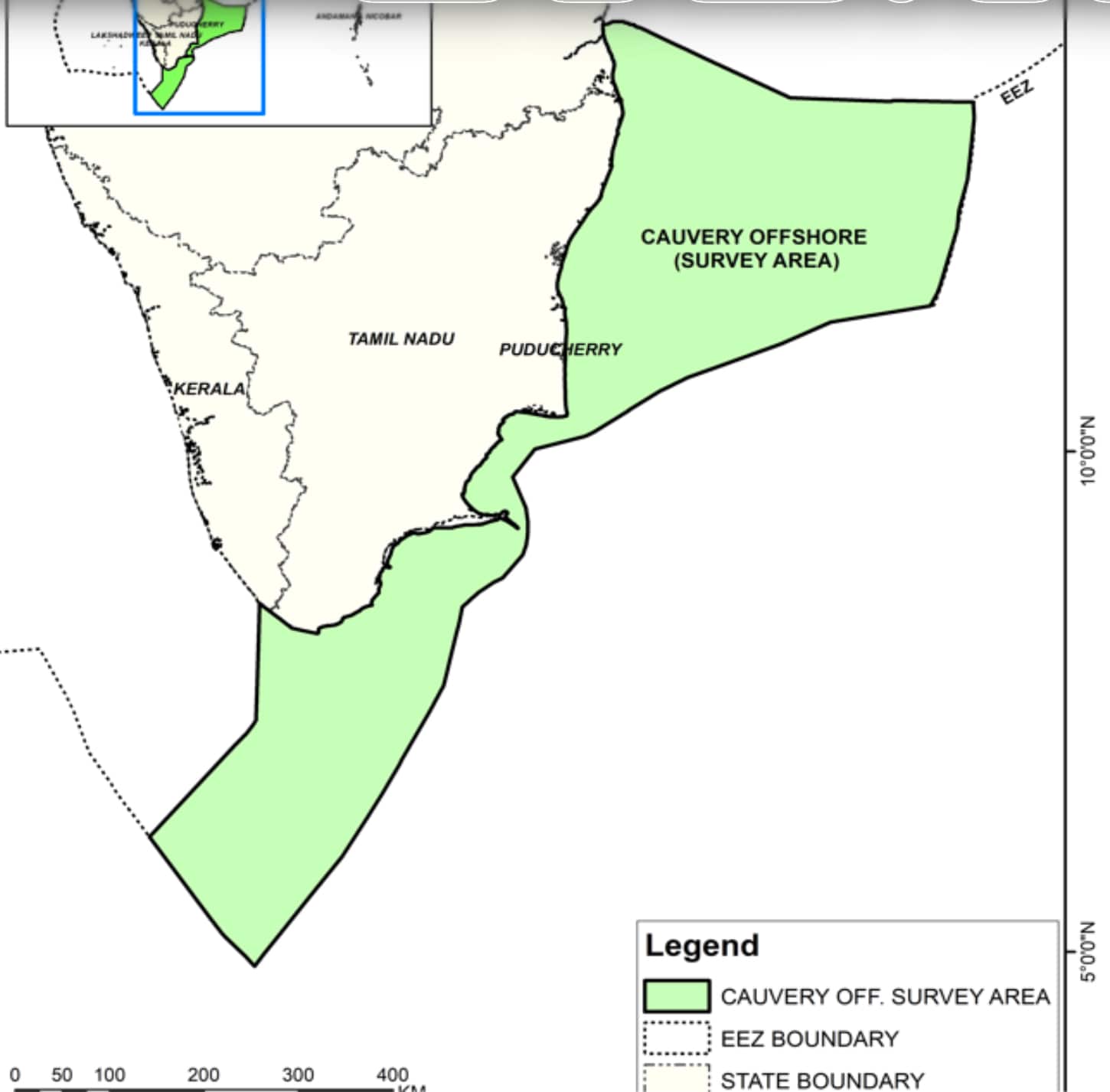
The Bengal-Purnea and Mahanadi survey alone will cover 45,000 line kilometres. The Andaman Basin survey will span another 43,000 line kilometres. Krishna-Godavari will see a 43,000 LKM survey, while the Cauvery Basin will add another 30,000 LKM. Put together, the survey lines stretch into lakhs of kilometres over a period of nearly two years.
To understand why this matters, one only has to look at India’s energy bill.
India imports nearly 85 per cent of its crude oil requirement and a significant portion of its gas needs. Every global conflict, every crude oil shock and every geopolitical crisis directly impacts Indian households, fuel prices and inflation. When wars erupt in West Asia or crude prices spike globally, India pays the price almost immediately. The US-Iran war has again exposed those vulnerabilities.
That dependence is precisely what the government wants to reduce.
Officials involved in the sector say the East Coast still remains vastly underexplored compared to India’s western offshore regions like Mumbai High. Huge stretches of deepwater areas remain geologically promising but inadequately mapped using modern seismic technology.
That is where this new project comes in.
Specialised survey vessels will tow long cable-like instruments called streamers behind them. These streamers send powerful sound waves into the seabed and record the echoes bouncing back from underground rock formations. Scientists then process this data to create detailed images of what lies several kilometres beneath the ocean floor.
The objective is straightforward — to identify structures where oil and gas may be trapped.
The government documents state that the surveys are aimed at understanding the “tectonic setup, basement configuration and depositional pattern" while identifying “structural and stratigraphic hydrocarbon plays and prospects".
In plain language, India wants to know where the next big hydrocarbon discoveries may happen. And the early signs appear promising.
The Bengal Offshore Basin, according to the documents, contains sedimentary layers exceeding 10 kilometres in thickness, with potential hydrocarbon plays stretching from the Eocene era to more recent geological periods. Significant Miocene-age deposits in the east-central region are considered major exploration targets. Gas indications have already been reported in several intervals.
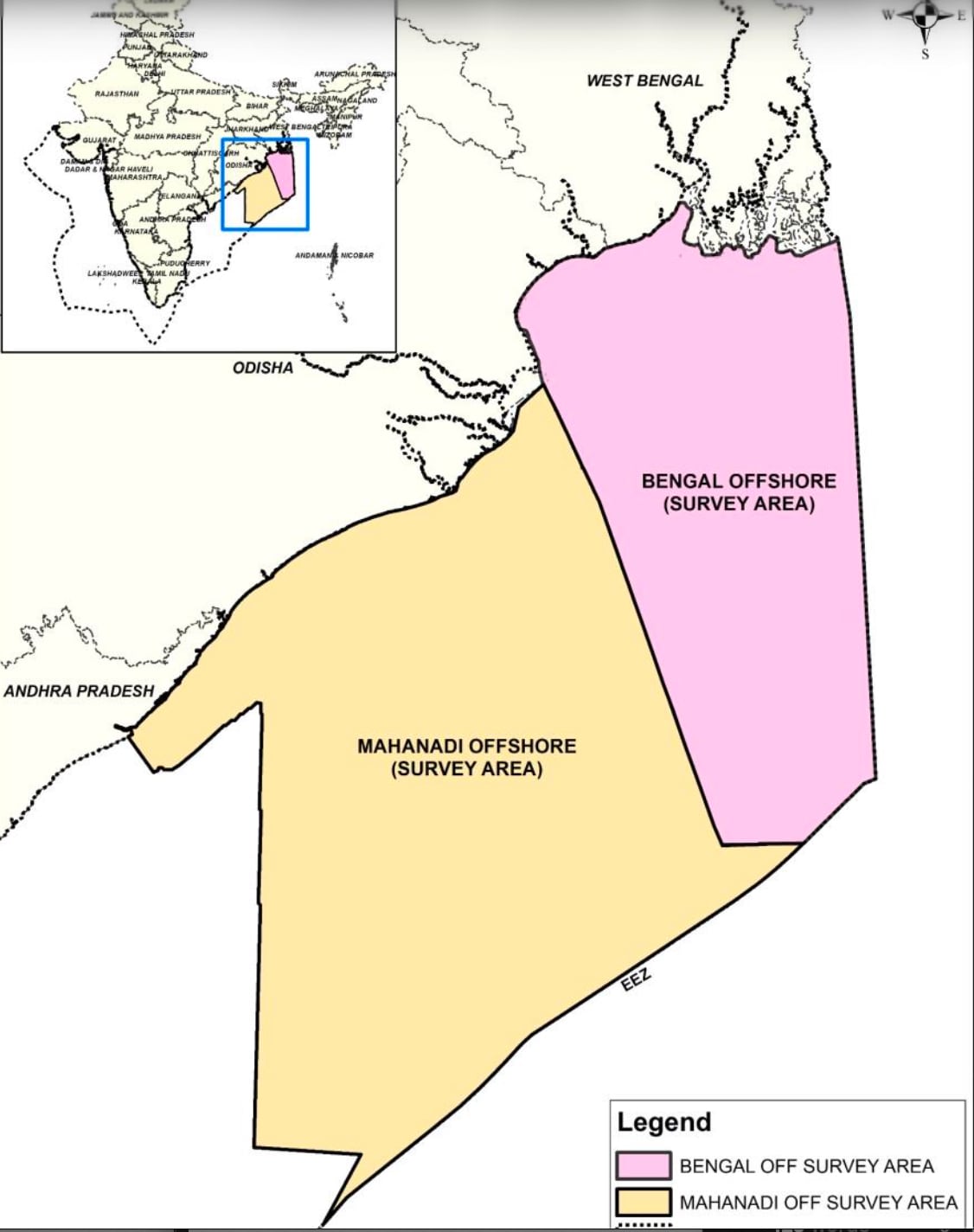
The Mahanadi Basin is also attracting serious attention. Officials describe it as a basin with “potential for commercial production", with multiple hydrocarbon plays from the Pliocene to the Cretaceous period. Deepwater reservoirs and biogenic gas systems are seen as important opportunities.
Perhaps the most strategically interesting region is the Andaman Basin.
Energy experts have long believed that the Andaman offshore region could hold enormous untapped gas reserves because of its geological similarity to producing gas fields in Myanmar and Indonesia. The government papers explicitly mention that the Andaman fore-arc region contains a “significant gas discovery in Miocene" formations analogous to those in neighbouring countries.
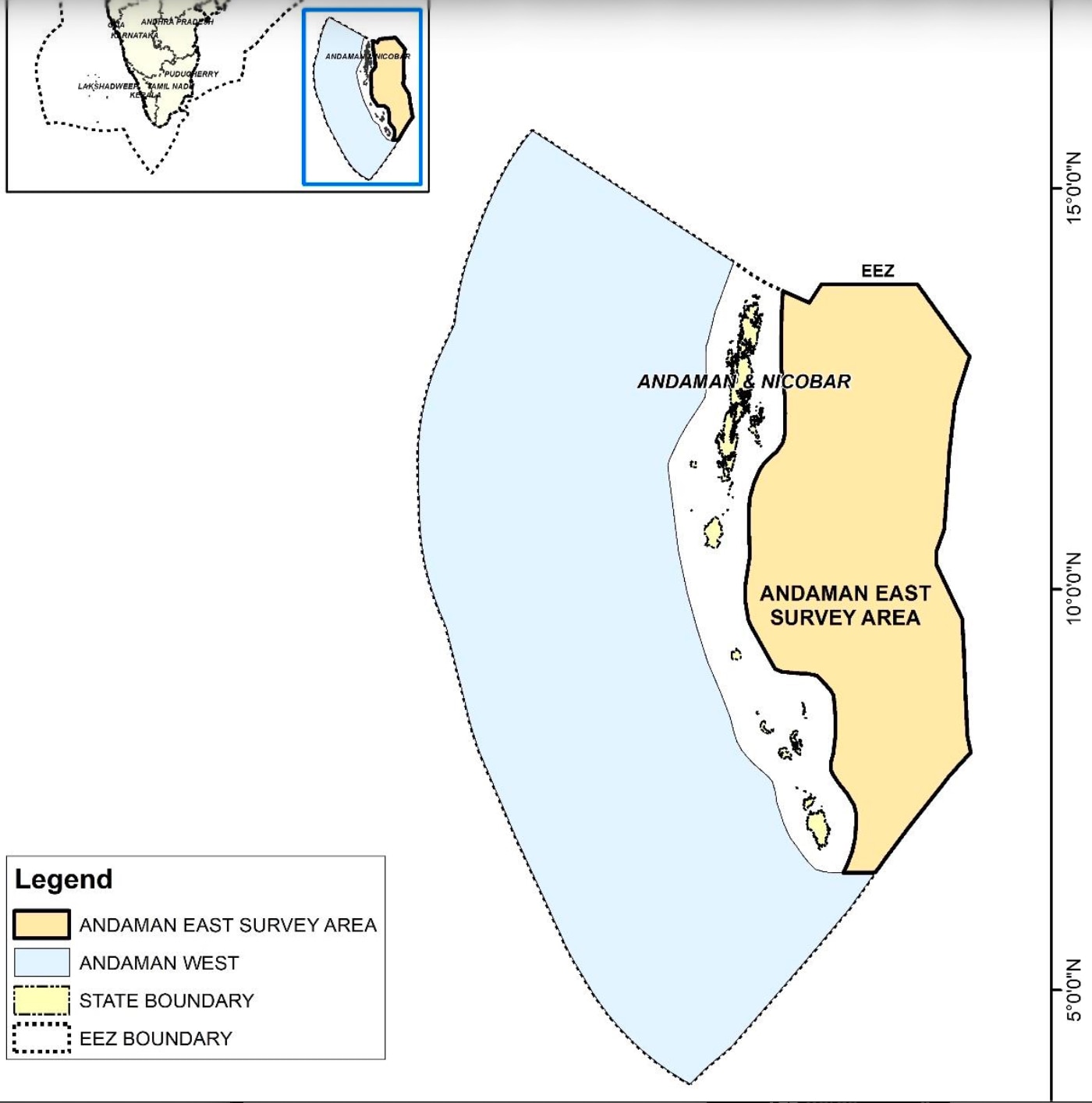
The documents also mention gas hydrates — frozen methane deposits trapped beneath the seabed — which are increasingly being viewed globally as a potential future energy source.
Then comes the Krishna-Godavari Basin, already one of India’s most important gas-producing regions.
The KG Basin has been central to India’s offshore energy story for years, but fresh surveys suggest there could still be substantial undiscovered reserves in deeper sections. The basin hosts deep-water turbidite plays, slope fan systems and syn-rift clastic formations that geologists believe may contain major hydrocarbon accumulations.
The Cauvery Basin, meanwhile, remains one of India’s proven petroliferous basins, with producing horizons extending from fractured basement rocks to Miocene sequences. Yet even here, officials believe substantial undiscovered potential remains in Jurassic and deep offshore plays.
But beyond geology and hydrocarbons, there is a larger strategic message behind the project.
At a time when global energy politics is becoming increasingly volatile, India is trying to secure every possible domestic energy source it can find. The Russia-Ukraine conflict, instability in West Asia and fluctuating crude prices have reinforced the need for long-term energy security planning.
Domestic production gives governments breathing room.
Beneath the waters of the Bay of Bengal, several kilometres below the seabed, the government believes there may still be untapped energy systems waiting to be discovered. The coming surveys are India’s attempt to finally see what lies there.
Handpicked stories, in your inbox
A newsletter with the best of our journalism
News india India’s Biggest Offshore Energy Hunt: Modi Govt To Launch Massive Oil & Gas Survey | Exclusive
Disclaimer: Comments reflect users’ views, not News18’s. Please keep discussions respectful and constructive. Abusive, defamatory, or illegal comments will be removed. News18 may disable any comment at its discretion. By posting, you agree to our Terms of Use and Privacy Policy.
Read More



 English (US) ·