.png)
 2 hours ago
21
2 hours ago
21
The results of Maharashtra’s two-phase local body elections reveal not just the BJP’s expanding footprint, but also the deepening rivalries within the ruling Mahayuti and fresh strategic questions for the Opposition.
The BJP swept the local body elections to nagar panchayats and municipal councils held this month. Results declared on December 21 showed BJP candidates elected as presidents in 117 of the 288 councils and nagar panchayats that went to polls.
Eknath Shinde’s Shiv Sena followed with 53 presidents, while the Ajit Pawar-led NCP retained its traditional bastions, particularly in Pune district and Baramati, winning 37 posts. Among Opposition parties, only the Congress managed to cross double digits.
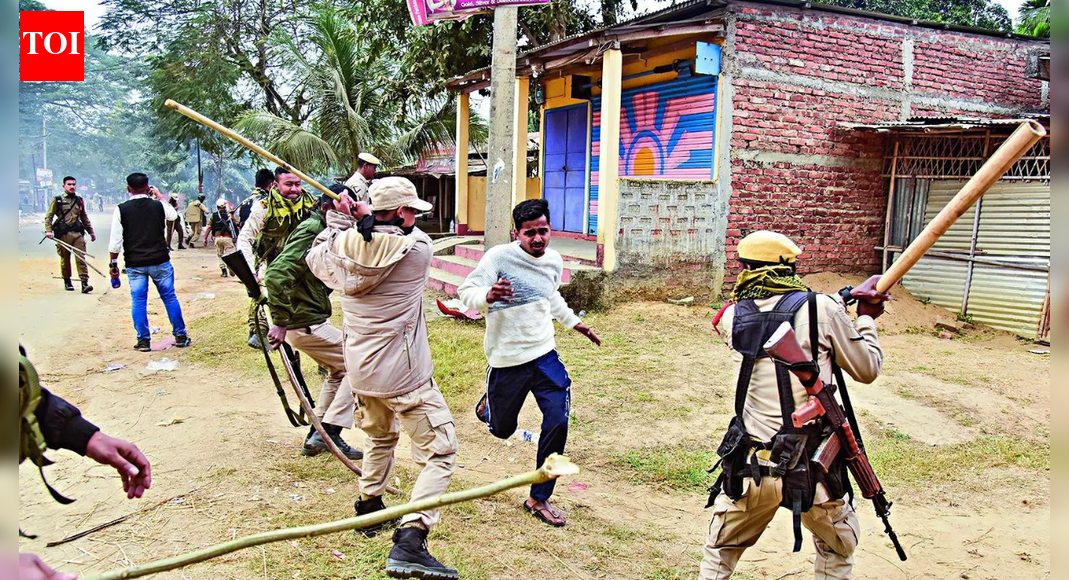
The elections were as notable for untoward incidents as for outcomes. Allegations of fake voters, corruption, and violence surfaced across regions. Mahayuti allies were often seen fighting each other more fiercely than the Opposition. BJP Cabinet Minister Nitesh Rane and Shiv Sena MLA Nilesh Rane, sons of former Union Minister Narayan Rane, engaged in a public feud that spilled onto social media, led to an FIR, and dominated headlines for days.
The BJP-Shiv Sena rivalry played out across the State with both sides attempting to poach local leaders and cadres. The BJP aggressively pushed its ‘Shat Pratishat BhaJaPa’ campaign, even at the cost of denting Shiv Sena’s traditional strongholds in parts of the Mumbai Metropolitan Region (MMR). Mahayuti leaders were repeatedly seen visiting New Delhi to seek Union Home Minister Amit Shah’s intervention, underlining the strain within the alliance.
Friction between the Shiv Sena and Ajit Pawar’s NCP surfaced prominently in Konkan and coastal Maharashtra, where “friendly fights” often turned bitter. Despite the infighting, the Mahayuti partners collectively dominated the results. The BJP, traditionally strong in urban centres, made notable inroads into rural areas and newer regions such as the MMR.
Questions about the BJP’s real strength also emerged. NCP (SP) MP Supriya Sule asked how much of the party’s success rested on its own cadre versus turncoats. BJP leader Sudhir Mungantiwar echoed this concern, highlighting factionalism in Vidarbha, where the party lost ground to Congress.
For Congress, decentralisation proved effective. The party allowed local units to decide alliances, empowering cadres on the ground. As per the State Election Commission, Congress won 28 presidents, though it claims 41 seats including allies. State party chief Harshwardhan Sapkal rejected centralised seat-sharing demands and undertook extensive Statewide tours.
The poor showing of NCP (SP), seven seats, and Shiv Sena (UBT), nine seats, has sparked speculation about Sharad Pawar possibly reconciling with Ajit Pawar. “A Congress leader said that while the Shiv Sena (UBT) was at least seen fighting, the NCP (SP) cadres were “listless and unmotivated”. “The sense was that they were confused. We are ourselves not sure if they want to stay with Maha Vikas Aghadi (MVA) or want to join hands with Ajit Pawar,” a senior leader told The Hindu.
As the third, final and most crucial phase approaches, including polls to 29 municipal corporations such as the BMC, the Mahayuti enters the contest buoyed by momentum, while the Opposition has very little time to learn its lessons.



 English (US) ·