.png)
 3 hours ago
23
3 hours ago
23
3 min readSukmaFeb 8, 2026 05:55 AM IST
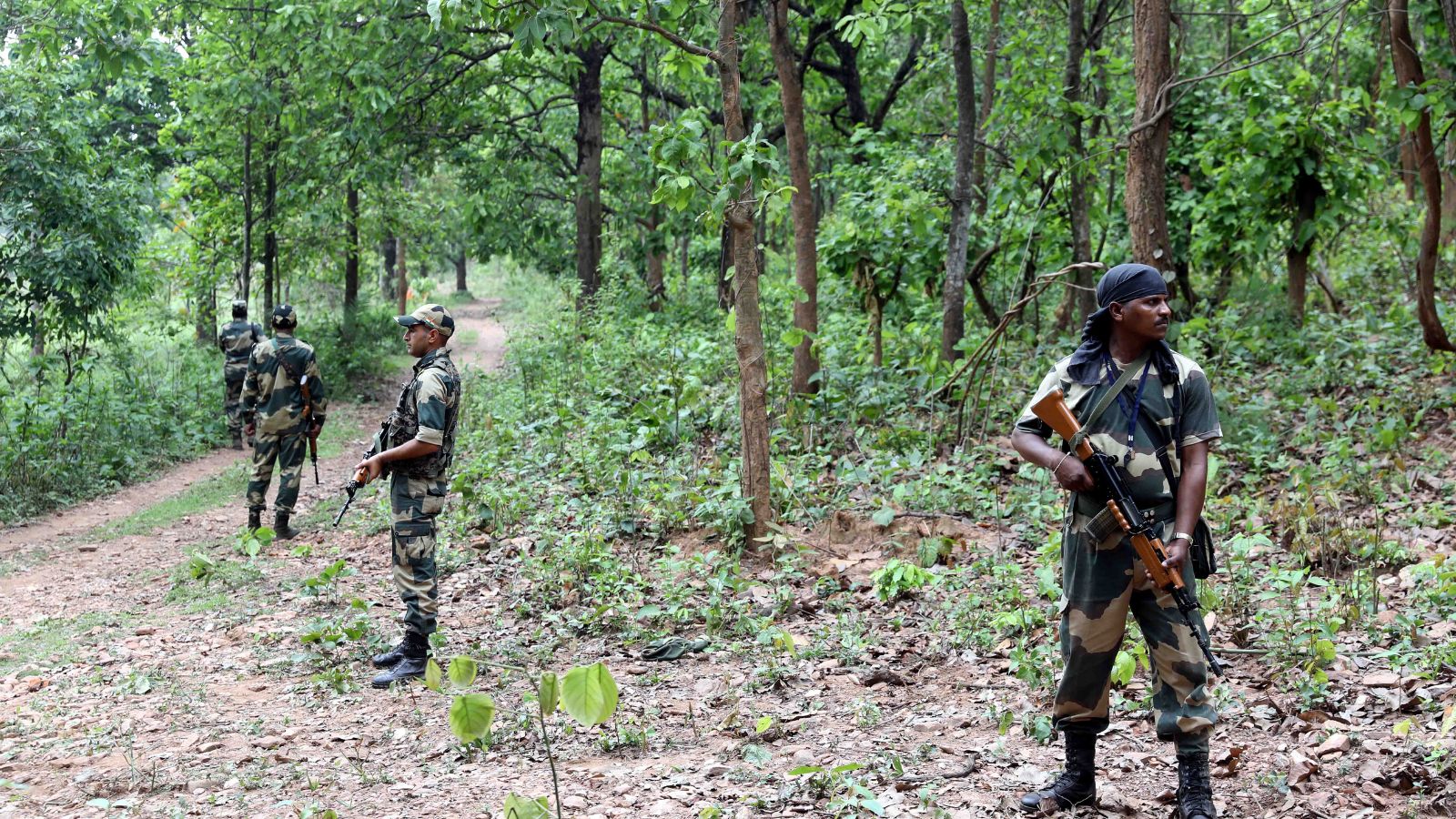 2,400 Maoist cadres have laid down arms in the last two years.
A total of 51 Maoists, including 24 women, carrying a cumulative bounty of Rs 1.61 crore, surrendered in Sukma and Bijapur districts, officials said.
After the surrender, Inspector General of Police for Bastar Range Sundarraj P. said, “Over 2,400 Maoist cadres have left the organisation in the last two years. The administration remains committed to providing all willing cadres with support for a dignified rehabilitation”.
This comes as the central government’s March 2026 deadline for ending the Maoist insurgency looms. Also comes a day after a senior Maoist leader, L Prabhakar Rao, was killed in an encounter in Abujhmad with six others.
In Sukma, 21 cadres, including 14 women, carrying a bounty of Rs 76 lakh, surrendered along with 14 weapons. These included three AK-47 rifles with 120 rounds, two SLR rifles with 40 rounds, INSAS rifles with 50 rounds, five single-shot guns, three Barrel Grenade Launchers (BGLs) with 20 rounds, 10 gelatin sticks, wires, and 20 detonators.
“The local residents helped us to get in touch with the Naxal cadres and facilitate the surrenders. Twelve of the cadres were from Chhattisgarh but were active in Odisha. Barely 20-odd armed cadres are left in Sukma and we appeal to them to return to the mainstream,” said Sukma Superintendent of Police Kiran Chavan.
Bijapur Superintendent of Police (SP) Jitendra Yadav said, “Thirty Maoists, including 20 women, with a cumulative bounty of Rs 85 lakh distanced themselves from the violent ideology and chose the path of peace.”
Each surrendered Maoist will receive Rs 50,000 as immediate financial relief and will also be paid the bounty declared on them. Additional incentives will be provided for surrendered weapons, including Rs 4 lakh for returning an AK-47 rifle.
Story continues below this ad
In 2024, Union Home Minister Amit Shah had set a March 2026 deadline for ending the Maoist insurgency. Although in the last two years the Chhattisgarh Police, along with central forces, have killed or secured the surrender of all senior Maoist leaders, two leaders—Papa Rao, a Dandakaranya Special Zonal Committee (DKSZC) member, and Central Committee member Mallaraji Reddy alias Sangram—are still active.
A continuing concern for the forces is Battalion 1 of the People’s Liberation Guerrilla Army (PLGA), the armed wing of the banned Communist Party of India (Maoist), which remains active despite being broken into smaller formations.
Its longtime commander Madvi Hidma was killed in an encounter in Andhra Pradesh in November last year, while his successor Barse Deva surrendered in Telangana in January this year.

Jayprakash S Naidu is a Principal Correspondent for The Indian Express, currently serving as the state correspondent for Chhattisgarh. With an extensive career in frontline journalism, he reports on the political, security, and humanitarian landscape of Central India. Expertise and Experience Specialized Conflict Reporting: Jayprakash is a leading voice on the Maoist/Naxalite conflict in the Bastar region. His reporting provides a critical, ground-level view of: Internal Security: Tracking high-stakes encounters, surrender programs for senior Maoist leaders, and the establishment of security camps in formerly inaccessible "heartland" villages. Tribal Rights & Displacement: Investigative reporting on the identity and land struggles of thousands of displaced tribals fleeing conflict zones for neighboring states. Governance & Bureaucratic Analysis: He consistently monitors the evolution of Chhattisgarh as it marks 25 years of statehood, covering: Electoral Politics: Analyzing the shift in power between the BJP and Congress and the impact of regional tribal movements. Public Policy: Reporting on landmark infrastructure projects (e.g., mobile connectivity in remote zones) and judicial interventions, such as High Court rulings on civil and family law. Diverse Investigative Background: Prior to his current focus on Chhattisgarh, Jayprakash held reported from Maharashtra, where he specialized in: Crisis & Disaster Management: Notable for his extensive coverage of the Cyclone Tauktae barge tragedy (P-305) and the COVID-19 pandemic’s impact on frontline personnel. Legal & Human Rights: Investigative pieces for platforms like Article-14, focusing on police accountability and custodial deaths across India. Environmental & Social Justice: Authoritative reporting on the Hasdeo Aranya forest protests and the approval of major tiger reserves, highlighting the tension between industrial mining and environmental preservation. ... Read More
Stay updated with the latest - Click here to follow us on Instagram
© The Indian Express Pvt Ltd






 English (US) ·