.png)
.png) 2 hours ago
22
2 hours ago
22
In the practice nets at Premadasa stadium at the T20 World Cup, two ropes lie stretched across the pitch, perfectly aligned with off and leg stump. Between them, a left-handed batsman shuffles—forward, back, across—while Pakistan’s spinners hunt for perfection. The drill is simple: keep the ball within those tramlines until deception becomes instinct, until mystery becomes muscle memory.
This is where Abrar Ahmed and Saim Ayub are forging their weapons for Sunday’s showdown against India at the Premadasa. And in a contest historically defined by Pakistan’s pace against Indian batting prowess, this match promises something entirely different—a battle won or lost in the flick of a wrist, the skid of a carrom ball.
The OG speaks
Ajantha Mendis remembers. Two decades ago, the Sri Lankan was cricket’s original illusionist, the godfather of mystery carrom-ball spin who bamboozled India with deliveries that seemed to defy physics itself. He took 116 wickets at the Premadasa, turning this very ground into his theatre of deception. When he speaks about the carrom ball—his carrom ball—there’s the quiet authority of a man who once made the world’s best batsmen look foolish.
“The carrom ball, particularly when bowled with back-spin, where the revs go back, will ensure the ball skids on here,” Mendis tells The Indian Express, his words carrying the weight of lived experience. “And both Abrar and Saim are similar in this aspect. They rely on back spin. So naturally they will get good help at Premadasa.”
For Mendis, the conditions in Colombo aren’t just favourable—they’re ideal. The dry Premadasa surface transforms the carrom ball from a party trick into a lethal weapon.
“When the pitch is dry, the full effect comes into play. You can get the ball to skid on, which opens up two options to take wickets—bowled and LBW. Even a slight variation is enough because in T20s, batsmen commit quickly to their shots. You can’t make late adjustments to a carrom ball unless you pick it.”
He pauses, before adding a crucial insight about Pakistan’s duo: “From whatever I’ve seen, they have good control over their variations. In T20s, it’s vital to have variations because you keep the batsman guessing. If you bowl six carrom balls an over, batsmen get used to it. It’s the delivery you should use to surprise batsmen—very few can read the pace off it.”
Story continues below this ad
Coming from the man who once made reading spin look impossible, it’s the ultimate endorsement.
The nurtured one
Saim Ayub didn’t choose this path—it chose him. A reluctant part-timer who started with a few tentative leg-breaks, he found inspiration in Afghanistan’s Mujeeb Ur Rahman and added the googly to his repertoire. For years, he was the stand-in during training sessions, the fill-in when frontline spinners needed rest.
Then came Ashley Noffke, Pakistan’s bowling coach, with a simple proposition: your explosive batting alone won’t keep your spot.
What followed were hours upon hours in the nets. Between series, Noffke would drill discipline into Saim’s bowling, demanding he hit those tramlines with monotonous precision. Control first, variations later. The carrom ball—the most difficult of all—began with tennis balls before graduating to the red cherry. Perfection wasn’t the goal; muscle memory was.
Story continues below this ad
The transformation has been remarkable. Pakistan now trust him with the new ball, deploying him against batsmen intent on explosive starts. In powerplays, he’s delivered 118 dot balls in 28 innings, claimed 14 wickets, and maintained an economy of 8.41—a statistical testament to his evolution from afterthought to weapon.
Last year’s Asia Cup provided the blueprint. When Pakistan and India clashed, Saim was a thorn in Indian flesh, his variations so effective that debates still rage in Pakistan about whether the final’s outcome would’ve changed had he bowled one of Haris Rauf’s expensive overs. That tournament propelled him to No. 2 in the all-rounder rankings, ahead of India’s Hardik Pandya.
The Natural
Where Saim was nurtured, Abrar Ahmed was born into mystery. Nicknamed “Harry Potter,” his carrom ball isn’t just a delivery—it’s his identity, his calling card. He’s already humbled Shubman Gill, and with his penchant for getting in batsmen’s faces and delivering unique send-offs, he knows how to crawl under the skin.
India famously mauled him during the Asia Cup—42 runs in four overs, an education in humility. But great mystery spinners don’t just deceive; they reinvent. Abrar has evolved. Like Mendis advised, he doesn’t overuse the carrom ball anymore. Following Varun Chakaravarthy’s example, he’s incorporated side-spin as a rescue option. Now, regardless of when he’s called upon, his strategy is elegant in its simplicity: hit the top half of the bat, float a couple of inviting deliveries, then deliver the sucker punch.
Story continues below this ad
Pakistan’s left-arm spinner Mohammad Nawaz has been their most successful tweaker in recent times, but there’s a delicious irony at play. Teams have become so wary of Abrar and Saim that they’ve decided to simply survive their overs without damage and attack Nawaz instead. In trying to avoid one trap, they’ve walked into another.
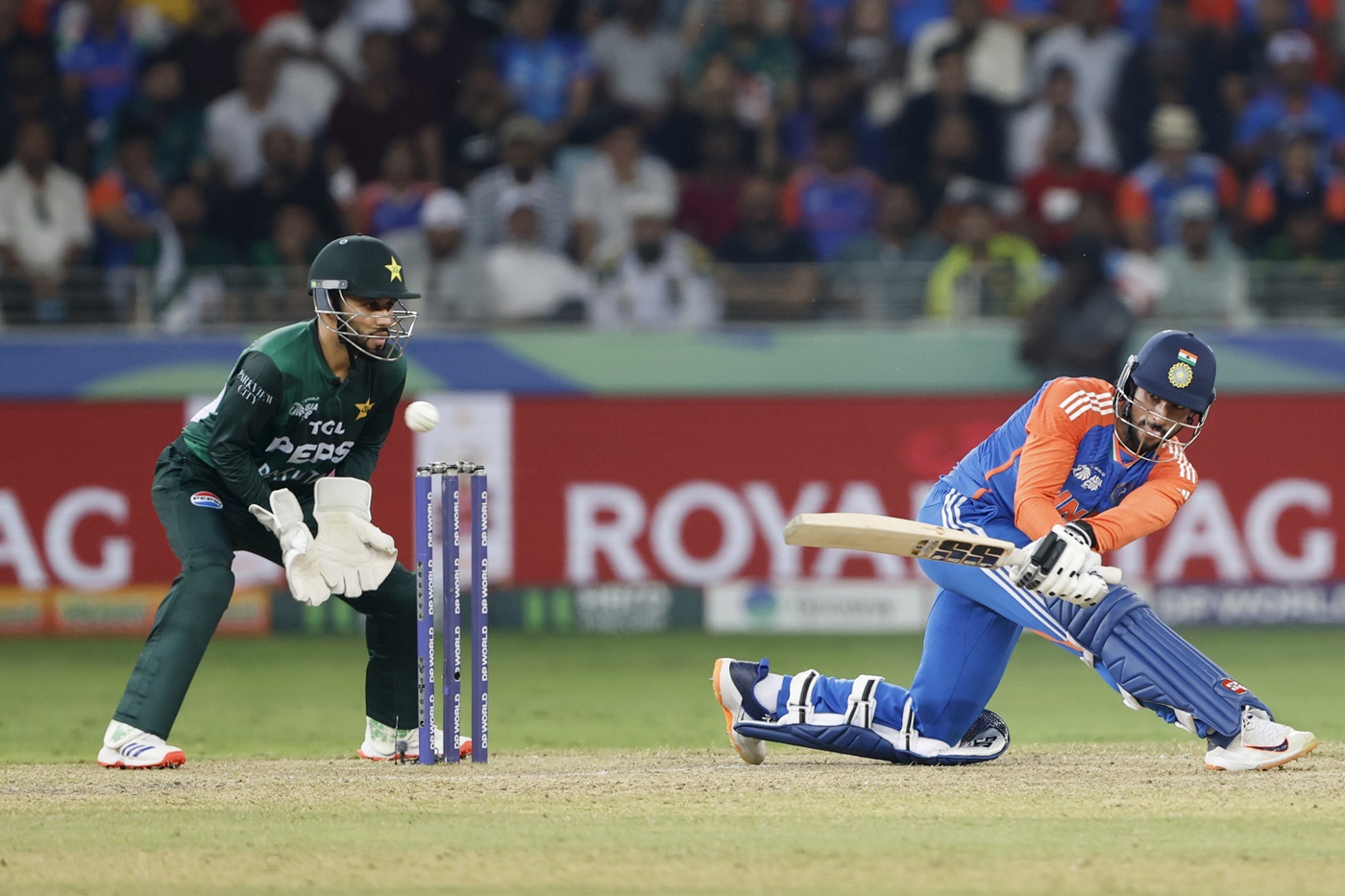
On Sunday, against an India lineup stacked with left-handers, Abrar and Saim pose a particularly thorny problem. Both can turn the ball either way.
The scene is set. The ropes are laid. The mystery spinners are ready. And somewhere, perhaps, Ajantha Mendis will be watching— wondering if they’ll create the same magic he once did on this very ground, against this very opponent.



 English (US) ·