.png)
 1 hour ago
16
1 hour ago
16

Prime Minister Narendra Modi has officially directed his security detail to reduce the size of his convoy by 50 percent. The Special Protection Group, which handles the Prime Minister's security, has already begun putting the directive into practice. The message it sends is deliberate and hard to miss if the country's most protected man is cutting back, everyone else probably should too.
Beyond just reducing the number of vehicles, Modi has also asked officials to start including electric vehicles in his convoy wherever it's practically possible and crucially, without buying any new cars to do it. Work with what's already there. Spend less. Use cleaner options. It's a simple idea but one that carries weight when it comes from the top.
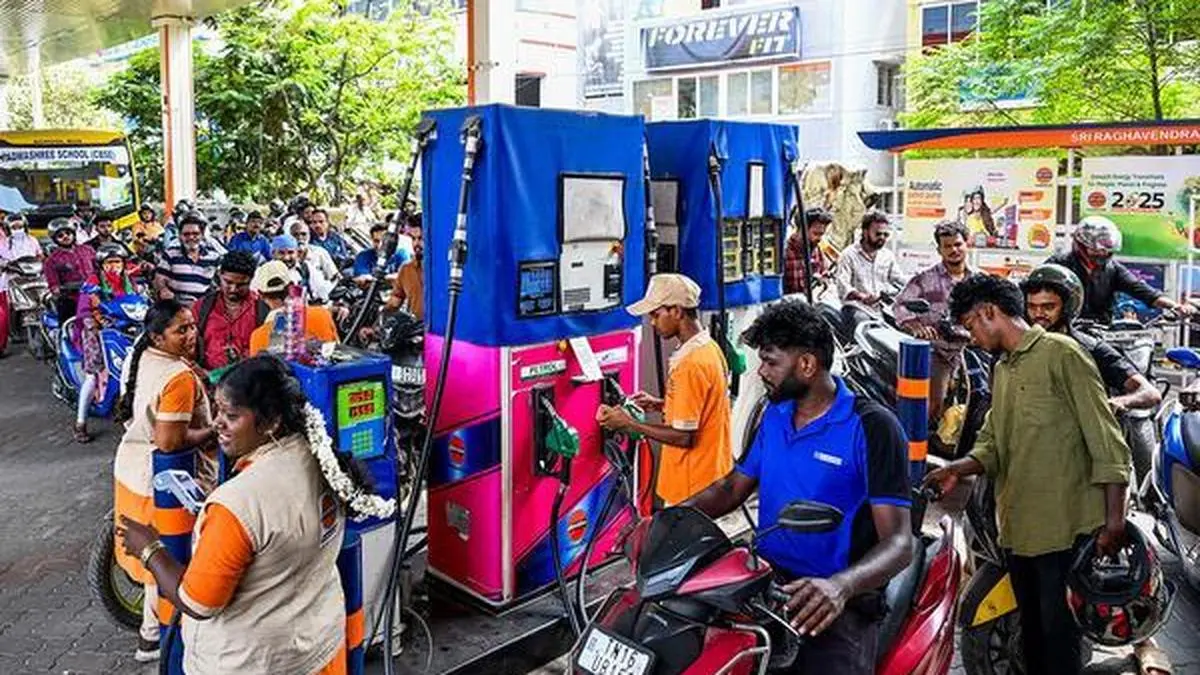
The context matters here is that Modi made a public speech in Secunderabad on Sunday where he laid out what he called seven appeals to ordinary Indians, a list of everyday actions people could take to help the country navigate a difficult global moment. The ongoing conflict involving the US and Iran has rattled oil markets worldwide and pushed fuel costs higher. India, which imports a significant chunk of its energy needs, is feeling that pressure.
His appeal covered everything from cutting petrol and diesel use to taking the metro, carpooling, maximising electric vehicle use, sending parcels by rail instead of road, and working from home where possible. He framed it not as sacrifice but as patriotism the kind that happens in daily life rather than on a battlefield.
The response from state governments came quickly. Madhya Pradesh Chief Minister Mohan Yadav trimmed his own cavalcade from 13 vehicles down to 8 and announced that no vehicle rallies would be organised during his official visits. Union Minister Ramdas Athawale went a step further he took the Mumbai Metro to make his point publicly and urged citizens to do the same.
All of this fits within a broader push Modi has described as "responsible patriotism" the idea that in a time of global disruption, the way people live and consume energy at home is just as important as anything happening at the border.
Whether ordinary Indians follow through in meaningful numbers remains to be seen. But the Prime Minister shrinking his own motorcade quietly, without fanfare is a different kind of political signal. One that's harder to ignore precisely because it asks nothing he isn't already doing himself.



 English (US) ·