.png)
 1 hour ago
7
1 hour ago
7
5 min readNew DelhiUpdated: Jul 18, 2026 04:29 AM IST
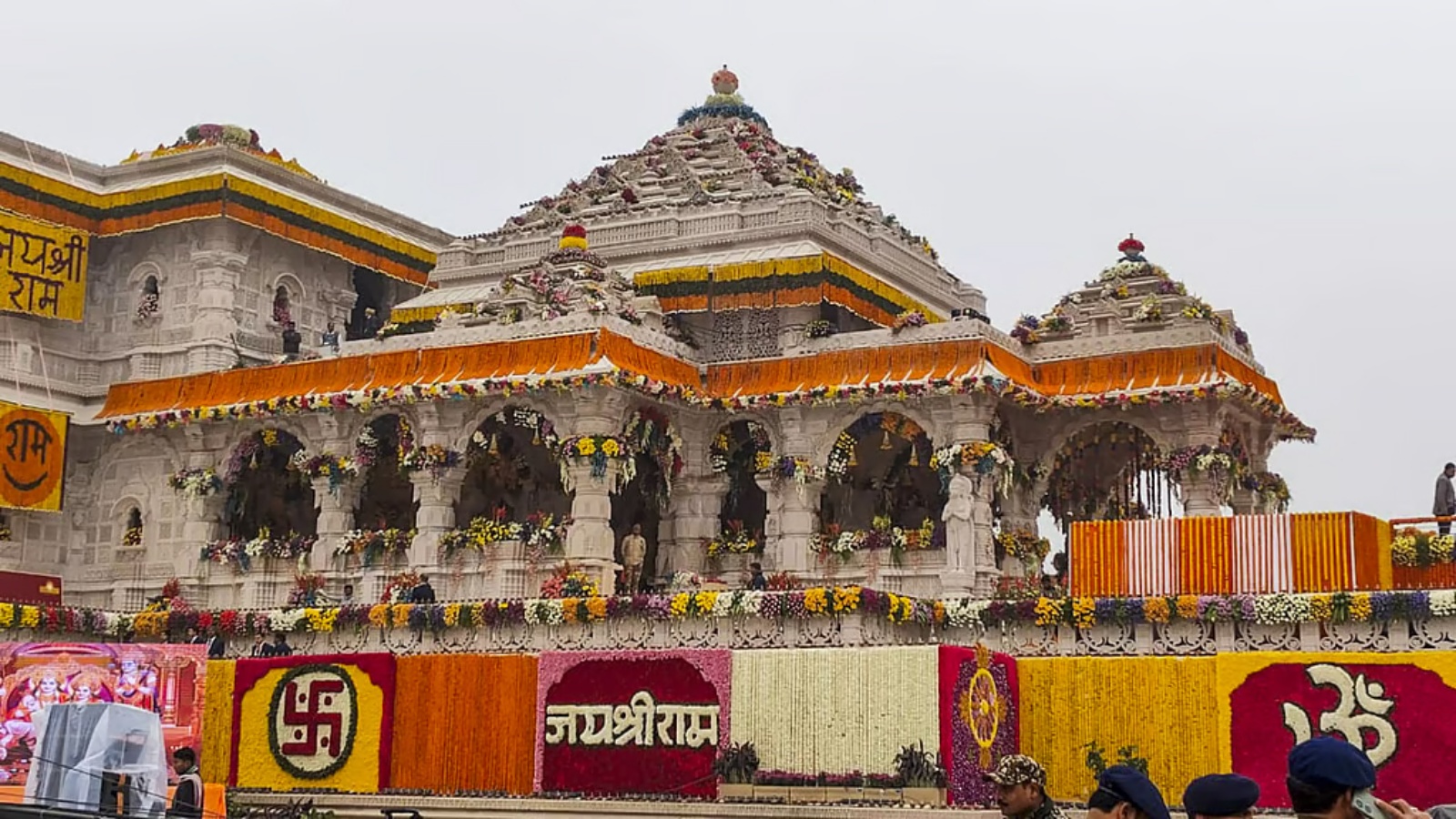 A few senior functionaries of the Ram temple trust are also under scrutiny. (File)
With eight people arrested so far over the theft of donations at the Ram Temple in Ayodhya, the investigation has now widened to scrutinise around 30 more employees engaged in counting cash offerings — many of them allegedly hired on the recommendations of functionaries of the Shri Ram Janmabhoomi Teerth Kshetra Trust or their associates, The Indian Express has learnt.
Sources linked to the police investigation told this newspaper that nearly 50 people were engaged in counting currency notes donated by devotees at the temple. Of these, sources said, close to 40 were allegedly recruited on the recommendations of Trust office-bearers or others closely associated with them.
Investigators are now examining the backgrounds of these employees and whether any of them accumulated assets disproportionate to their known sources of income after joining the cash-counting operation.
The probe has also brought under scrutiny a few senior Trust functionaries associated with the management of donations, although no criminal culpability has yet been established against them.
“This was not merely a case of administrative lapse or an error of judgment, but of deliberate negligence on the part of some people. Sensitive work involving public donations was entrusted through ad-hoc recruitment, with relatives and acquaintances of Trust functionaries finding their way into the system. The backgrounds of all such recruits are being verified and their financial records are also being examined,” a senior police officer in Ayodhya said.
According to investigators, CCTV footage has provided direct evidence against six of the eight arrested accused, allegedly showing them concealing bundles of currency notes inside their clothes, pockets and shoes while counting donations at the temple’s Pilgrim Facilitation Centre.
The alleged theft came to light after discrepancies in donation accounting prompted the temple administration to seek a police investigation. The UP government subsequently constituted a Special Investigation Team (SIT) even as the Trust saw the resignations of its general secretary Champat Rai and trustee Anil Mishra amid mounting scrutiny over the handling of donations.
Story continues below this ad
On June 25, UP Police registered an FIR in the case on a complaint by the Trust and arrested eight men: Avinash Shukla, Lavkush Mishra, Anukalp Mishra, Manish Kumar Yadav, Karunesh Pandey, Ramashankar Mishra, Ram Shankar Yadav alias Tinnu Yadav, and Subhash Srivastav. Tinnu Yadav is Champat Rai’s former driver; Manish Yadav is Tinnu’s nephew.
The arrests and the widening probe follow the findings detailed in a nine-page preliminary report submitted by the SIT in the case, which concluded that the alleged thefts were not isolated acts but were enabled by serious systemic failures in supervision, security and cash-handling procedures.
The report also found:
- At least 70 instances of alleged theft or embezzlement in CCTV footage preserved between April 27 and June 6 this year.
- CCTV recordings retained for only 45 days, despite earlier audit recommendations that footage be preserved for 180 days, making it difficult to determine whether the pilferage had begun even earlier.
- Repeated instances of employees hiding bundles of notes and loose cash inside their clothing, shoes and other concealed areas, with colleagues in some cases appearing to assist or shield them.
- Tinnu Yadav allegedly controlled the keys of donation boxes and access arrangements without any written authorisation. Counting supervisor Subhash Srivastava was responsible for allowing such informal arrangements to continue.
- Basic security protocols diluted or ignored: staff not frisked properly while entering or leaving the counting room; dress codes not enforced; personal belongings allowed inside the counting room; denomination-wise accounting of cash was often not maintained; and, donations from hundis mixed together before counting instead of being processed separately, weakening audit trails.
- Change in security protocol: mandatory frisking introduced in September 2024 was diluted by a Standard Operating Procedure issued on February 6, 2025, which permitted only random or periodic checks; even these limited checks were often not conducted.
- Weak oversight by Trust representatives involved in framing these procedures; little evidence of sustained supervision or compliance review despite the presence of Trust and bank representatives during counting.







 English (US) ·