.png)
.png) 2 hours ago
28
2 hours ago
28
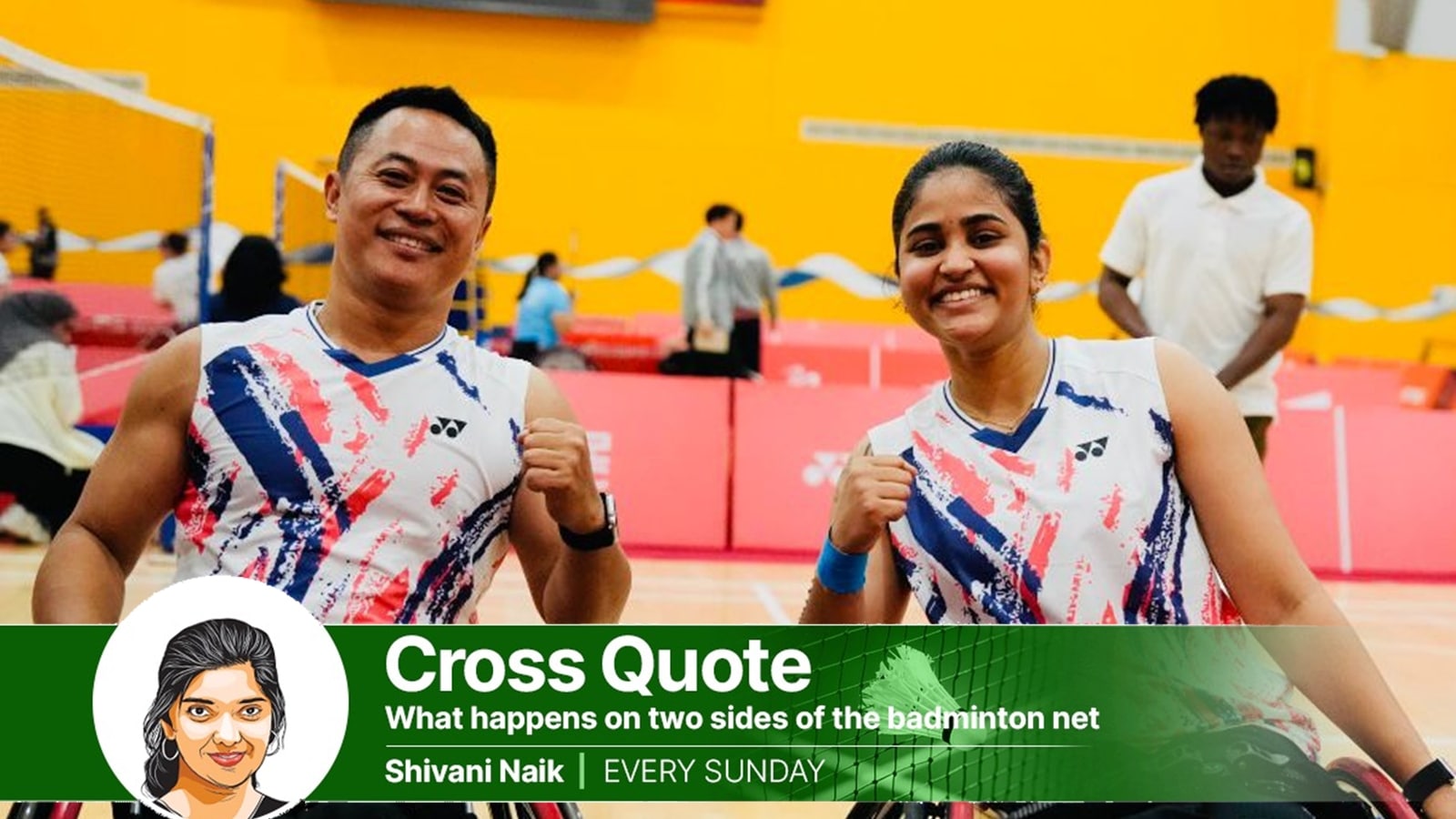 Prem Kumar Ale and Alphia James are the first Indians to win a doubles silver in the badminton Para World Championship. (Image via special arrangement)
India’s first Para World Championship silver in wheelchair badminton was fetched up this week when Prem Kumar Ale, an ex-Sowar of the Army’s cavalry, and Kerala’s Alphia James combined to land India’s biggest medal in the WH1-WH2 (wheelchair) category.
Prem Kumar, of Nepalese heritage who grew up in Himachal, had suffered a spinal cord injury in a road accident in Delhi while on duty in 2009, and had been playing wheelchair badminton for 12 years. He went through prolonged bouts of self-doubt and melancholy in the aftermath, besides the mobility struggles of an athlete with disability.
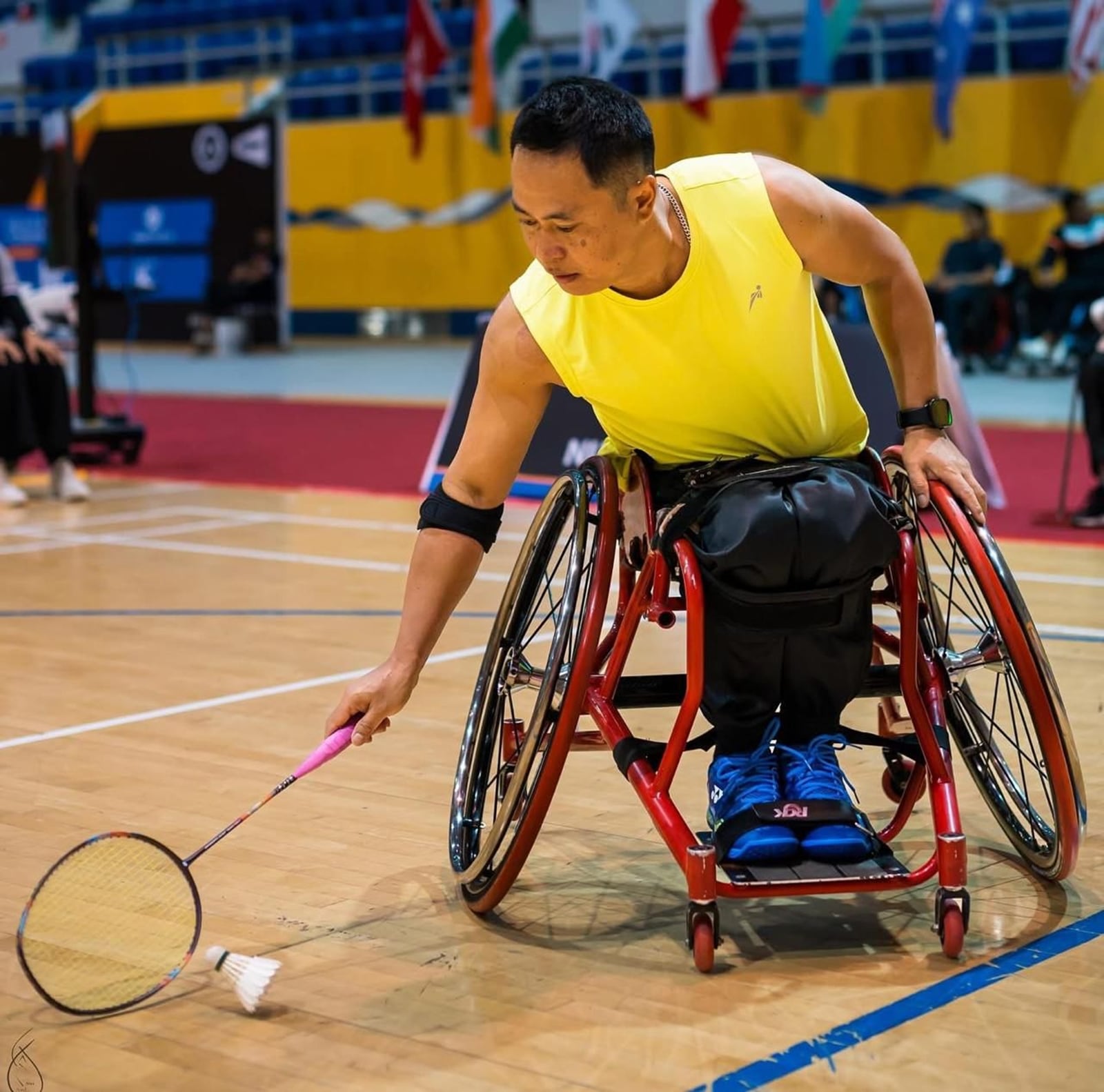 Prem Kumar had suffered a spinal cord injury in a road accident in Delhi while on duty in 2009. (Image via special arrangement)
This medal, though, has galvanised his spirits and fortified his faith in sport, making him feel strong again. “All disability is tough, but when you are on active duty in the forces, and then suddenly bound to a wheelchair, you can sink into depression. Thank God I had the support of the Army and my family, and found a second chance in sport. Iss medal ke baad main bhagwaan se kahoonga agle janam mein aisehi banao. (After the medal, I’ll pray to God to give me this opportunity to win like this once again),” Prem Kumar says, of having beaten adversity with perseverance.
Reaching the para-world’s final was also emotional because the Indian duo beat current World No 1s in this category, Jaime Aranguiz of Chile and Man Kei To of Belgium. They had lost to the pair earlier. “That used to hurt, but we went to Bahrain this time, determined to defeat them and not repeat mistakes from before. Our communication was much better, and we managed to make them move a lot as a strategy. Our mistakes were fewer,” says the 38-year-old, who now lives and trains at the Paraplegic Rehabilitation Centre in Pune.
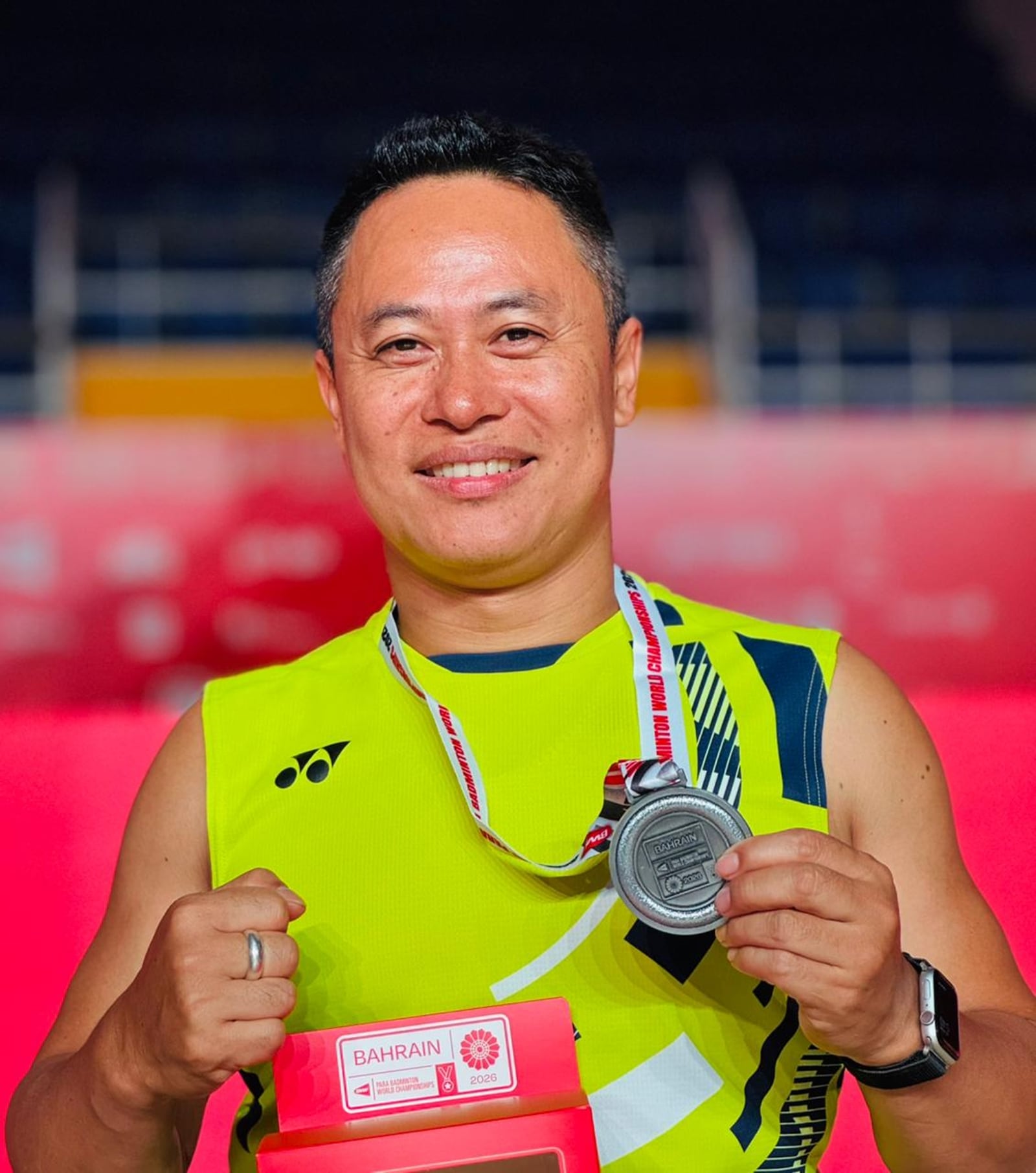 The silver encourages Prem Kumar to try harder to aim for gold next. (Image via special arrangement)
His T12 level spinal injury wasn’t merely a loss of limb function, but for the proud Gorkha, a loss of his independence too. And his choice of settling on badminton as a sport was down to this stifling he felt when he had to depend on others to continue in other para-sports.
While recovering from his injuries, Prem Kumar was inspired by a senior officer, who, despite his second hospitalisation post an accident, continued to be gung-ho about sport. Prem Kumar followed in wheelchair marathons. He would compete in Pune, Mumbai and even Bangalore. A recreational volleyball player when young, he would take up athletics, swimming and basketball.
“I really love basketball still, it’s very fast and exciting, and I like playing in a team. But you need others for that. Even swimming I used to compete till state level, but I needed too much help from others. That dependence used to make me sad. When I played badminton, I felt happy. I would win by my own effort, lose due to my own mistakes. Ismein aise ghuusa ki peechhe waapis nai dekha,” he says. He loved it so much, he never looked back. However, he still plays wheelchair basketball for fitness.
Story continues below this ad
What had him smitten by badminton was the microsecond decisions on shot-making that made the sport so exciting. “I’ve put in 12 years into this, and I was sick of winning just bronzes. My partner really encouraged me, and finally I have this World’s medal,” he says.
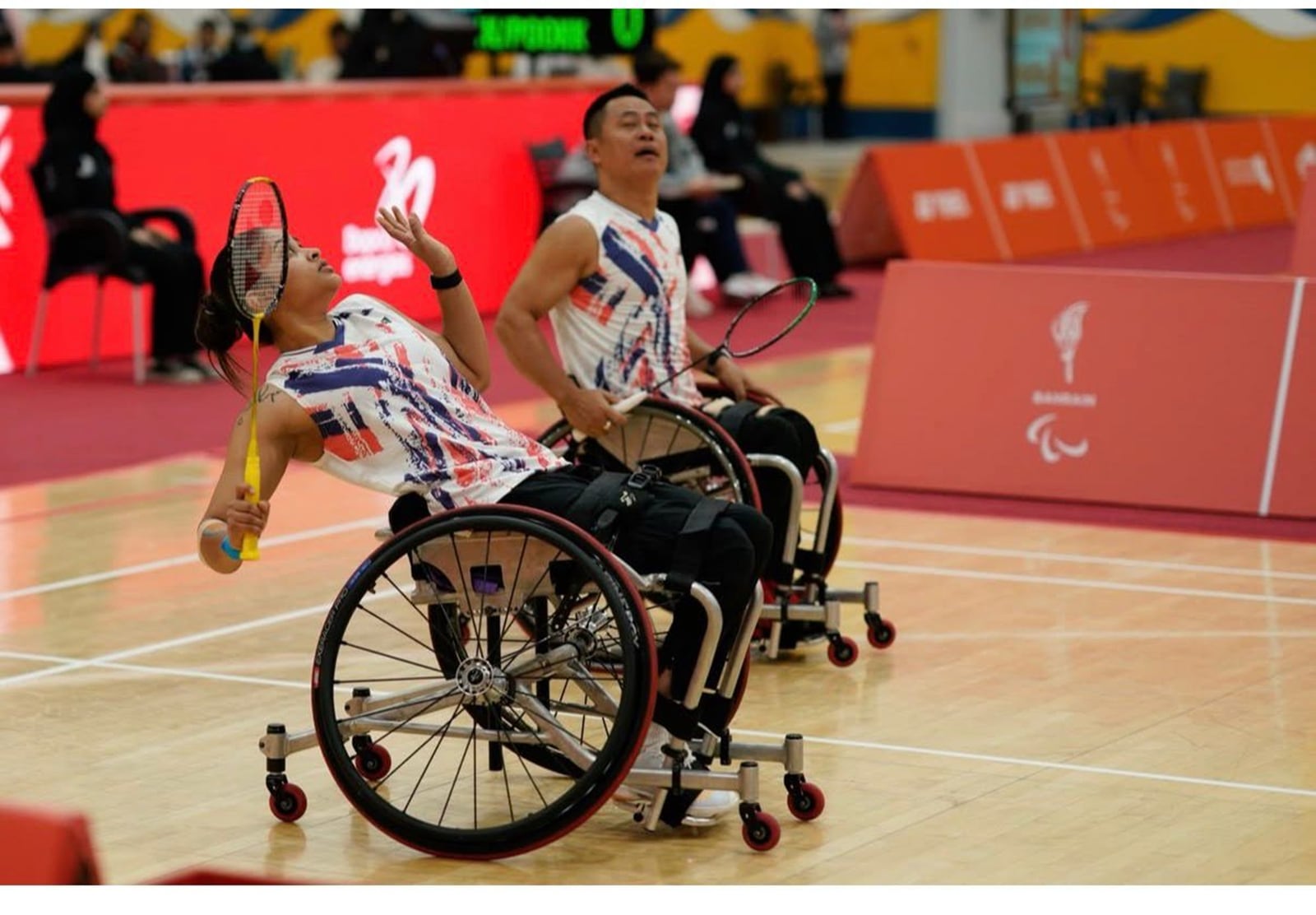 Prem Kumar said that he and Alphia worked on their communication this time which went a long way in them winning the medal. (Image via special arrangement)
The many-time national champion in singles had found the world medal elusive. His partner, Alphia, has a WH2 disability, a slightly lower level of impediment than his WH1. “Actually, our mistakes earlier were due to communication. This time, we decided to work on it. She works in Dubai, so I’d travel there and, at times, she travelled here. It was important to beat the No 1s, or I’d have lost my confidence,” he says, reassured by the win, which encourages him to try harder to aim for gold next, after they went down in a tight final to Chinese Qu Zimo and Liu Yutong.
While the mental challenges of a wheelchair-bound life suddenly from very active duty were immense, other equipment troubles had initially worried him. “I modified my wheelchair initially, but then the Army and the Paraplegic centre stepped in, and gave me a branded wheelchair with the latest tech,” he says, adding the mindset prepared in the forces anyway gave him a strong temperament. “War mein kuchh keh nai sakte kab goli lagegi, kab khana milega (In war, you can’t predict when you’ll be shot, or when you’ll get food),” he says about being trained to be resilient.
With badminton, he now also has wings to fly. “For the longest time, I used to be a big fan of (Malaysian legend) Lee Chong Wei and how he played. I read about everything he overcame. This medal means a lot because I realised in this sport, I control my own destiny,” he says, gleeful and jubilant.

Shivani Naik is a senior sports journalist and Assistant Editor at The Indian Express. She is widely considered one of the leading voices in Indian Olympic sports journalism, particularly known for her deep expertise in badminton, wrestling, and basketball. Professional Profile Role: Assistant Editor and Columnist at The Indian Express. Specialization: While she covers a variety of sports, she is the primary authority on badminton for the publication. She also writes extensively about tennis, track and field, wrestling, and gymnastics. Writing Style: Her work is characterized by "technical storytelling"—breaking down the biomechanics, tactics, and psychological grit of athletes. She often provides "long reads" that explore the personal journeys of athletes beyond the podium. Key Topics & Recent Coverage (Late 2025) Shivani Naik’s recent articles (as of December 2025) focus on the evolving landscape of Indian sports as athletes prepare for the 2026 Asian Games and beyond: Indian Badminton's "Hulks": She has recently written about a new generation of Indian shuttlers characterized by power and physicality, such as Ayush Shetty and Sathish Karunakaran, marking a shift from the traditionally finesse-based Indian style. PV Sindhu’s Resurgence: A significant portion of her late-2025 work tracks PV Sindhu’s tactical shifts under new coaching, focusing on her "sparkle" and technical tweaks to break out of career slumps. The "Group of Death": In December 2025, she provided detailed tactical previews for Satwiksairaj Rankireddy and Chirag Shetty’s campaign in the BWF World Tour Finals. Tactical Deep Dives: She frequently explores technical trends, such as the rise of "backhand deception" in modern badminton and the importance of court drift management in international arenas. Legacy and History: She often revisits the careers of legends like Saina Nehwal and Syed Modi, providing historical context to current Indian successes. Notable Recent Articles BWF World Tour Finals: Satwik-Chirag have it all to do to get through proverbial Group of Death. (Dec 2025) The age of Hulks in Indian badminton is here. (Dec 2025) Treadmill, Yoganidra and building endurance: The themes that defined the resurgence of Gayatri and Treesa. (Dec 2025) Ayush Shetty beats Kodai Naraoka: Will 20-year-old be the headline act in 2026? (Nov 2025) Modern Cinderella tale – featuring An Se-young and a shoe that fits snugly. (Nov 2025) Other Sports Interests Beyond the court, Shivani is a passionate follower of South African cricket, sometimes writing emotional columns about her irrational support for the Proteas, which started because of love for Graeme Smith's dour and doughty Test playing style despite being a left-hander, and sustained over curiosity over their heartbreaking habit of losing ICC knockouts. You can follow her detailed analysis and columns on her official Indian Express profile page. ... Read More
© The Indian Express Pvt Ltd


 English (US) ·