.png)
Tired of bulky, rugged fitness trackers that weigh down your wrist and clash with your everyday outfits? Consider a hybrid smartwatch instead. These wearables combine smart technology with the timeless charm of a traditional, analog wristwatch, giving you the best of both worlds. They often feature physical hands and a non-digital face, as well as advanced sensors and tiny displays that help you track your health and fitness metrics discreetly.
The perfect example of a hybrid smartwatch is the Withings ScanWatch 2. This wearable does not have the top-class mapping features or workout-tracking tools typical of Garmin watches, nor will it help you prepare for a sporting event in the way that even some of the most budget-friendly fitness trackers can — but that is not what it is meant to do.
Withings ScanWatch 2 review
Withings ScanWatch 2: Design
- Exceptionally elegant and discreet
- Featherlight and comfortable to wear
- Customizable design with detachable straps
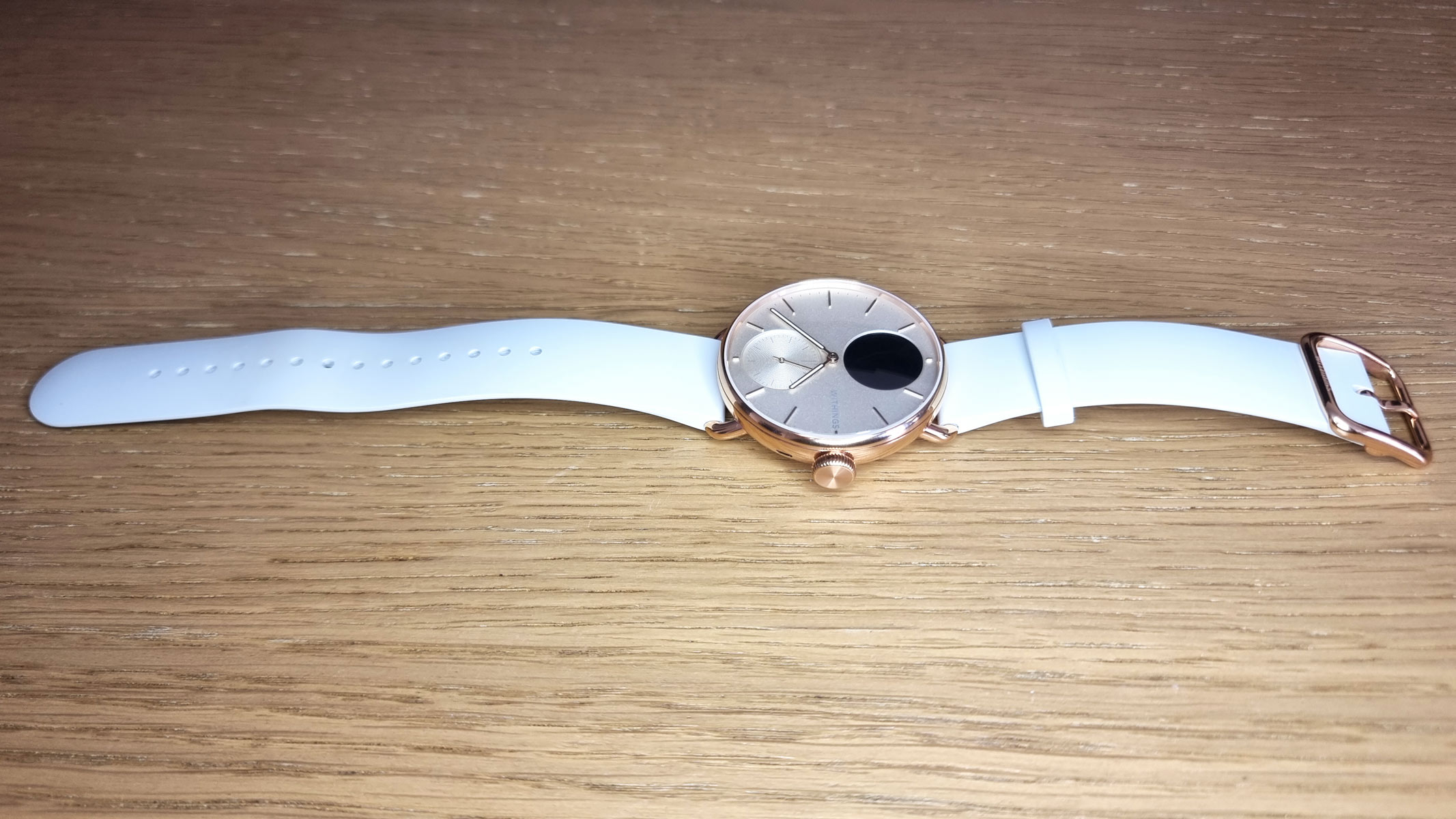
The Withings ScanWatch 2 is the most elegant smartwatch we have ever tested.
(Image credit: Anna Gora)
Key specs
Display: 0.63-inch OLED display, 282 PPI
Always-On: No
Screen sizes: 1.5 in (38 mm) and 1.65 in (42 mm)
Colors: Black, blue, pearl white, sand
Finish: Stainless steel
Weight (without wristband): 1.22 oz (34.6 g)
Battery life: Up to 35 days
GPS: No
Compass: No
Altimeter: Yes
Water resistance: 5ATM
NFC payments: No
Compatibility: iOS 16 and higher, Android 12 and higher
Right off the bat, the Withings ScanWatch 2 scores a big point for its customizability. This hybrid smartwatch comes in two sizes, 1.5-inch (38 millimeters) and 1.65-inch (42 mm), with both models available in black, blue and pearl white, and the 1.5-inch version also available in sand. On top of that, we also have a wide range of detachable straps to choose from. Whether you are looking for a tasteful leather strap, a durable metal bracelet or a sporty silicone band, you can easily find something that suits your style.
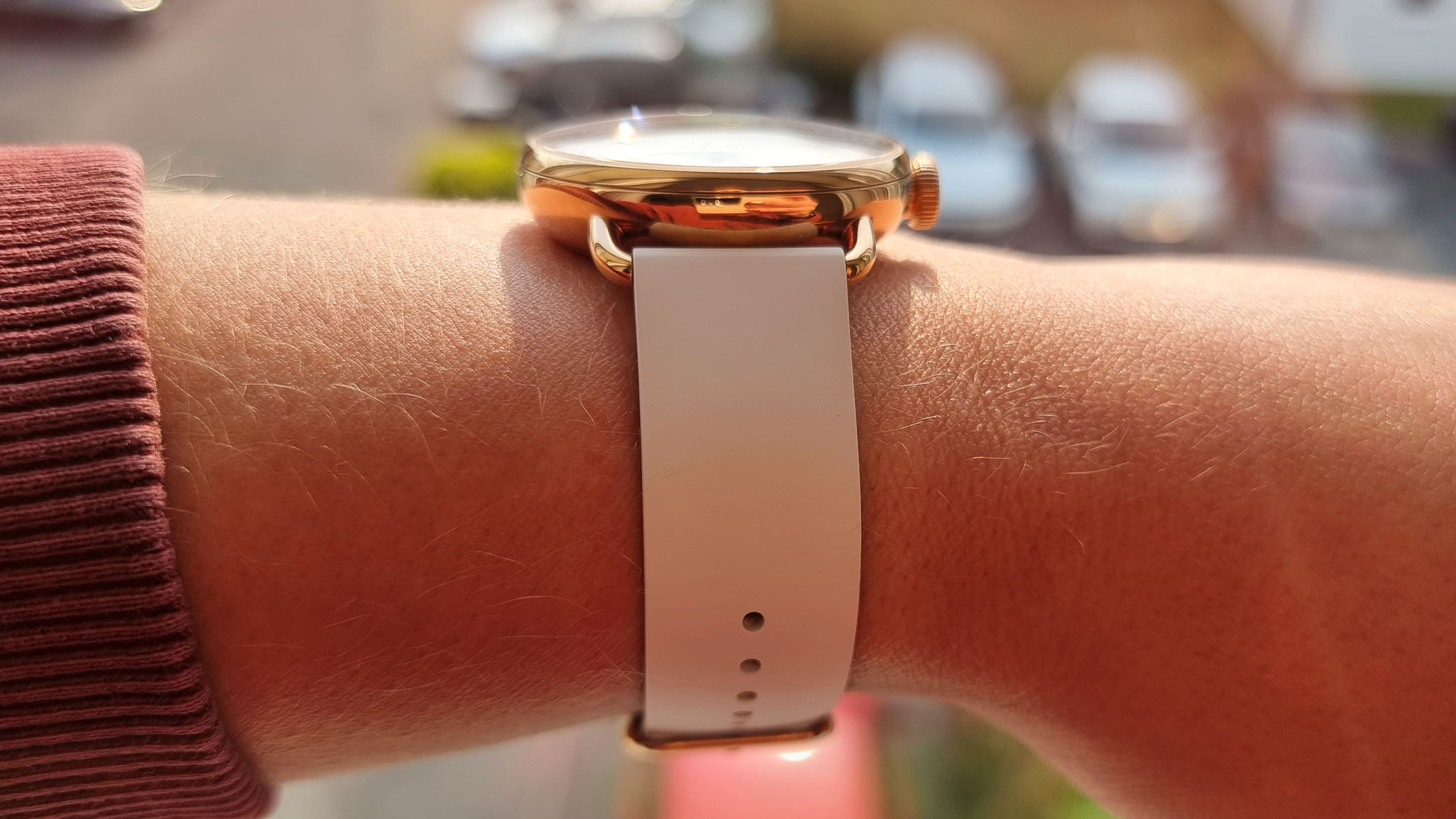
Our testing unit was the 1.5-inch version, in the sand color with a white leather wristband — and we absolutely adored it. The Withings ScanWatch 2 is by far the most feminine and elegant smartwatch we have ever tested (and we have tested a lot). It is so discreet that it could easily pass for an analog watch, and so beautifully crafted that we had no qualms about wearing it to a family wedding and other formal occasions. We also liked how featherlight and comfortable it was to wear. Looks- and feel-wise, it scores 10 out of 10.
(Image credit: Anna Gora)
The Withings ScanWatch 2 may look rather delicate, but it is surprisingly well-built. This hybrid smartwatch is encased in durable stainless steel and covered with sapphire glass for added protection against bumps and scratches. In fact, it is almost as durable as some of the best outdoor-oriented watches from Garmin, Suunto and other leading brands.
This was a smart choice for Withings to make. The ScanWatch 2 is so small and compact that you barely even feel its presence on the wrist, and if you keep forgetting you are wearing it, you are more likely to expose it to various accidents. Take it from us — we must have bumped our testing unit against steel gym equipment at least a dozen times. The good news is that it did not sustain any visible damage.
Withings ScanWatch 2: Display
- 0.63-inch, two-tone OLED display
- Controlled via the rotating crown
- Can be difficult to read in direct sunlight
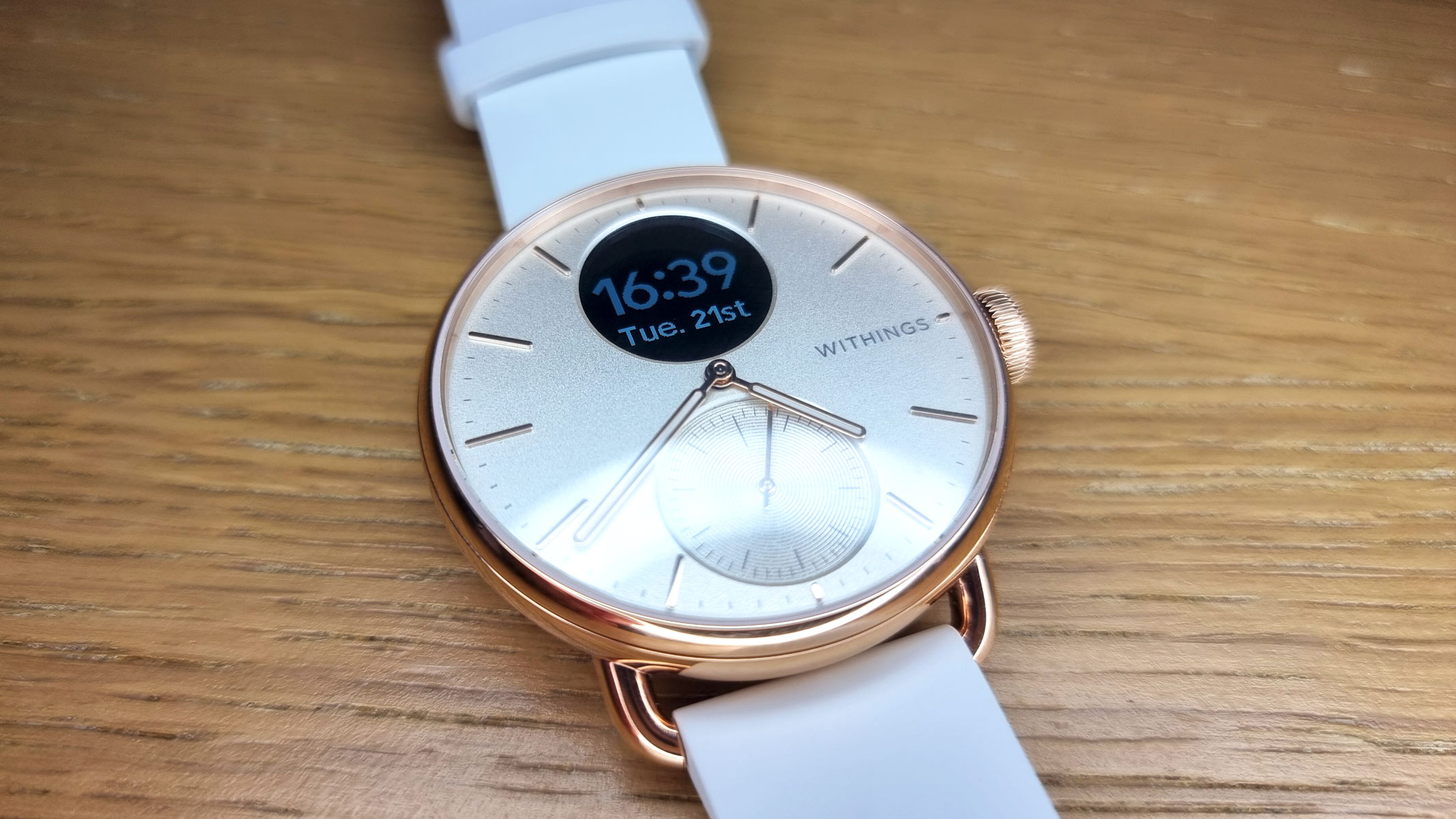
The Withings ScanWatch 2 features a 0.63-inch OLED display embedded in the analogue watch face.
(Image credit: Anna Gora)
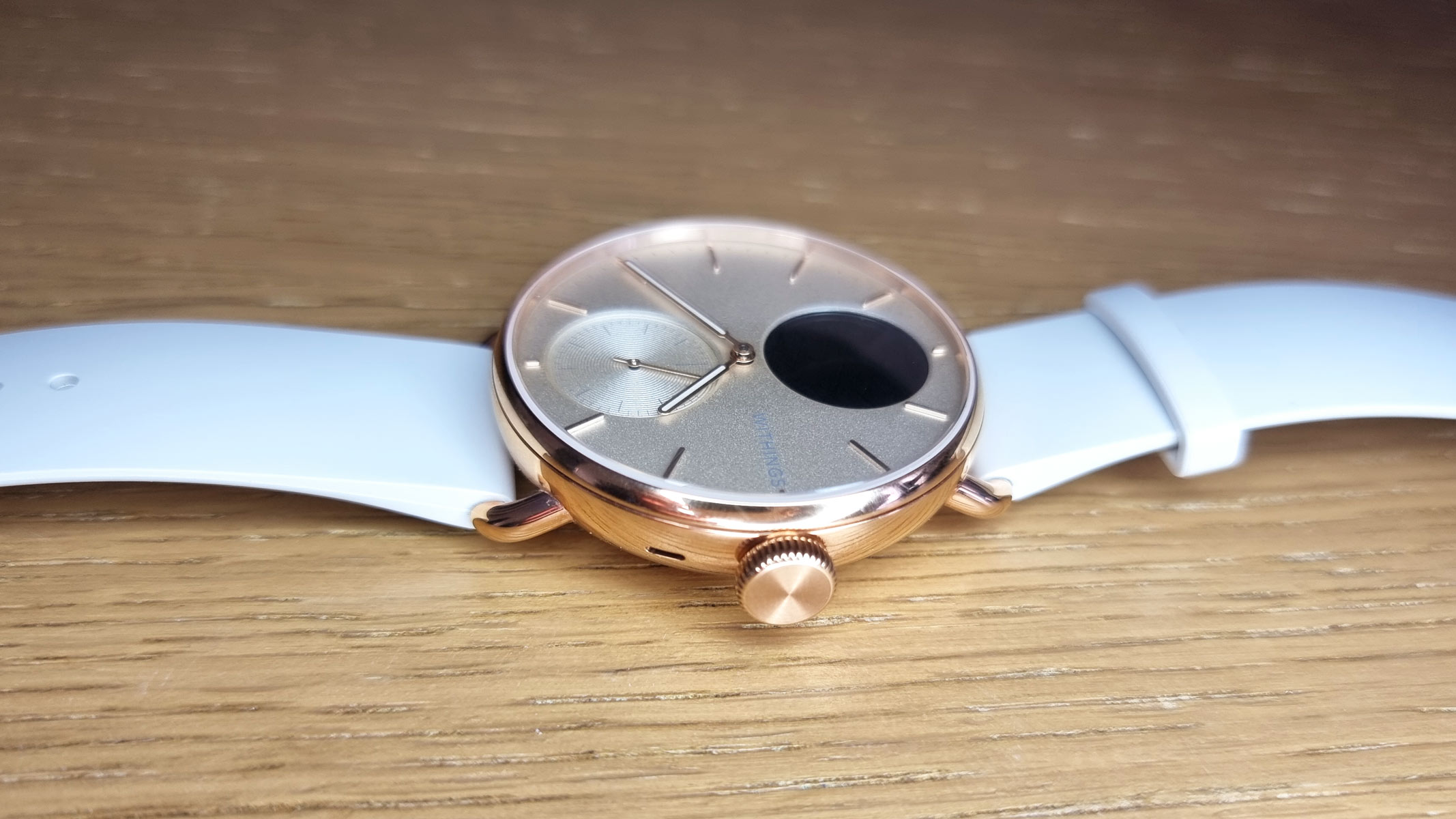
The 0.63-inch (16 mm) OLED display is both the best and the worst feature of the Withings ScanWatch 2. Starting with the positives, it makes this smartwatch look exceptionally discreet. When it is off, the display seamlessly blends in with the analog part of the watch face. It is also very quick and straightforward to control — simply press the crown to wake the screen, rotate it to scroll through the menu, and press again to select features.
(Image credit: Anna Gora)
Interestingly, the physical hands will never obscure this tiny display if it is in use (which could happen at around midday, for example). Once you press the crown, they will temporarily move to the sides, and after you finish setting the features, they instantly move back to where they were before. It is a clever design: refreshingly simple and very satisfying to use.
On the other hand, the display is also what can make the Withings ScanWatch 2 difficult to read. The menu captions are horrendously tiny and not particularly visible in direct sunlight. Even those with perfect eyesight may struggle to decipher them, never mind people with visual impairments.
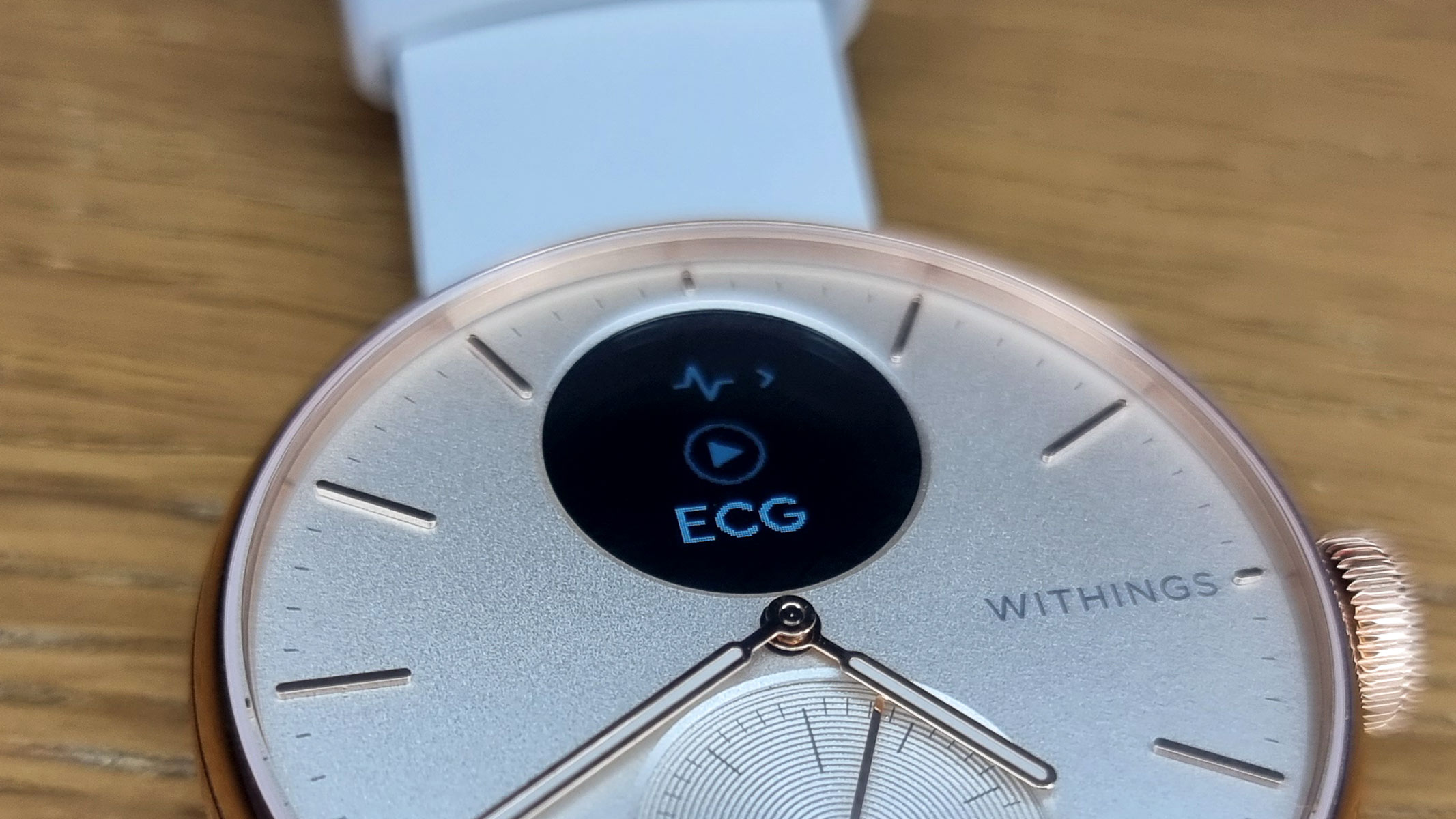
The Withings ScanWatch 2 can be difficult to read.
(Image credit: Anna Gora)
The crown control can be a disadvantage, too. For example, it makes it easy to unintentionally mess with the watch settings. One time, we almost triggered a full factory reset simply because we did not notice that our gym glove was pressing and rotating the crown during a workout. This is made worse by the fact that it is not possible to temporarily disable the crown, to prevent things like that from happening in the first place.
Withings ScanWatch 2: Features
- Comprehensive, detailed health insights
- Basic workout tracking features
- Confusing app layout
Health-related features are where the Withings ScanWatch 2 shines the brightest. Not because there are so many of them (though that matters, too), but rather due to how they are displayed and interpreted in the Withings app.
Most fitness trackers focus on raw numbers, crunching stats and specific short-term outcomes, such as the training load from a particular workout or the effects of your sleep on the energy levels the following day. The ScanWatch 2, on the other hand, is more about holistic analysis and identifying long-term trends. The longer we used this smartwatch, the more it seemed to learn about us, and the better it got at connecting the dots between different metrics.
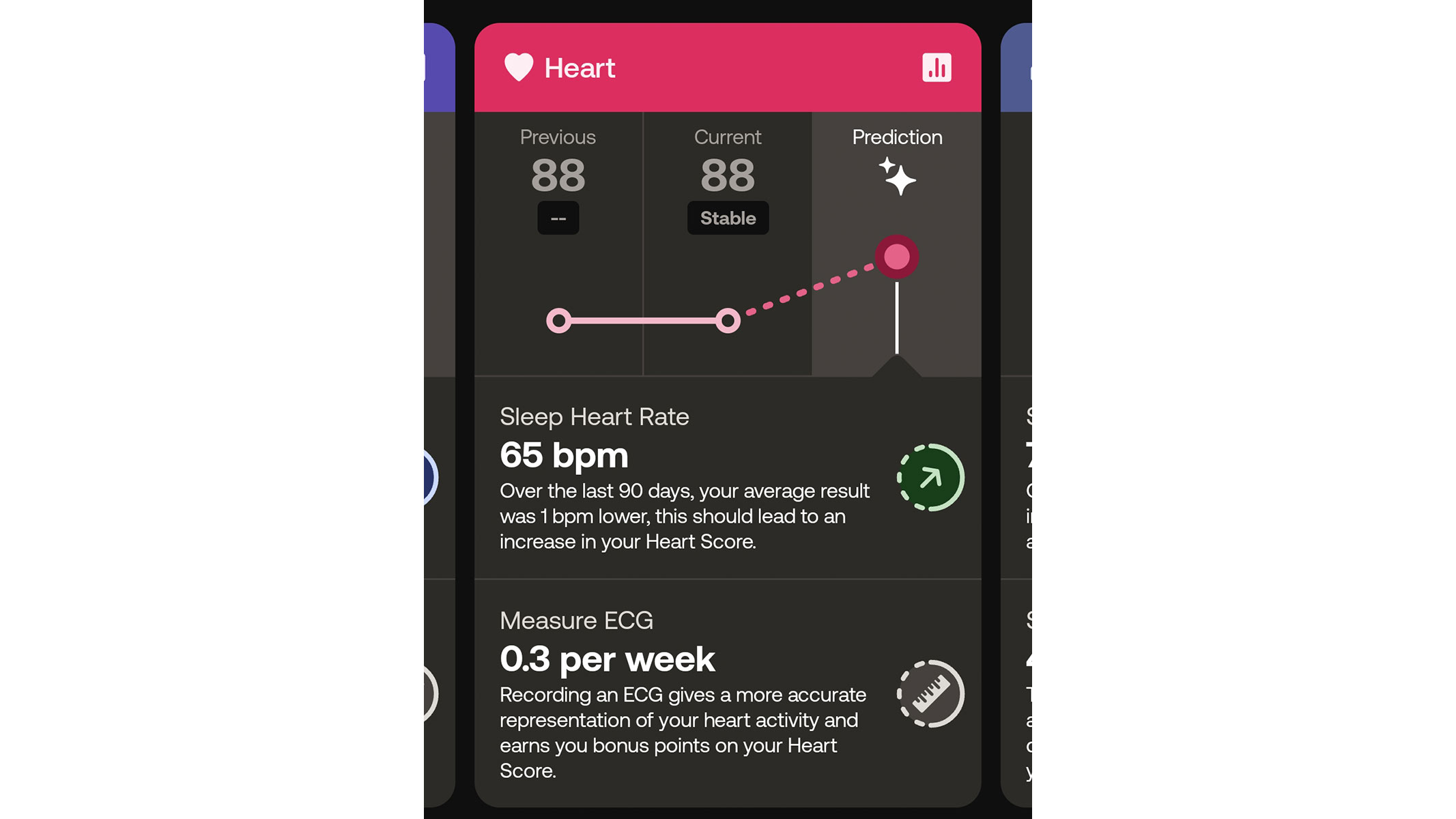
The Withings app is focused on identifying and analysing long-term trends.
(Image credit: Anna Gora)
That said, most of these personalized health insights and in-depth analytic features are hidden behind a paywall. The Withings+ subscription is complimentary for the first month, then it switches to $9.95 per month or $99.95 per year. It is quite pricey, true, but we are inclined to say it is worth the expense. Not only does it help you make more sense of your stats, but it also provides you with access to a rich, well-written content library, guided programs and a lifetime warranty on active Withings devices.
Most importantly, a Withings+ subscription allows you to request personalized heart health assessments conducted by board-certified cardiologists. Every subscriber can do that up to four times a year at no extra cost. We fully approve of this feature and wish more brands would follow suit. Smartwatch ECGs are relatively accurate, but still not as precise as ECGs done in clinical settings. They also tend to be more finicky to take and therefore more prone to providing inconclusive results. Having a medical professional who can interpret this ECG data can offer some peace of mind to those who pay close attention to their cardiovascular health.
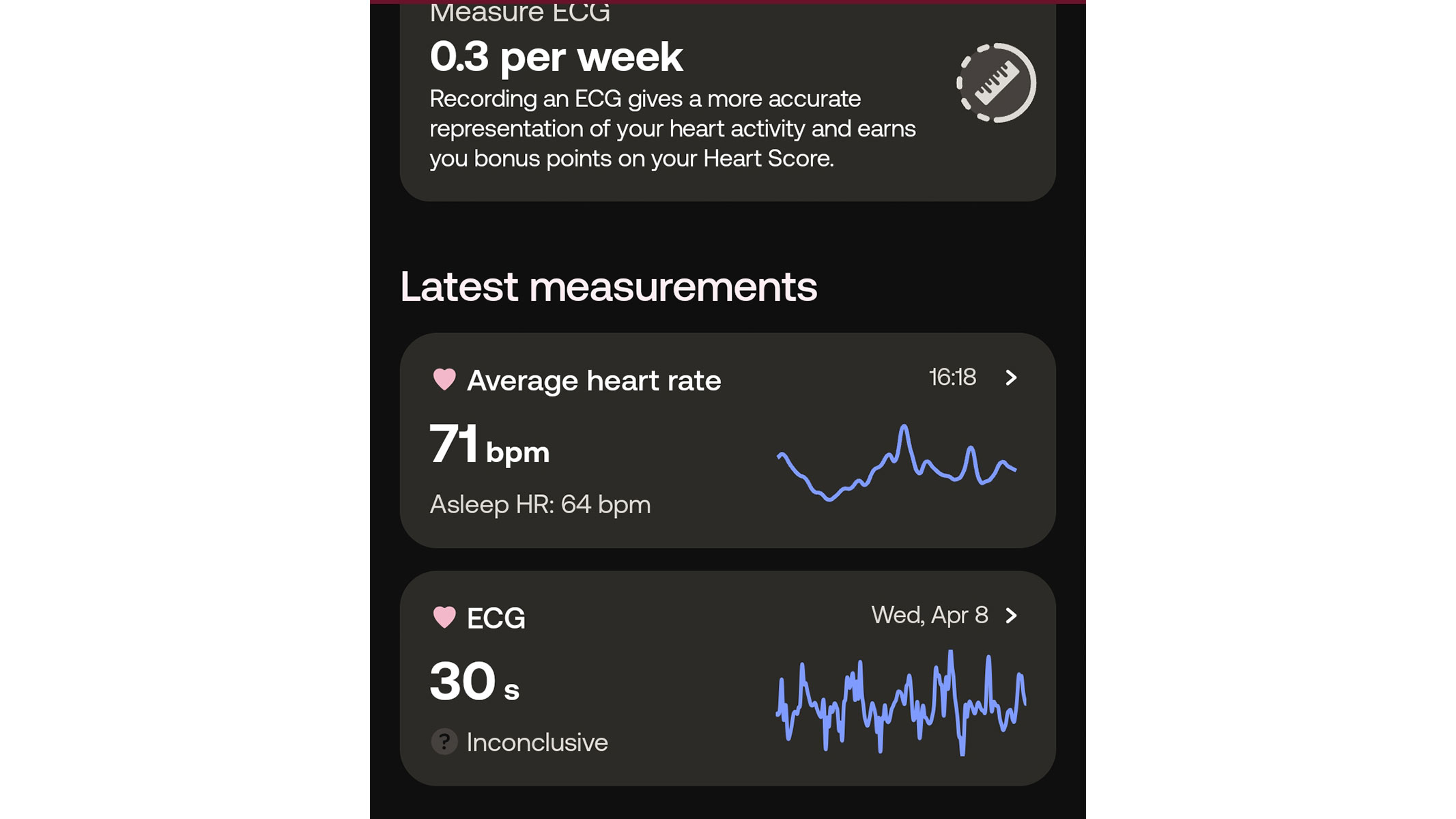
If your ECG comes out as inconclusive, you can request a board-certified cardiologist to review your readings.
(Image credit: Anna Gora)
The Withings+ subscription is not necessary to benefit from the app's features, though. The Withings app is colorful and engaging, and it does a great job of explaining health metrics in an easy-to-understand way. We liked that it feels less “clinical” and data-heavy than Garmin Connect or Whoop, for example — this makes it very accessible to casual exercisers or those new to health tracking.
We have only one major issue with the Withings app — its layout feels quite confusing and tricky to navigate, and its features are arranged differently from most other smartwatch apps we have used. That’s partly because, as we mentioned before, the app emphasizes long-term trends and a holistic approach rather than raw stats and numbers. If you are used to regular fitness trackers, this approach may feel a bit alien and counterintuitive.
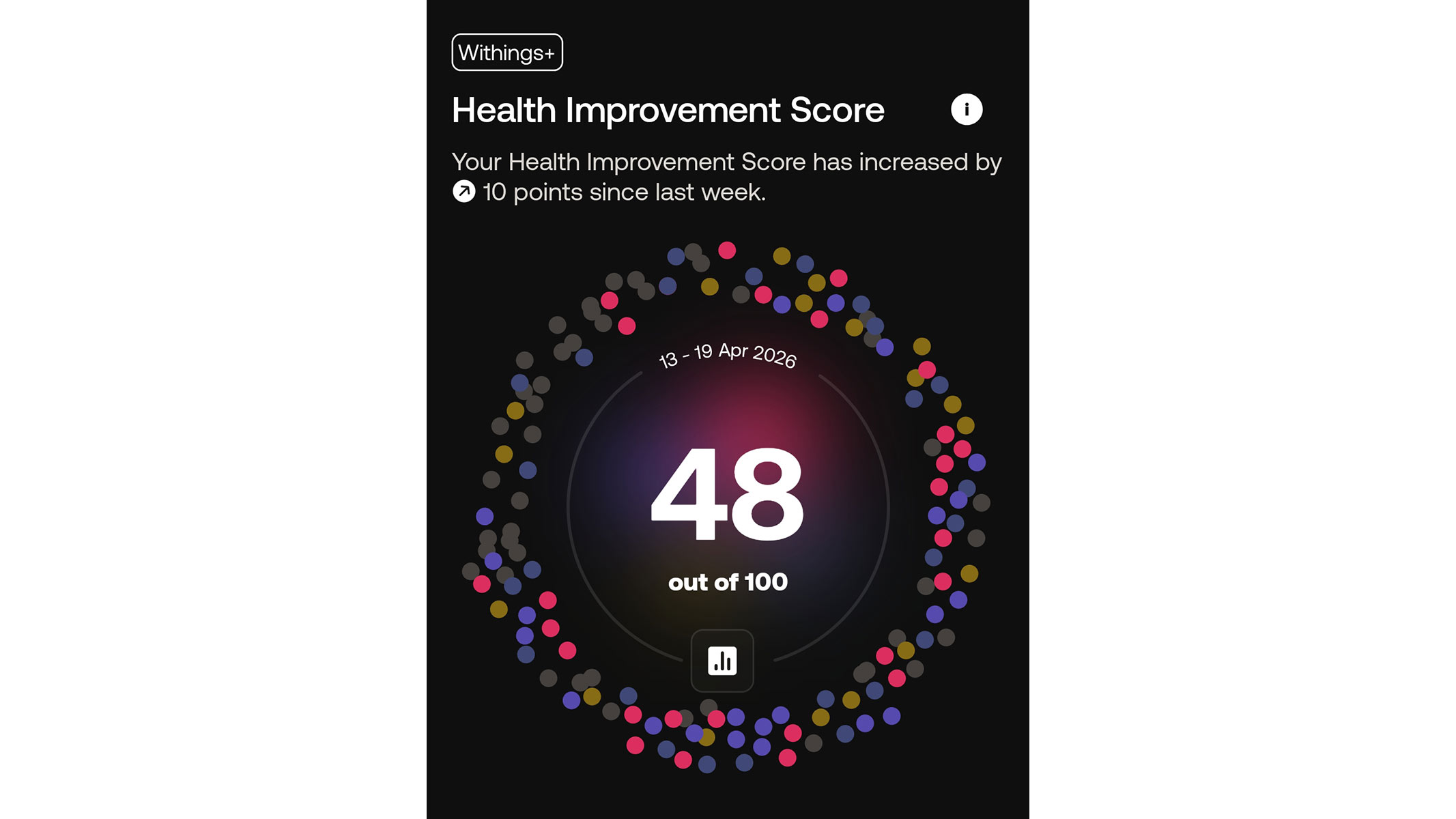
The Health Improvement Score rates long-term changes to your lifestyle by combining metrics like heart rate, sleep quality and activity level.
(Image credit: Anna Gora)
We were also slightly disappointed with the watch’s workout tracking capabilities. The Withings ScanWatch 2 can automatically detect and record your exercise sessions, but it does not collect nearly as many metrics as most other wearables. Moreover, there is no way to check your metrics in the app halfway through your workout (except for the real-time heart rate readings) — you can only access them after the session is finished. If you are focused on assessing and improving your exercise performance, the Withings ScanWatch 2 will surely fall short of your expectations.
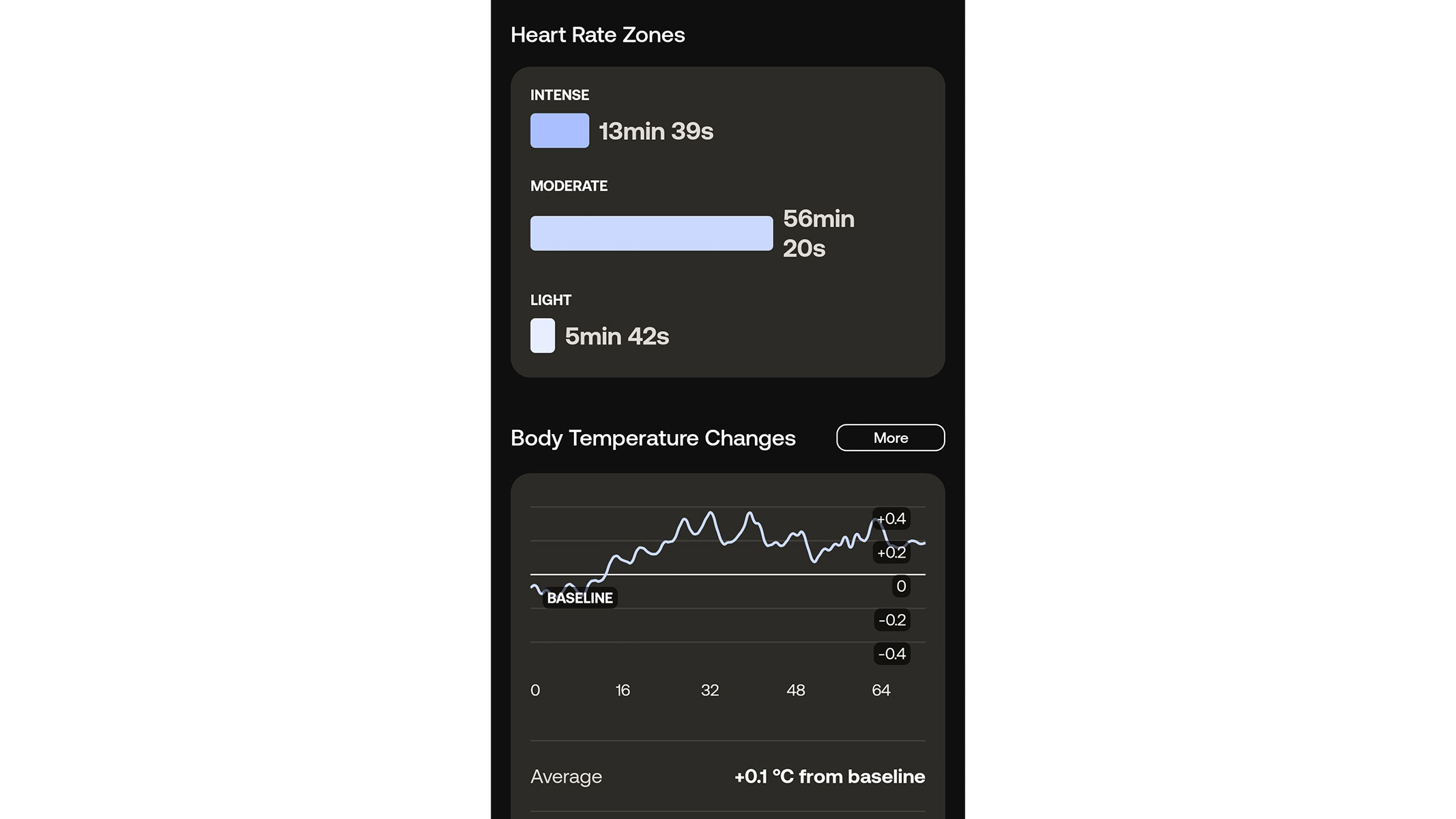
The Withings ScanWatch 2 offers only basic workout tracking features.
(Image credit: Anna Gora)
Withings ScanWatch 2: Performance
- Up to 35 days of battery life
- Relatively accurate measurements of heart rate and temperature
- Seamless app connectivity
According to the manufacturer, the Withings ScanWatch 2 lasts up to 35 days on a single charge. This sounds about right — we wore our testing unit day and night for nearly two months, and we only had to charge it twice during that time. To put that into perspective, most ECG smartwatches offer around two weeks of battery life at best.
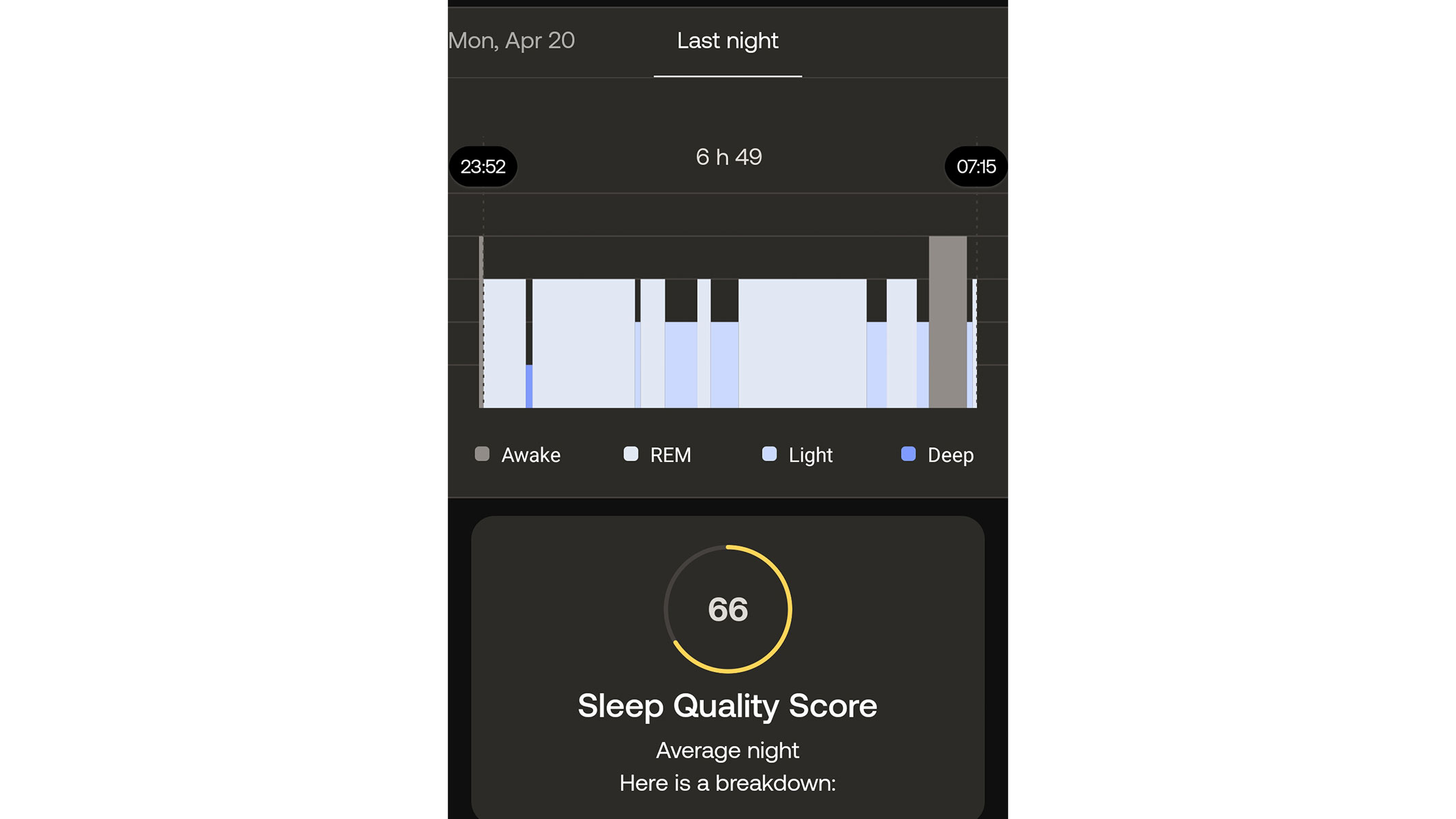
We were also satisfied with the tracking performance. The Withings ScanWatch 2 did a particularly good job of measuring body temperature and assessing the duration and quality of our sleep, which in turn led to reliable menstrual cycle predictions and on-point assessments of our energy levels. Breathing rate, ECG and blood oxygen assessments also looked relatively accurate.
(Image credit: Anna Gora)
Heart rate measurements, however, were a bit more volatile — but that appears to have more to do with the limitations of PPG optical sensors, rather than the quality of the Withings ScanWatch 2 itself. When we compared the readings taken by this smartwatch with the data we obtained using a more accurate Polar H9 chest-strap heart rate monitor, we noticed that the heart rate measurements tended to be more accurate during periods of rest and light exercise than during high-intensity activities. This is the same pattern we observed in pretty much every other PPG tracker we have ever tested.
We have no qualms about the app connectivity, either. We quickly connected the Withings ScanWatch 2 to our phone and did not experience any issues with data transfer. The software updates were prompt and did not interfere with our activities.
So, is the Withings ScanWatch 2 worth the money? We think so. While $369.95 may not be particularly budget-friendly, it is not unreasonable either, given the overall value of this smartwatch.
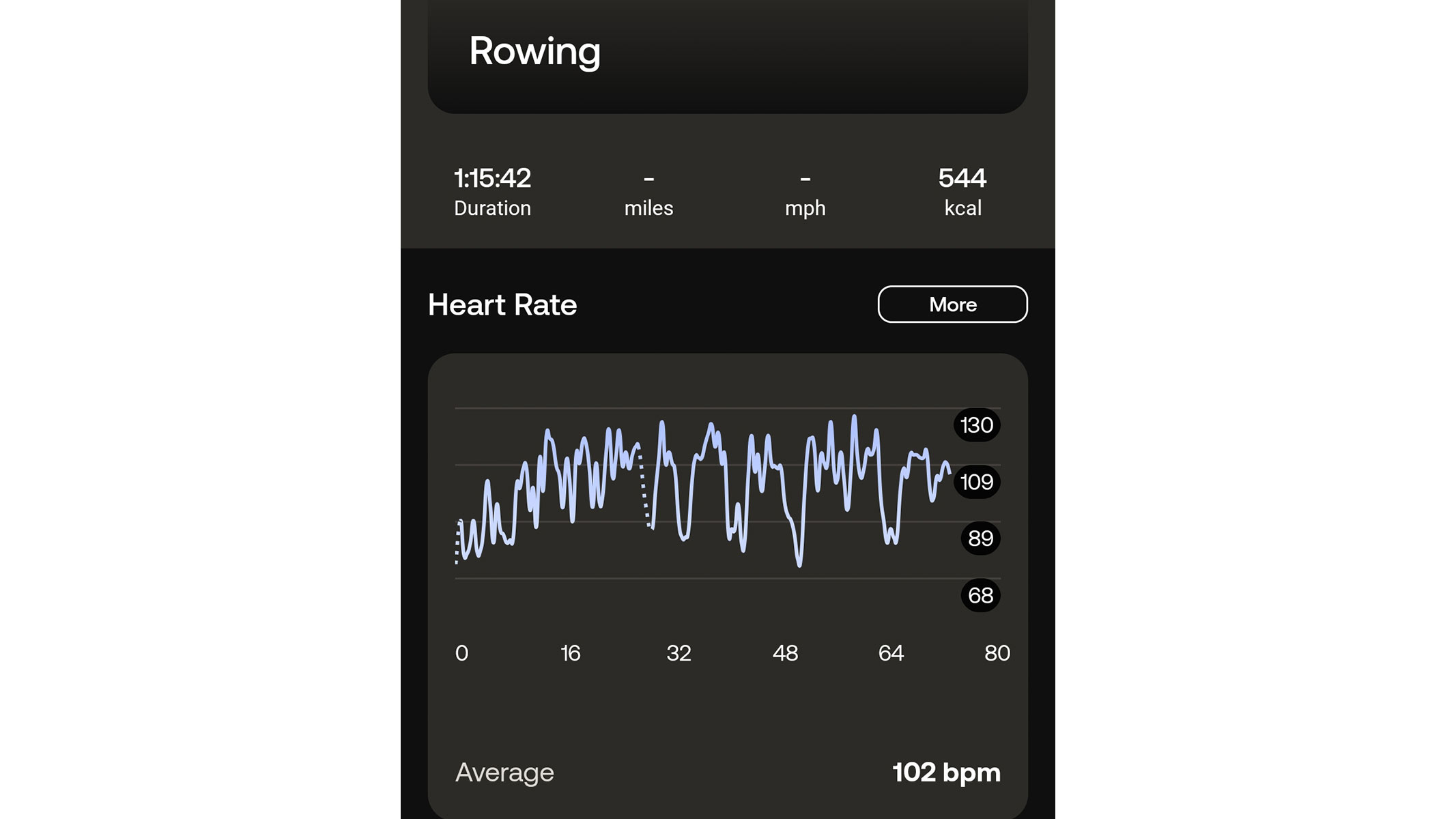
The Withings ScanWatch 2 offers relatively accurate heart rate measurements.
(Image credit: Anna Gora)
Withings ScanWatch 2: User reviews
At the time of writing this review, the Withings ScanWatch 2 was rated 4.4 out of 5 stars at Withings, 4.3 stars at Best Buy and 4 stars at Amazon. Positive reviews tended to praise this hybrid smartwatch for its stylish design, long battery life, good tracking accuracy and useful health insights. Sleep and step tracking, on the other hand, received mixed feedback.
One user said: "First of all, I love this watch for the simple and easy-to-navigate screen. One button is all you need. I’m also a sucker for analog faces. You can’t tell it’s a smartwatch at a glance. The auto sensor is nice when I can’t be bothered to input each workout mode and the readings are usually not too far off. [...] The battery life is great, too. I can go on vacation without needing to pack a charger. [...] I’m planning to train for a 70.3 Ironman next year and will probably be switching to a Garmin to suit my needs. If you enjoy running or cycling, this is still a great watch! Sturdy, aesthetically pleasing, low fuss and not too many bells and whistles to navigate and learn. It’s enough to track your activity and basic health stats."
Negative reviews tended to focus on individual faulty units and connectivity issues. A handful of users also reported poor customer service from the company.
One user said: "When I first got the watch and installed the Withings app on the phone, I could get the data from the watch to the phone, no problem. But for some reason, I could not get the data from the Withings app to sync with Health Connect. The Withings app could read my historical data and also upload it into the app which I really liked but I could only get partial data updated from the Withings app to Health Connect. It would get mileage, and activities loaded, but step count was left out completely."
Should you buy the Withings ScanWatch 2?
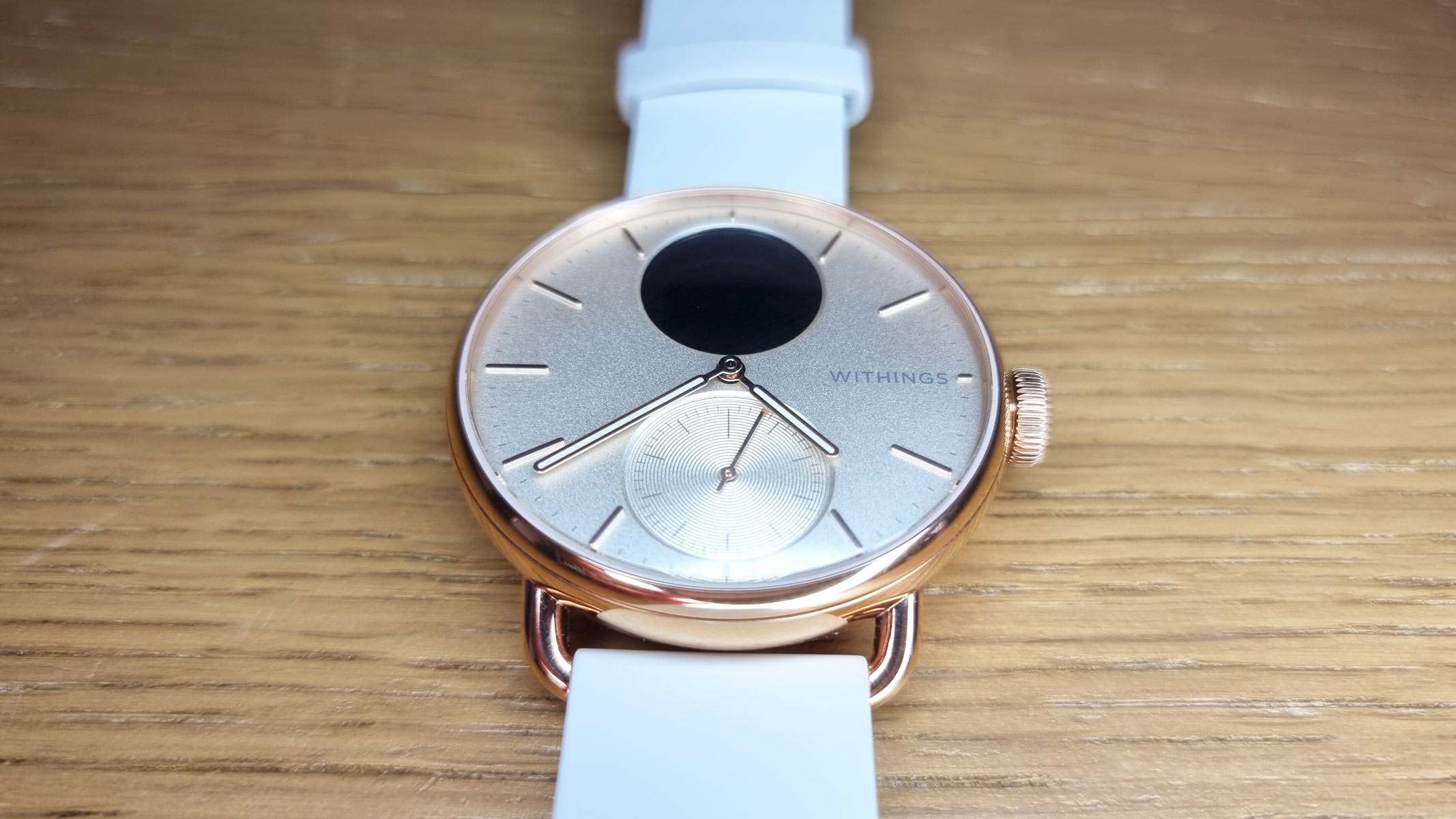
The Withings ScanWatch 2 is an excellent alternative to flashy, rugged smartwatches.
(Image credit: Anna Gora)
The Withings ScanWatch 2 is a beautifully crafted hybrid smartwatch that outperforms its competitors with advanced health insights and long battery life. While it is not well-suited for workout tracking and its app can be tricky to navigate, it is still an excellent alternative to flashy, rugged smartwatches.
✅ Buy it if: You want an ultra-stylish hybrid smartwatch that offers detailed insights into your sleep, stress and heart health.
❌ Do not buy it if: You are looking for an advanced workout tracker or need something with a bigger, more colorful screen.
Withings ScanWatch 2: Related products
It is tricky to find a wearable that closely matches the looks and functionality of the Withings ScanWatch 2. Something has to give, even when it comes to other hybrid smartwatches. For example, most models from TAG, Montblanc, Tissot and other leading brands are as stylish and durable, but they tend to lack advanced health-tracking features or a similarly versatile app ecosystem. Not to mention, they are often three to four times as expensive.
If timeless style and health metrics are your top priorities, consider one of the best smart rings instead. The Oura Ring Gen 4, for example, offers excellent sleep and stress tracking features, extensive customization and long battery life. Plus, it costs roughly the same as the Withings ScanWatch 2.
If you are more interested in fitness tracking, you may be better off investing in a relatively discreet screenless wearable, such as the Whoop MG, or one of the less bulky and “masculine” Garmin watches — the Garmin Vivomove Sport or Garmin Vivoactive 6, for example.
Withings ScanWatch 2: How we tested
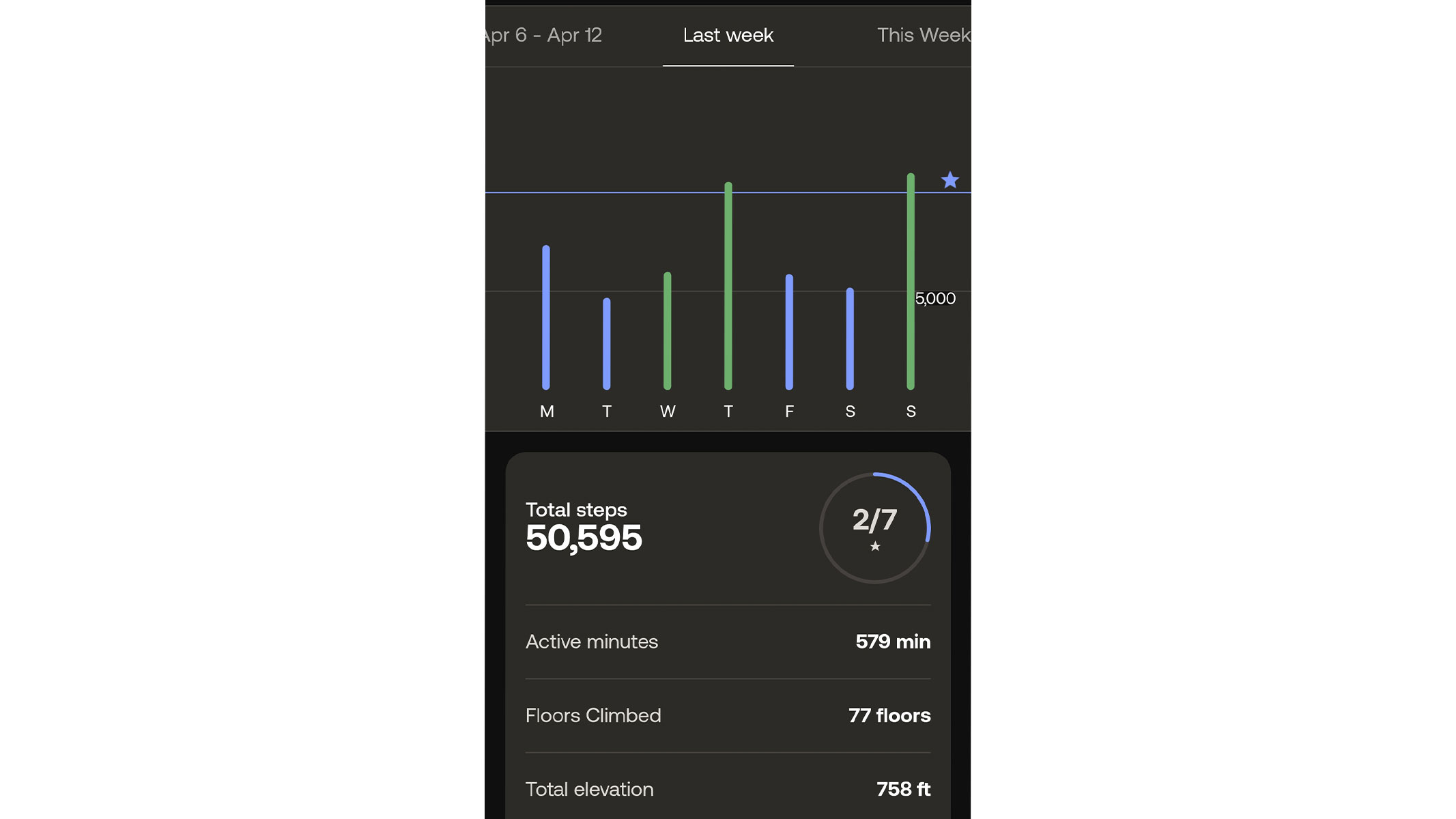
We spent nearly two months testing the Withings ScanWatch 2.
(Image credit: Anna Gora)
We spent nearly two months testing the Withings ScanWatch 2, looking into its design, features, day-to-day performance and ease of use. We wore this smartwatch during the day, while sleeping and when doing a range of activities, from hiking outdoors to gym-based circuit classes.
Then, we compared the sleep, steps and heart rate measurements taken by the Withings ScanWatch 2 with the data we obtained using a Polar H9 chest-strap heart rate monitor, a Whoop MG screenless fitness tracker and an Oura Ring Gen 4 smart ring. Lastly, we gave our verdict on its overall functionality and value for money.







 English (US) ·