.png)
.png) 2 hours ago
20
2 hours ago
20
3 min readMumbaiFeb 18, 2026 07:57 PM IST
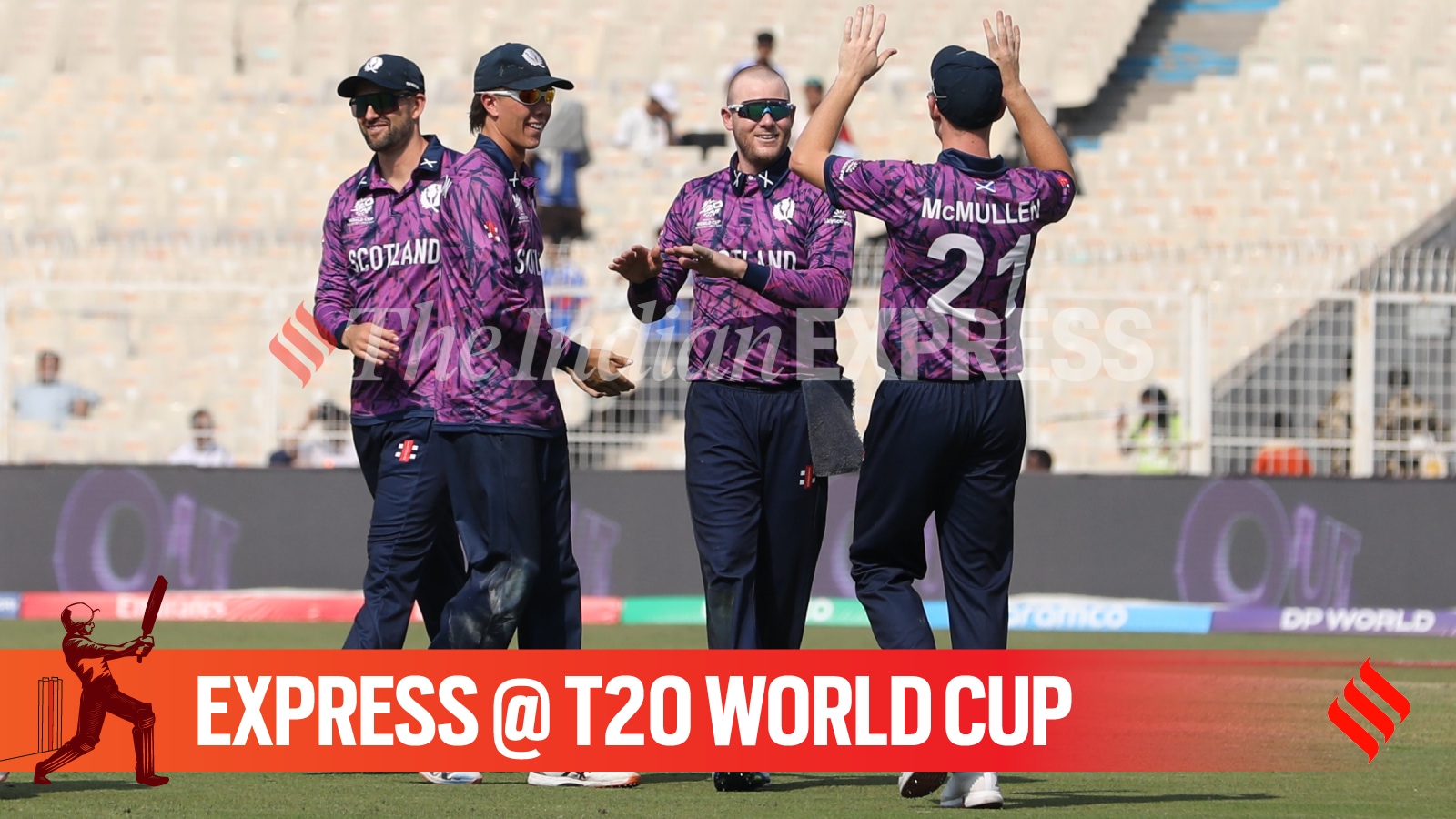 Scotland players celebrate after taking a wicket against Italy at the Eden Gardens in Kolkata. (Express Photo | Partha Paul)
When the call came at 7 a.m. on Saturday, January 24, 2026, Trudy Lindblade barely had time to process it. The ICC had confirmed that Scotland would replace Bangladesh at the 2026 T20 World Cup after failing to find an amicable solution to the issue over the team playing its matches in India. Excitement lasted only moments before urgency took over. “It was pure excitement,” Lindblade, the Scotland Cricket CEO told reporters on Tuesday. “And then you just switch into how do we get a team there in seven-day mode.”
What followed was a logistical scramble few teams have ever experienced before a global tournament.“We had only seven days of preparation, seven days to get the team here and less days of preparation,” she said. “The seven days before that we were training indoors at our training centre and the team were meant to be doing fitness tests the day after.”
Instead, Scotland were suddenly packing to go to cricket’s heartland to compete on the sport’s biggest T20 stage. “It was 24 hours a day, seven days a week for seven days,” Lindblade said. “We were straight on the phone. I had my head of performance in Nepal. My cricket operations manager was with our women’s team in Nepal. Our head of comms – we were just on a WhatsApp group chat and we went.”
The challenge was immense. Indoor training sessions were replaced by international flights. Routine fitness testing gave way to finalising squads, visas and logistics. Preparation time shrank once they arrived. Yet, Lindblade refuses to frame it as misfortune.
“We are incredibly grateful. We had just seven days to prepare and shift from indoor training to playing a World Cup in India. It was a huge adjustment. But we treated it as an opportunity rather than a disruption. Off the field too, we secured Skyscanner as our lead arm sponsor in less than seven days – something we had been discussing for nine months. It showed what Scotland can do when given a platform like this.”
That perspective – opportunity over adversity – shaped Scotland’s approach throughout the tournament. “I wouldn’t say it’s unfair,” she said when asked about the sporting disadvantage. “I would take it as an opportunity. Yes, we didn’t have the same preparation as everybody else. Yes, we had to do a lot of things. But that took the pressure off us.”
Freed from expectation, Scotland embraced the occasion. Crowds in Kolkata and Mumbai welcomed them warmly. On the field, they competed with resilience and intensity. “I’m just proud,” she said. “I’m really proud of our team. And I’m really proud of the team behind the team because I think we have really showed what Scotland can do.”
Story continues below this ad
Seven frantic days separated indoor training from the global stage. Preparation was minimal. The turnaround relentless. But Scotland arrived, competed and left having demonstrated resilience and belief.

Based in Mumbai, Shankar Narayan has over five years of experience and his reporting has ranged from the Ranji Trophy to ICC World Cups, and he writes extensively on women’s cricket. ... Read More
Stay updated with the latest sports news across Cricket, Football, Chess, and more. Catch all the action with real-time live cricket score updates and in-depth coverage of ongoing matches.
© The Indian Express Pvt Ltd




 English (US) ·