.png)
 20 hours ago
23
20 hours ago
23

No stock data available
For decades, urban India treated travel as an escape hatch something planned months in advance, squeezed between leave approvals and packed itineraries, and justified as a once-in-a-while reward. That idea is quietly falling apart. In its place is a new rhythm of leisure, shaped not by distance travelled but by time reclaimed. Welcome to the age of the two-hour holiday, where urban Indians are redefining what it means to get away without ever leaving the city.
India’s experience economy is no longer orbiting around annual vacations or long weekends. Instead, it is threading itself into everyday urban life. From pottery studios tucked into residential neighbourhoods to midweek trail rides and evening coffee-brewing workshops, experiences are becoming deliberate pauses within routine rather than breaks from it. For a generation juggling burnout, hybrid work and shrinking attention spans, the luxury is no longer time off; it is time well spent.

From Long Vacations to Two-Hour Holidays: Inside India’s Urban Leisure Shift
When Travel Becomes a Feeling, Not a Journey
What makes this moment particularly significant is the shift in intent. Urban leisure is no longer about ticking destinations off a list. It is about how people want to feel at the end of a day or week calmer, more curious, more connected. Experiences that deliver these emotional outcomes are replacing malls, movies and even short trips as default ways of going out.
This behavioural shift marks a departure from the travel-led leisure economy India has known. Experiences are no longer episodic indulgences reserved for holidays. They are becoming habits, woven into weekday evenings and spontaneous weekend plans. The city itself is being rediscovered as a playground, not just a place to work and sleep.
Designing Leisure for Time-Starved Cities
Apps focused on experiences are increasingly shaping how urban Indians plan short breaks from routine, making it easier to discover and organise hands-on activities without the effort of traditional travel planning. Instead of waiting for long holidays, many people now turn to these platforms to fit a pottery session, a trail ride, or a wellness class into an ordinary weekend or evening. Alive is one such app operating across major cities including Bengaluru, Goa, Hyderabad, Chennai, Mumbai and Delhi, reflecting how experiences are being designed to work around busy urban schedules rather than disrupt them.
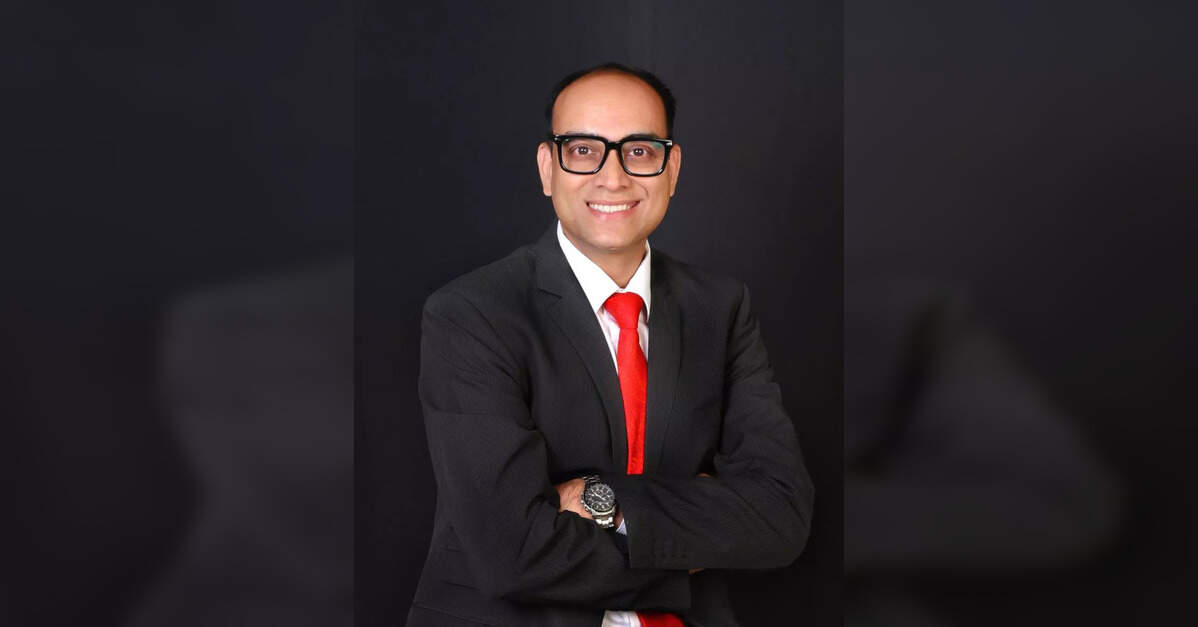
“What’s different now is intent and frequency,” says Vivek Kumar, founder of Alive. “Experiences in India were earlier treated as occasional indulgences, something you did while travelling or on special occasions. Today, urban Indians are consciously weaving experiences into everyday life. This shift is driven by time scarcity, burnout, and a desire for meaning over material accumulation.”
That desire for emotional relevance over ownership is at the heart of India’s evolving experience economy. People are no longer asking what is available; they are asking what they need right now. A midweek reset. A creative outlet. A physical release after hours of screen time. Leisure is becoming participatory, intentional and deeply personal.
Urban India’s New Getaway: Why Two-Hour Holidays Are Replacing Long Trips
From Listings to Lived Experiences
Platforms responding to this shift are moving beyond simple discovery. Instead of aggregating listings, these platforms design and build experiences from the ground up, working closely with creators, artists and facilitators to ensure consistency, immersion and repeatability.
This approach allows experiences to function less like one-off events and more like lifestyle products. From wellness and movement to creative learning, food, culture and adventure, each experience is time-bound, hands-on and designed to fit urban schedules often within two to three hours.
The Rise of the Two-Hour Holiday
One of the clearest indicators of this shift comes from recent consumer behaviour. According to insights from the Alive Experience Economy Report 2025, three things stood out clearly. First, the rise of the ‘two-hour holiday’ short, in-city experiences replacing long, travel-heavy plans. Second, a shrinking decision window. People are booking closer to the experience date, driven by impulse and availability rather than long planning cycles. Third, experiences are replacing malls and movies as the default way of going out. Leisure is becoming participatory rather than passive.
Leisure Moves Into the Week
Perhaps the most telling change is happening midweek. With hybrid work models and long commutes blurring the boundaries between workdays and weekends, experiences are spilling into weekday evenings. Structured, local activities that start and end on time are thriving, offering a sense of reset without demanding a full day off.
These experiences are not about novelty alone. Repeat participation suggests something deeper: experiences are becoming rituals. Urban consumers are returning not just for something new, but for something meaningful.
Empowering Creators, Not Just Consumers
Another quiet shift is unfolding behind the scenes. Many creators and facilitators do not want to become full-time entrepreneurs. They want to teach, host and create. By handling design, demand generation and customer experience, experience platforms are allowing creators to focus on their craft while building sustainable, recurring income streams.
This creator-first ecosystem is strengthening the quality and consistency of urban experiences, making them reliable enough to become part of weekly routines rather than occasional treats.
A Lifestyle Layer, not a Travel Trend
Looking ahead, the experience economy in India appears poised to evolve not as an extension of travel, but as a standalone lifestyle layer. Much like food delivery or fitness apps, experiences are becoming seamlessly integrated into daily life shaping how people invest in well-being, learning and social connection.
As cities grow denser and time grows scarcer, the way people choose to spend a few free hours is beginning to matter as much as how they plan entire holidays. Urban travel, in its new form, is no longer about escaping routine. It is about redesigning it two hours at a time.




 English (US) ·