.png)
 1 hour ago
15
1 hour ago
15
4 min readSrinagarFeb 16, 2026 06:15 AM IST
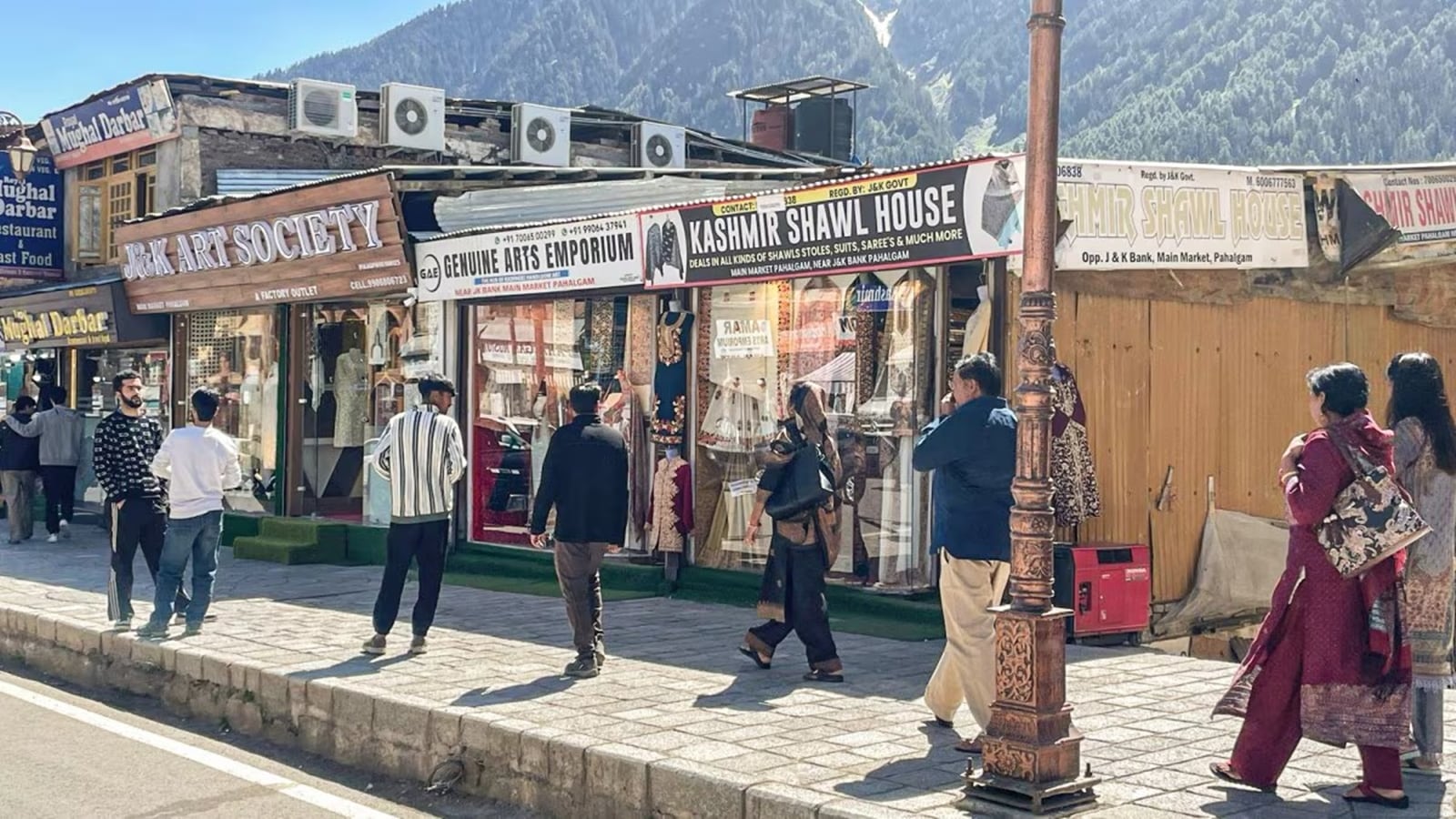 While 10,16,309 certificates in all have been issued in the Jammu region under different reservation categories, the number for Kashmir stands at 1,64,960.
The J&K government’s response to a cut motion by People’s Conference leader Sajad Lone in the Assembly reveals a huge difference in the number of reserved category certificates issued between the two provinces of the UT.
Out of the total 11,81,269 reserved category certificates issued in the UT, less than 14% have gone to residents of Kashmir, as per the reply submitted last week. The Valley accounts for 56.15% of the UT’s total population as per the 2011 Census.
While 10,16,309 certificates in all have been issued in the Jammu region under different reservation categories, the number for Kashmir stands at 1,64,960.
The gap in the figures between Jammu and Kashmir regions could escalate the row over reservations in the UT. Facing protests over the issue, the Omar Abdullah government had earlier recommended a change in the new reservation matrix, which was introduced in 2024, when J&K was under President’s Rule.
However, the government file, based on the recommendation of a Cabinet sub-committee that the overall quota be brought down to 50% – from the 60% figure it touches now – is pending with Lt Governor Manoj Sinha.
Rajouri and Poonch districts falling in Jammu account for most of the UT’s Scheduled Tribes, including Gujjars and Paharis, so the fact that nearly all the certificates issued under the ST 1 and ST 2 categories belong to the region is understandable. Under these two categories, 6,93,781 of the total 7,49,963 (or nearly 93%) certificates issued have been in Jammu region, with 56,182 certificates issued in the Valley.
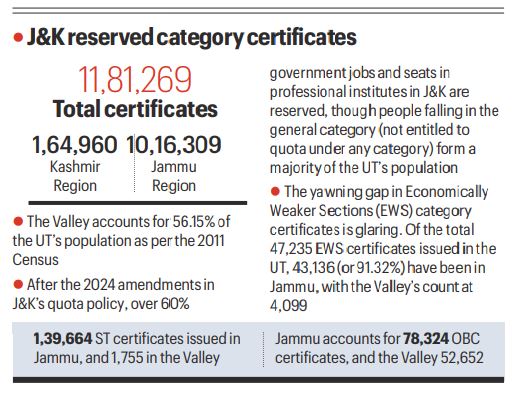
However, it is the yawning gap with Kashmir in EWS category certificates that is glaring. Of the total 47,235 EWS certificates issued in the UT, 43,136 (or 91.32%) have been in Jammu, with the Valley’s count at 4,099. When it comes to the SC category, 1,39,664 certificates have been issued in Jammu, and 1,755 in the Valley.
Story continues below this ad
Jammu also accounts for the bulk of the certificates issued under reservation categories covering residents of areas along the Actual Line of Control (ALC) and International Border (IB), as well as for OBCs. While 6,732 ALC certificates have been issued in Jammu, 460 have been issued in the Valley, despite the fact that the length of the ALC falling in Jammu region is only marginally more (394 km against 350 km in the Valley). Since Kashmir doesn’t have an IB, all the 3,690 certificates have gone to Jammu residents .
In the OBC category, the gap is comparatively narrower, with Jammu accounting for 78,324 certificates, and the Valley, 52,652. And in certificates issued to Residents of Backward Areas (RBAs), the two provinces are almost neck-and-check: Jammu’s 50,982 certificates, to Kashmir’s 49,866.
Before the 2024 amendments quota policy, 43% of seats were reserved for different categories. In March 2024, soon after Parliament brought in more groups under STs in J&K, the ST-reserved seats/jobs were raised from 10% of the total to 20%, while OBC quota was also increased with 15 new groups added.
Now, over 60% government jobs and seats in professional institutes in J&K are reserved, though people falling in the general category (not entitled to quota) form a majority of the UT’s population.
Story continues below this ad
PDP’s Waheed Para’s cut motion seeking the suspension of the new reservation policy. However, it didn’t get support from either the National Conference or the BJP.
“The new reservation policy is meant to remove Kashmiri-speaking people from the administration,” Para told The Indian Express.
The BJP refused to comment on the matter.

Bashaarat Masood is a Special Correspondent with The Indian Express. He has been covering Jammu and Kashmir, especially the conflict-ridden Kashmir valley, for two decades. Bashaarat joined The Indian Express after completing his Masters in Mass Communication and Journalism from the University in Kashmir. He has been writing on politics, conflict and development. Bashaarat was awarded with the Ramnath Goenka Excellence in Journalism Awards in 2012 for his stories on the Pathribal fake encounter. Expertise and Experience Two Decades of Frontline Reporting: Bashaarat has spent 20 years documenting the evolution of Kashmir, from high-intensity conflict and political shifts to socio-economic development. Award-Winning Investigative Journalism: He is a recipient of the prestigious Ramnath Goenka Excellence in Journalism Award (2012). This honor was bestowed for his reporting on the Pathribal fake encounter, a series of stories that highlighted his ability to handle sensitive human rights and security issues with investigative rigor. Specialized Beats: His authoritative coverage spans: Political Transitions: Tracking the shift from statehood to Union Territory, electoral dynamics, and the pulse of local governance. Security & Conflict: Providing nuanced reporting on counter-insurgency, civil liberties, and the impact of the conflict on the civilian population. Development: Documenting the infrastructure, healthcare, and educational landscape within the Valley. Academic Background: He holds a Masters in Mass Communication and Journalism from the University of Kashmir, providing him with a localized academic and professional foundation that is rare in regional reporting. ... Read More
Stay updated with the latest - Click here to follow us on Instagram
© The Indian Express Pvt Ltd







 English (US) ·