.png)
 1 hour ago
12
1 hour ago
12
Last Updated:May 15, 2026, 07:50 IST
Energy security is expected to be a key focus of the talks, particularly discussions around long-term crude and LNG agreements.


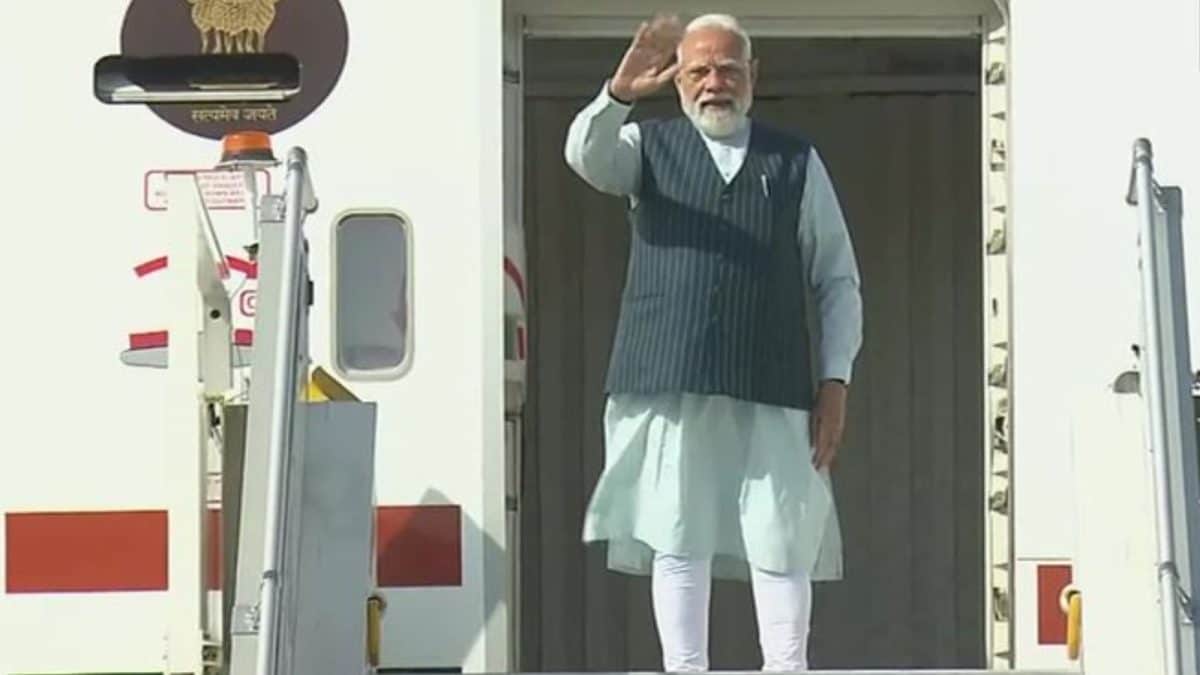
PM Narendra Modi (File photo/PTI)
Prime Minister Narendra Modi flies to the United Arab Emirates on May 15 amid growing concerns over global fuel security. The ongoing US-Israel war on Iran has triggered uncertainty across West Asia shipping routes, pushing up insurance costs and unsettling freight movement and oil markets. Follow LIVE Updates
The Strait of Hormuz, considered the world’s most crucial oil transit corridor, remains under close watch, with any disruption likely to have a direct impact on fuel prices, inflation and India’s current account balance, as the country imports more than 85 per cent of its crude oil requirements.
Against this backdrop, PM Modi is scheduled to meet UAE President Sheikh Mohamed bin Zayed Al Nahyan in Abu Dhabi. Energy security is expected to be a key focus of the talks, particularly discussions around long-term crude and LNG agreements, along with expanding India’s strategic petroleum reserves with support from the UAE.
What To Expect After The Meeting
The talks are expected to result in key announcements or indications related to long-term crude oil and LNG supply arrangements. Discussions may also focus on expanding India’s strategic petroleum reserves with participation from the UAE.
Progress under the Comprehensive Economic Partnership Agreement (CEPA), particularly in logistics and infrastructure, is likely to be reviewed, along with efforts to strengthen defence and maritime security cooperation. Fresh investment commitments from the UAE into India are also expected to be on the agenda.
What India Is Likely To Seek
India currently operates three strategic petroleum reserve facilities with a combined capacity of 5.33 million metric tonnes (MMT), while two additional sites with a planned capacity of 6.5 MMT are in the pipeline. A portion of the existing reserves is already leased to the Abu Dhabi National Oil Company (ADNOC), and discussions during the visit could explore expanding this arrangement further.
India is expected to seek firm long-term crude supply commitments, higher LNG supplies to strengthen cooking gas security, and greater UAE involvement in expanding the country’s oil storage infrastructure. Flexible supply mechanisms in the event of disruptions to key shipping routes are also likely to be discussed.
The UAE’s recent exit from OPEC is seen as giving it greater flexibility to increase production, positioning it as a dependable supplier at a time of global uncertainty. Earlier this year, India signed a $3-billion LNG agreement with the UAE, and the current visit is expected to build on that momentum.
India and the UAE signed the Comprehensive Economic Partnership Agreement (CEPA) in 2022, leading to a sharp rise in bilateral trade. The UAE is now India’s third-largest trading partner, with both sides targeting trade worth $200 billion in the coming years.
The two countries are also expected to review the progress of CEPA and explore cooperation in sectors such as infrastructure investment, clean energy, logistics, food supply chains, defence and cybersecurity.
The partnership is increasingly evolving beyond a traditional oil trade relationship into a broader energy and investment corridor.
Handpicked stories, in your inbox
A newsletter with the best of our journalism
News world Can PM Modi’s UAE Visit Strengthen India’s Energy Security? What To Expect
Disclaimer: Comments reflect users’ views, not News18’s. Please keep discussions respectful and constructive. Abusive, defamatory, or illegal comments will be removed. News18 may disable any comment at its discretion. By posting, you agree to our Terms of Use and Privacy Policy.
Read More





 English (US) ·