.png)
 46 minutes ago
14
46 minutes ago
14
Last Updated:May 14, 2026, 16:47 IST
The move follows a nationwide appeal by PM Modi to conserve fuel and protect India's foreign exchange reserves amid a naval blockade in the Strait of Hormuz


While the current mandates primarily target government offices, the Prime Minister’s advisory specifically mentions both government and private sectors. Representational image
In a swift response to the escalating energy crisis triggered by the West Asia conflict, Delhi has become the first major metropolitan hub to formalise a remote work policy. On Thursday, the Delhi government announced a mandatory “work from home" (WFH) protocol for its employees two days a week. This move follows a nationwide appeal by Prime Minister Narendra Modi, who urged citizens and administrations to revive pandemic-era work habits to conserve fuel and protect India’s foreign exchange reserves amid a naval blockade in the Strait of Hormuz.
What are the specific measures in Delhi?
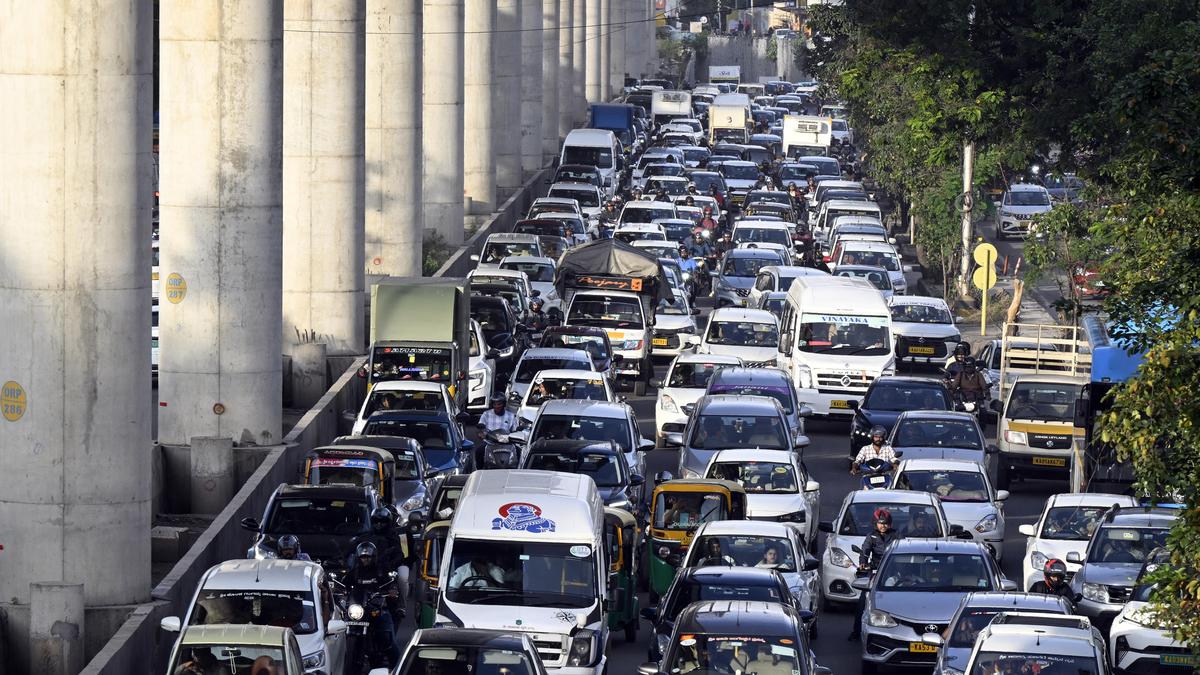
Chief Minister Rekha Gupta confirmed that all Delhi government offices will implement a two-day WFH schedule effective immediately. To further slash petroleum consumption, the administration has directed that 50% of all official meetings be conducted virtually. Beyond remote work, the city is enforcing a 20% cut in fuel limits for official vehicles and has placed a six-month moratorium on new vehicle purchases. Additionally, 58 special buses have been deployed across 29 government colonies to encourage public transport use over private cars.
Which other states have joined the initiative?
Delhi is not alone in its cost-cutting drive. Tripura has already issued a memorandum mandating a 50% WFH rule for Group C and D employees on a rotational basis. In Uttar Pradesh, Chief Minister Yogi Adityanath has echoed the Prime Minister’s call, urging both public and private sectors to adopt a twice-a-week WFH model to mitigate the impact of soaring fuel prices. With the Centre actively encouraging all state governments to “lead by example," many more are expected to roll out similar guidelines by the end of the week.
Why has the Prime Minister made this appeal now?
The Prime Minister’s “save fuel" appeal is a strategic response to the ongoing Iran-US war, which has choked the world’s most vital energy corridor. With fuel prices spiking and supply chains disrupted, the Prime Minister has framed WFH as a matter of “national interest". The goal is to reduce the country’s massive import bill while maintaining economic productivity. The appeal also includes broader cost-cutting measures, such as a one-year voluntary ban on non-essential gold purchases and a reduction in edible oil consumption to ease the burden on India’s trade deficit.
Will the private sector follow the government’s lead?
While the current mandates primarily target government offices, the Prime Minister’s advisory specifically mentions both government and private sectors. Major IT hubs in Bengaluru, Hyderabad, and Pune are already “taking stock" of their operational flexibility. Industry bodies suggest that while essential services will remain on-site, a significant shift towarsd hybrid models is likely as companies look to offset the rising costs of logistical operations and employee transport in a high-fuel-price environment.
Handpicked stories, in your inbox
A newsletter with the best of our journalism
News india New Work Order: Delhi Govt Goes WFH Twice A Week To Save Fuel; Will Other States, Pvt Sector Follow?
Disclaimer: Comments reflect users’ views, not News18’s. Please keep discussions respectful and constructive. Abusive, defamatory, or illegal comments will be removed. News18 may disable any comment at its discretion. By posting, you agree to our Terms of Use and Privacy Policy.
Read More





 English (US) ·