.png)
 1 hour ago
13
1 hour ago
13
Last Updated:May 15, 2026, 07:36 IST
Diesel, in particular, powers India’s transport backbone — trucks, buses, agricultural machinery, generators and logistics networks.


Vegetables, fruits, grains and dairy products are moved across states largely by diesel-run trucks and will be impacted by fuel price hike. (PTI)
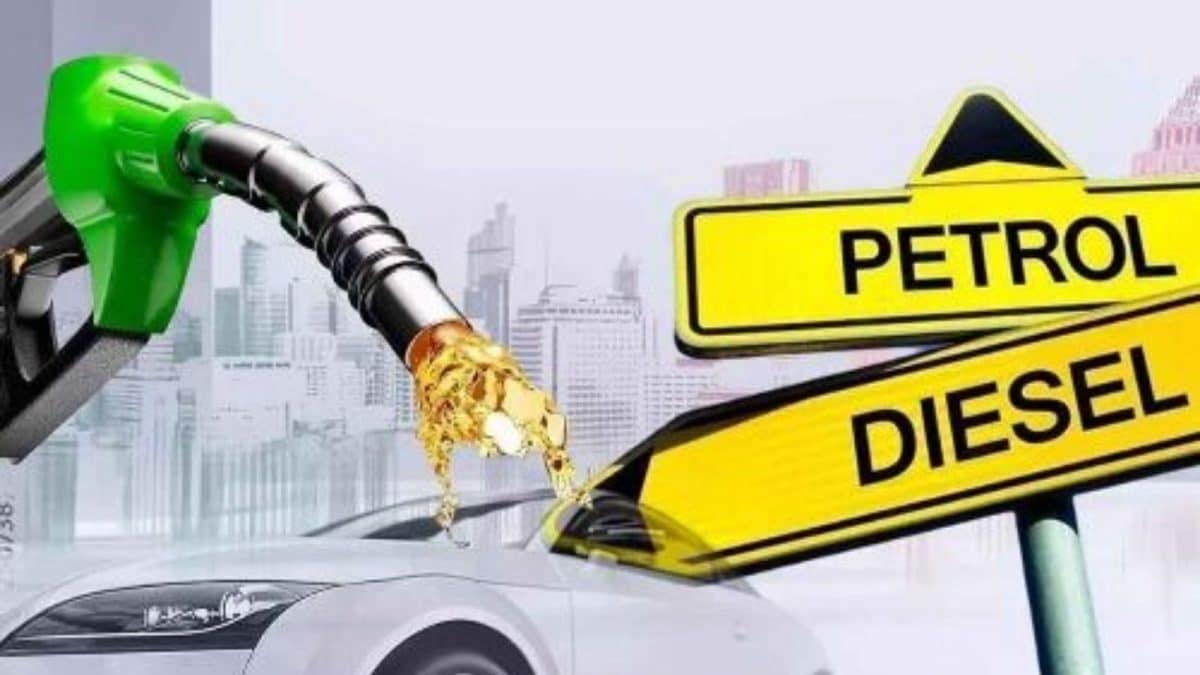
Petrol and diesel prices in India have gone up by Rs 3.08 per litre, pushing petrol in Delhi close to the Rs 98 mark and diesel above Rs 90. The increase, which came into effect immediately on Friday, ends weeks of speculation over whether India would eventually be forced to pass on rising global oil costs to consumers.
But even as the hike has triggered concern among consumers, economists and industry watchers point out that the increase is still far smaller than what many had feared. With the Strait of Hormuz crisis severely disrupting global oil supplies and Brent crude prices remaining volatile, there were widespread predictions that India could see double-digit increases in fuel prices. Instead, the government and oil marketing companies appear to have opted for a calibrated increase aimed at avoiding an immediate inflation shock.
The immediate question now is not just about fuel bills at petrol pumps. The bigger concern is what becomes costlier across the economy when transport fuel prices rise — because diesel and petrol influence nearly every supply chain in the country.
Why Even A Small Fuel Hike Matters
A Rs 3 hike may not look dramatic at first glance, especially after weeks of warnings about a much bigger jump. But fuel prices have a cascading effect.
Diesel, in particular, powers India’s transport backbone — trucks, buses, agricultural machinery, generators and logistics networks. Once diesel prices rise, transport costs begin increasing gradually across sectors. Petrol affects daily commuters more directly, but diesel impacts the prices of goods and services people consume every day.
This is why governments are often cautious about fuel price revisions. A sharp increase can quickly spill into food inflation, higher freight charges and rising service costs.
Vegetables, Fruits And Daily Essentials Could Cost More
One of the first sectors likely to feel the impact is food transportation.
Vegetables, fruits, grains and dairy products are moved across states largely by diesel-run trucks. Transporters usually do not immediately revise freight rates after a small fuel increase, but sustained higher diesel prices often force them to pass on costs over time.
That means essentials such as tomatoes, onions, milk, packaged foods and edible oils could gradually become more expensive in local markets over the coming weeks.
The impact may be even sharper for perishables because refrigeration, cold-chain transport and faster delivery systems all depend heavily on fuel.
Flight Tickets May Become More Expensive
Airlines too could come under pressure.
Globally, jet fuel prices have surged amid disruptions linked to the Strait of Hormuz crisis and the wider West Asia conflict. Analysts say refined fuel products like aviation turbine fuel, diesel and petrol are now seeing sharper stress than crude oil itself.
In India, airlines may initially try to absorb part of the increase to avoid hurting travel demand, but if global energy prices remain elevated, airfares — especially on busy domestic routes — could start climbing again.
This becomes particularly important during holiday seasons and festival travel periods, when demand is already high.
Delivery Charges And Cab Fares Could Rise
Consumers may also notice an increase in app-based delivery charges and transport fares.
Food delivery companies, e-commerce platforms and ride-hailing services operate on thin margins where fuel costs play a major role. Even if base fares are not revised immediately, surge pricing, platform fees and delivery charges may gradually increase.
The prices of CNG have also gone up by Rs 2 per kg in Delhi. Auto-rickshaw unions and taxi operators in several cities have historically demanded fare revisions whenever fuel prices remain elevated for a sustained period.
Farming Costs Could Also Go Up
The rural economy is especially sensitive to diesel prices.
Farmers use diesel for tractors, irrigation pumps and transporting produce to mandis. Higher fuel costs can increase cultivation expenses, particularly during sowing and harvesting seasons.
If fuel prices remain high for a prolonged period, the impact can eventually feed into food prices as well.
For now, the Rs 3.08 hike may look manageable compared to worst-case predictions. But its real impact will likely unfold slowly – through transport costs, food prices, logistics bills and everyday services that quietly depend on fuel to keep moving.
Handpicked stories, in your inbox
A newsletter with the best of our journalism
News india Petrol, Diesel Prices Hiked: From Vegetables To Edible Oil, Things That Could Get Costlier Now
Disclaimer: Comments reflect users’ views, not News18’s. Please keep discussions respectful and constructive. Abusive, defamatory, or illegal comments will be removed. News18 may disable any comment at its discretion. By posting, you agree to our Terms of Use and Privacy Policy.
Read More






 English (US) ·